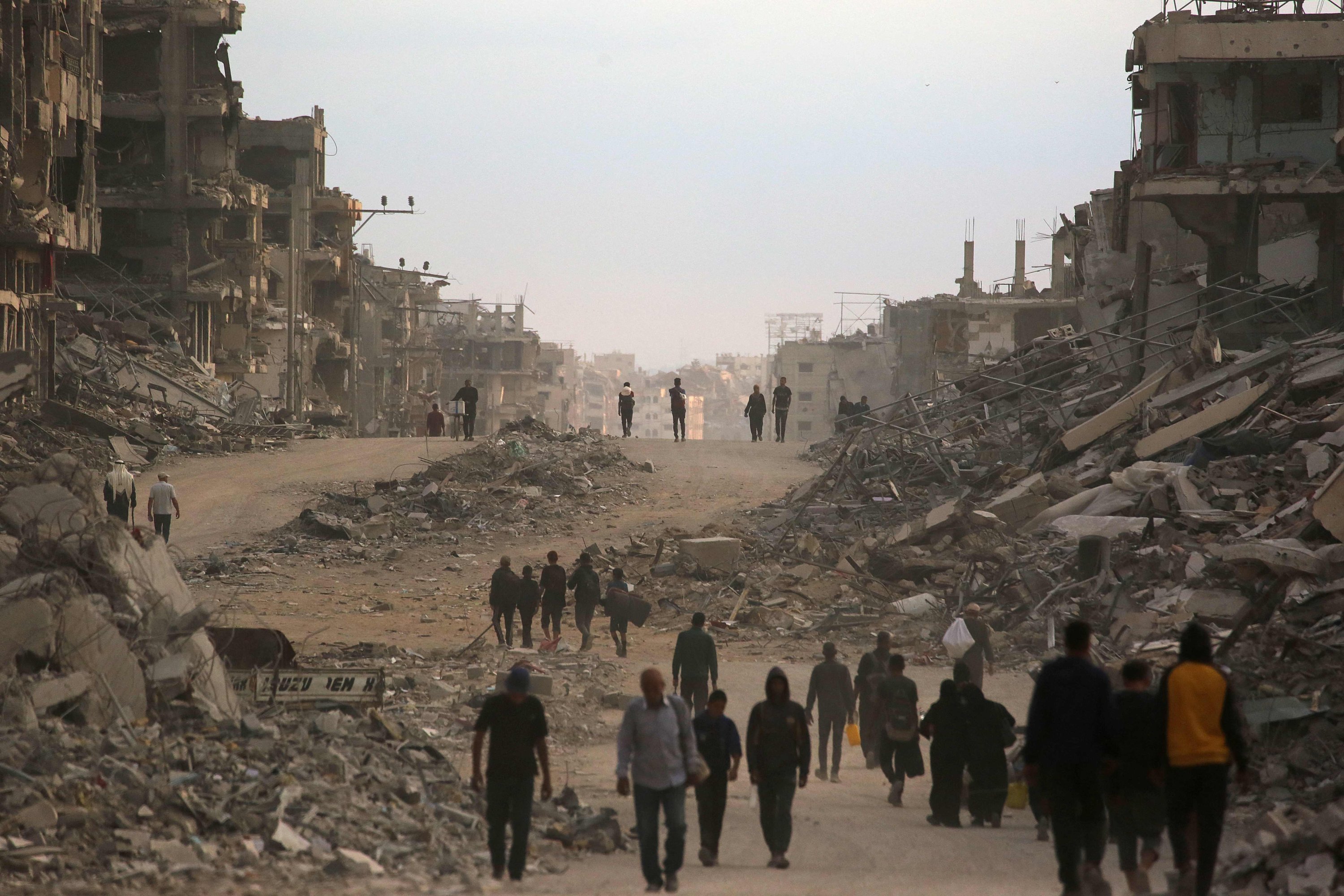
Every Israeli cease-fire masks ongoing military maneuvers, leaving 2 million Gazans struggling for basic survival.
Israel has consistently used every cease-fire as an opportunity to reorganize its operations. In other words, a cease-fire isn’t an act of peace, but rather a pause for military preparation. Israeli forces reposition themselves on the ground, update their target lists and once international pressure eases, strike again under the pretext of self-defense.
This isn’t merely a military strategy; it is narrative engineering. Every cease-fire is also used as a communication tool to regain legitimacy on the world stage. While images convey a calm front, a veil of humanitarian concern is displayed in diplomatic arenas. This allows Israel not only to buy time but also to prepare new attacks under the guise of international understanding. Every moment of silence in Gaza is, in reality, a rehearsal for the next storm.
Hours before and after the cease-fire was declared, Israel attacked innocent civilians in Gaza, leaving no other explanation. Expecting a killer state, which seizes every second, to honor such an agreement is hardly reassuring.
A genuine humanitarian cease-fire is more than a temporary silence of weapons. It is about creating conditions that allow people to live again. Yet today, nearly two million people still face limited access to food, medicine, shelter and clean water, with United Nations agencies issuing alarms over famine and a health catastrophe.
The scale of hunger has become so severe that international organizations are forced to call for urgent and unrestricted access. As long as these conditions persist, the idea of a "permanent cease-fire" remains nothing more than an ethical slogan.
This is not the first report or opinion we journalists have written on this matter. We often express our outrage, but policymakers must understand that our anger isn’t directed at Israel alone. Responsibility extends beyond abstract condemnation to formulating concrete demands.
Around the world, people take to the streets shouting for justice while diplomacy engages in time-buying games. International law is increasingly interpreted according to the interests of the powerful. Every headline about "emergency aid" for Gaza becomes a negotiation over conscience in the global media. If the world truly seeks a lasting solution, it must question not the conditions of aid but the political order that makes such conditions necessary.
Ensuring border security, opening air access for humanitarian aid, deploying rapid and independent humanitarian monitoring mechanisms, swiftly repairing health infrastructure under international guarantees, and transparently and accountably allocating international funds for debris removal and permanent housing are the basic humanitarian measures necessary for Palestinians to live their lives.
A cease-fire doesn’t end war; it often merely changes its direction. Israel has long mastered the psychological power of the word. When a cease-fire is announced, the world relaxes, news bulletins change tone, and public attention shifts. Meanwhile, preparations for a new bombardment over Gaza are underway.
Today, anyone trying to bring a piece of bread to a starving population is labeled a "terror supporter." Diplomacy has become the most refined hypocrisy of our time. No one can trust the pursuit of justice by superpowers, for there is no place for conscience on the map of interests.
Washington and Brussels issue calls for peace to soothe public opinion while continuing military support to Israel behind the scenes. This cease-fire is a conscience-relieving operation rather than a genuine diplomatic commitment.
Israel still occupies more than half of the Gaza Strip. According to Article 4 of the cease-fire agreement, Hamas will not return to areas vacated by Israeli forces if it fulfills its part of the deal. Yet whether this strategy belongs to Netanyahu's calculus or stems from Trump-era policies remains unclear.
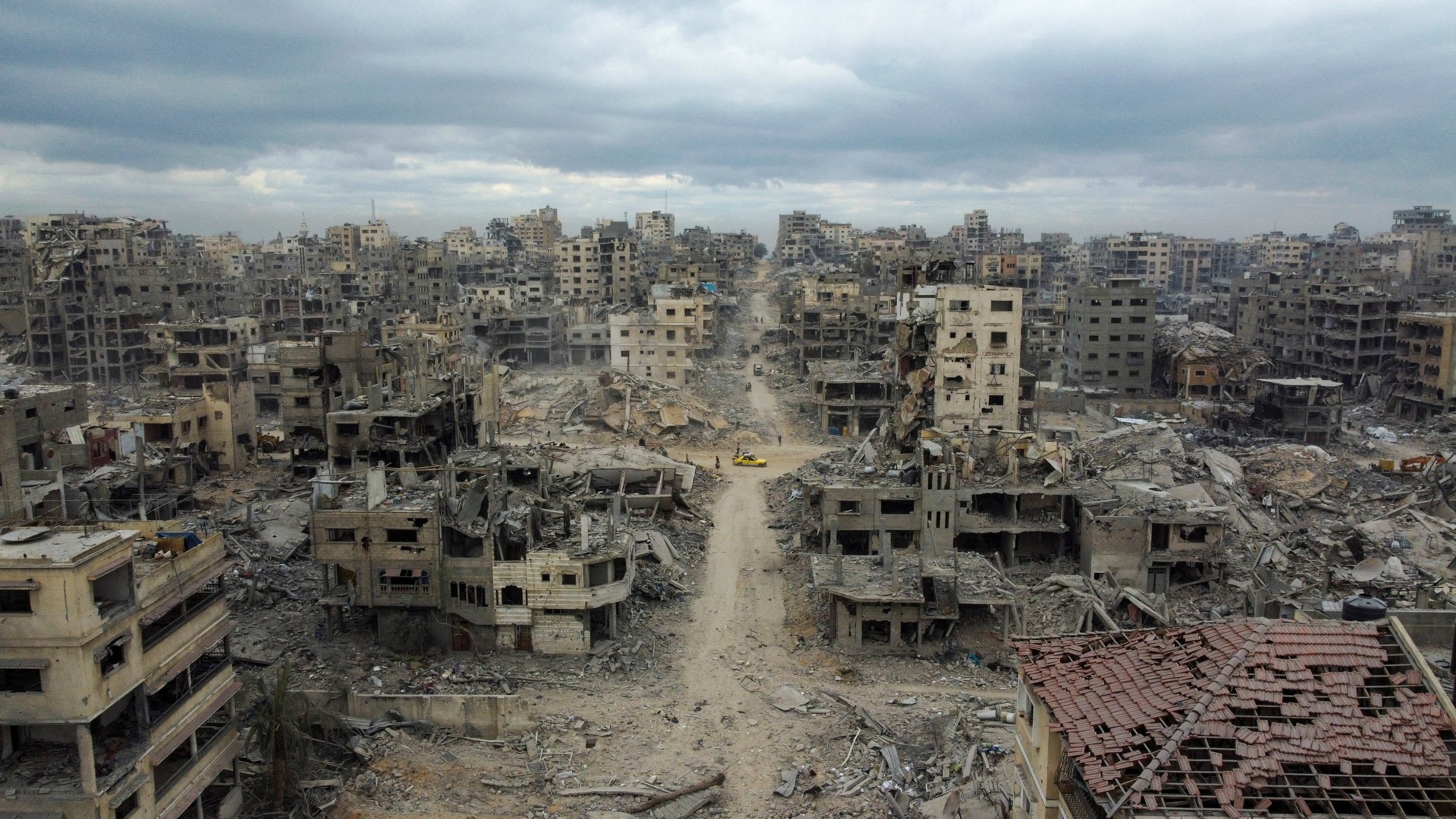
More than a million homes have been destroyed, the health system has collapsed and children are starving. Without reconstruction, without humanitarian access, without a functioning health system, the notion of a "permanent cease-fire" is an empty shell. Israel still controls the borders and the airspace.
We must remember that people do not die only in the heat of battle. Post-war famine, disease and destruction will continue to kill for years. Over a million displaced individuals, thousands of malnourished children – these are not merely statistics; they signify the annihilation of a generation. If the world truly stands for humanity, it must transform the rhetoric of cease-fires into action.
Hours after the cease-fire took effect, thousands of Palestinians started to return to the northern towns they once called home. Yet calling what they find "home" is nearly impossible. Most areas are rubble, and the streets are unrecognizable. U.N. data shows over 2 million people remain without shelter. Families in camps gaze at the ruins of homes where nothing remains.
A father returns holding a single teapot amidst the debris. "I was born here," he says. "Now there are only stones."
Peace doesn’t start with a press release. Peace begins on the day a people can breathe freely again, when children can attend school and the sky is no longer a target. Until that day, every "cease-fire" is only a respite and every "call for peace" is merely a propaganda tool. Peace is not given; it is built, it is breathed, it is alive.