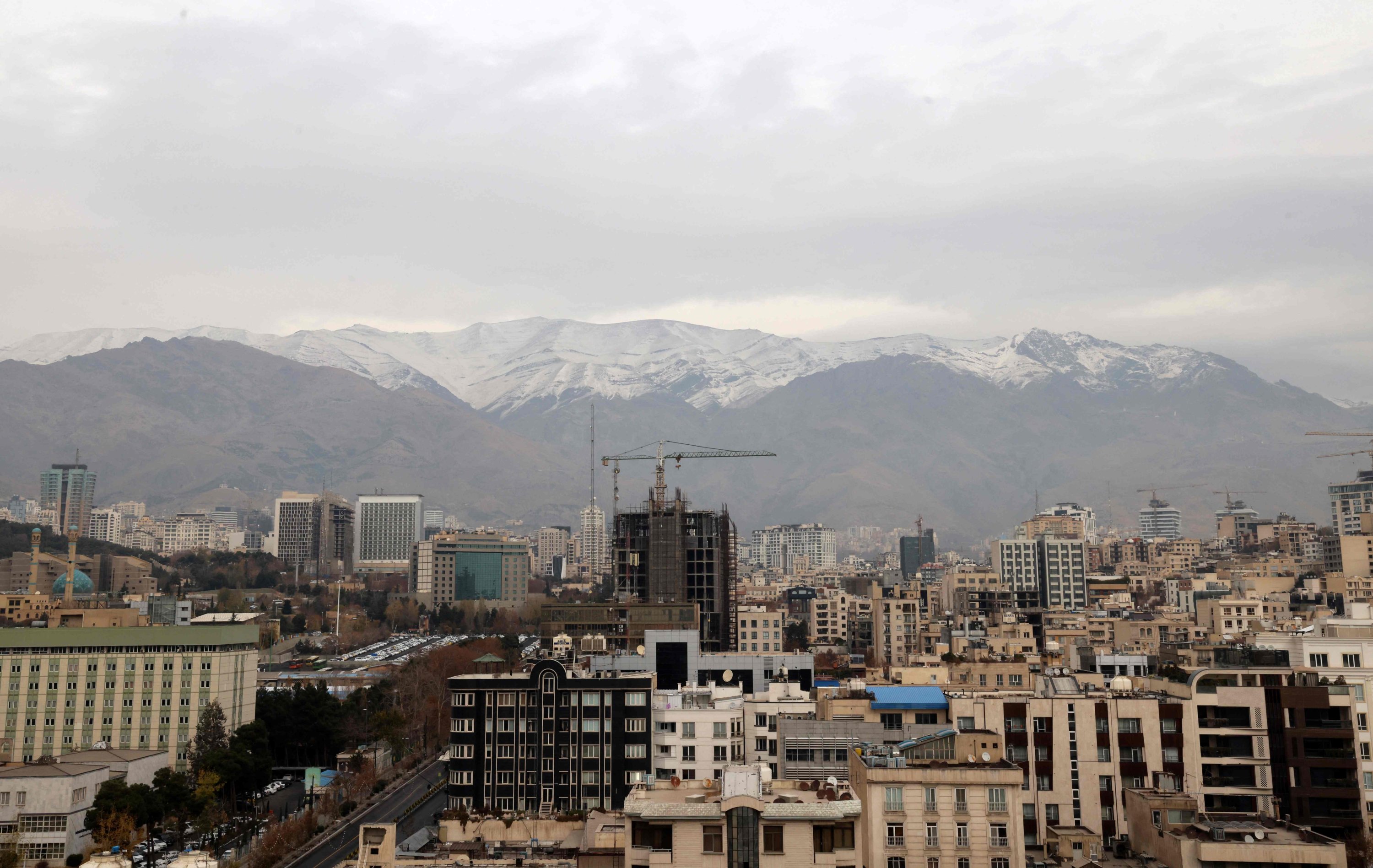
The water crisis in Iran has evolved into a national security threat, extending beyond environmental concerns to create multiple complex risks for the country. Global attention has intensified following Iranian President Masoud Pezeshkian's statement last month that Tehran may need to be evacuated if current water consumption patterns continue. The situation has reached an emergency level, as water scarcity in Iran demands immediate action with no room for compromise.
Over the past six months, storage levels in Tehran’s dams and reservoirs have fallen to critical levels, with capacity at only 5%-10%, while strategic reserves show alarming signs of depletion. As a result, discussions about Tehran’s sustainability have entered uncharted territory, with experts beginning to question the long-term viability of Iran’s capital city.
Iran is one of the world’s most water-deprived nations, as its water crisis has been driven by population growth, climate shifts, decreased rainfall, rising temperatures and more frequent droughts, which have increased water loss through evapotranspiration and reduced natural water recharge. The problem extends beyond climate change. The crisis has been exacerbated by poor water management practices, short-term solutions, insufficient funding for water-efficiency improvements, and unsustainable water-use methods.
The "self-sufficiency" agricultural policies of previous decades have created water imbalances that have led to today's water shortages, stemming from prolonged poor governance. The post-1979 "hydraulic mission," based on large-dam construction and infrastructure development, has become unsustainable due to extreme drought and excessive water consumption. The water supply has reached a point of "water bankruptcy," according to Iranian experts who now recognize its limitations.
The water scarcity crisis in Iran has developed into a security threat that threatens to disrupt environmental stability, economic productivity, social unity and political stability. The fast depletion of water sources has forced numerous rural communities to leave their homes, while major urban areas face recurring water service interruptions. The "water bankruptcy" designation indicates that national water usage exceeds available renewable resources, while the total water supply-demand equilibrium has completely failed.
Multiple cities experience water loss of 30%-50% due to deteriorating pipe networks, while Tehran suffers severe land subsidence exceeding 30 centimeters per year because of excessive groundwater extraction.
The development of water management in Iran spans three distinct periods: the early stage (1927-1963), the developmental stage (1963-1979), and the post-1979 transformation. In the 1960s, a shift in water policy led to the construction of 58 large dams, which stored more than one-quarter of Iran’s total available water resources. Meanwhile, the qanat system, which had sustained Iran’s water supply for centuries, suffered permanent damage due to overuse and neglect, as groundwater extraction rates rose to three times their previous levels.
The dramatic decline of Lake Urmia and other lakes over the past 15 years has made water scarcity a major national issue, which now dominates electoral discussions of water policy. The implemented solutions have not solved the fundamental problems of the crisis.
On the one hand, the agricultural sector in Iran uses 90% of the country’s water resources but loses 60% of this amount due to insufficient irrigation systems, infrastructure and funding. A scientific project conducted by Iran International demonstrates that using biochar made from agricultural waste can enhance soil water retention and reduce irrigation requirements by 20%-40%, providing a groundbreaking solution for agricultural transformation.
Additionally, the geographical separation between water resources and human settlements and industrial facilities has created rising tensions in the region. The water management system, based on large dams and water transfer programs, has become less efficient due to climate change and excessive water use in source areas.
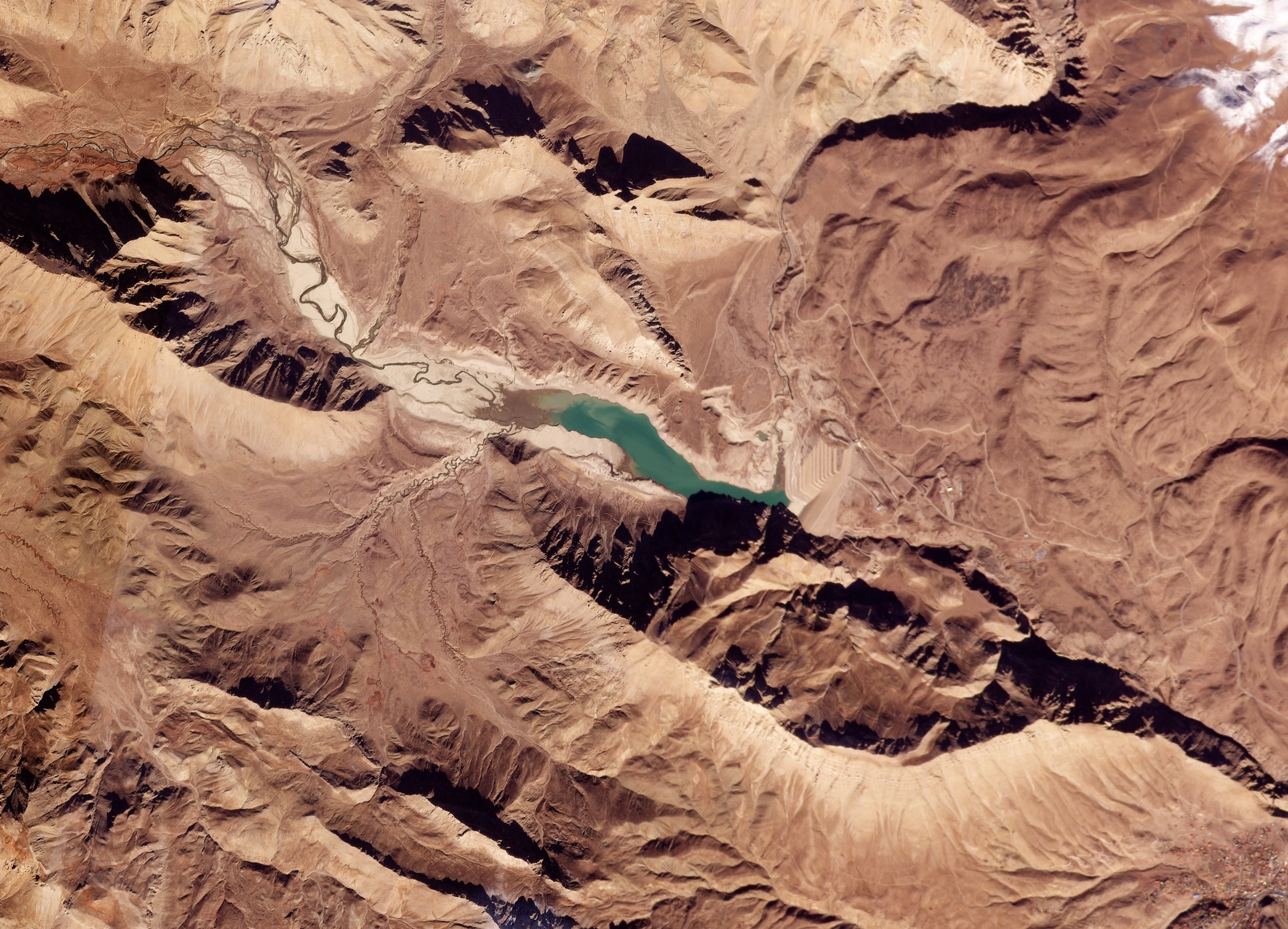
On the other hand, climatic conditions hinder Iran's water management efforts. Arid and semi-arid regions cover 85% of Iran, while the country receives only 253 mm of precipitation annually, representing one-quarter of the global average. The 2025 water year brought the lowest precipitation levels since records began, as droughts persisted for six consecutive years and 19 essential dams ran dry. This year marks the first time the crisis has threatened to disrupt Tehran's ability to secure its water supply. The city faces unmet water demand because interbasin transfers fail to meet demand, groundwater levels have dropped to critical levels, and land subsidence threatens vital infrastructure. The water consumption of Tehran’s 10 million residents exceeds the capacity of the current supply system, causing its five main reservoirs to reach critically low levels and raising questions about the future of Tehran as an administrative center.
The government has introduced capital relocation as an official policy initiative for the first time. The President, along with many national leaders, now agrees that Tehran faces an unacceptable combination of high population density, poor air quality, failing infrastructure and severe water shortages, which endanger the city's habitability.
Multiple policy directions are being evaluated as solutions to the current crisis. The first is the expansion of non-conventional water resources. A new desalination facility and water transfer system from the Persian Gulf will help reduce industrial water usage in central areas at an estimated cost of $540 million.
The second option is to strengthen the regulatory frameworks: the government plans to enforce water quotas more strictly, implement digital groundwater monitoring, and increase penalties for excessive water use.
Agricultural transformation is also considered. The main objectives include implementing biochar and other soil improvement methods, implementing rainwater collection systems, advanced irrigation systems and changing farming practices to reduce water consumption.
Another policy change could focus on wastewater treatment and reuse. Experts agree that treating wastewater for industrial and agricultural reuse represents the most practical solution to the current water crisis.
Lastly, infrastructure rehabilitation is crucial. The most effective way to stabilize urban water supply is to replace damaged networks that currently experience more than 50% water loss.
Iran needs to establish a fully integrated water management system to address its current water crisis. This requires boosting irrigation efficiency, setting water usage limits, developing wastewater treatment facilities and enforcing strict regulations on groundwater extraction. Addressing the crisis also involves implementing nature-based solutions, establishing robust water governance, using transparent data systems and satellite-based monitoring, and enhancing regional cooperation.
The crisis will worsen in the coming years if Iran fails to implement these necessary reforms, further straining its already fragile water resources.