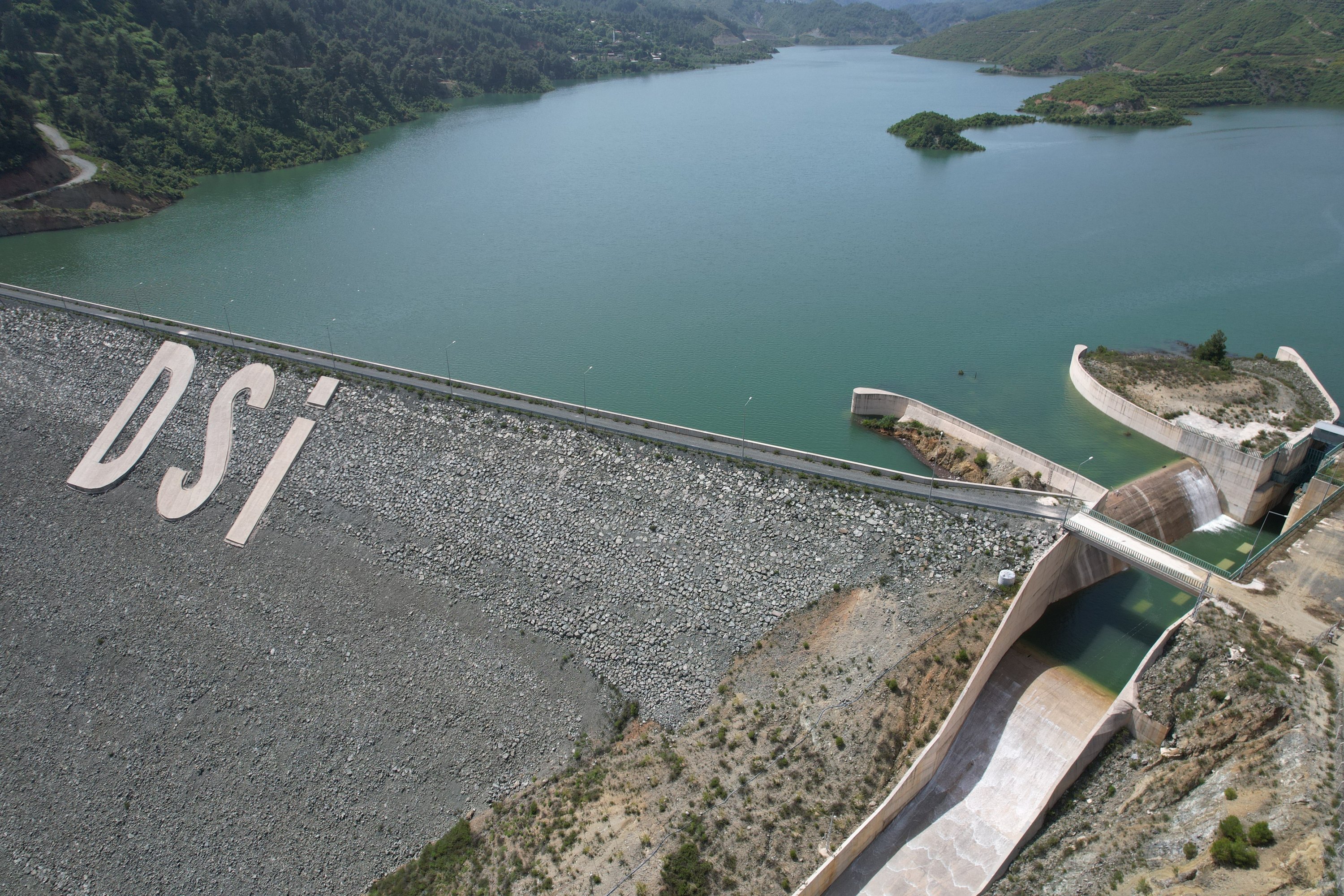
In December 2025, Istanbul reservoirs are 18% full. Ankara has 1.74% of its water actively available. Tekirdağ's Naip Dam is empty. Izmir's Gördes Dam is bone dry. Bursa has about a month's worth of water left. This is the driest period in the last 52 years. The numbers speak for themselves; so what do we say? “The climate has changed.”
True, the climate is changing. But this answer brings to mind that famous quote attributed to Albert Einstein: “'Insanity is doing the same thing over and over again and expecting different results.” That is exactly what we are doing. We are moving forward with the same mindset, the same habits, the same planning; then we look up at the sky and ask, “Why isn't it raining?”
Perhaps the real drought is not meteorological; it is mental.
How many people can our cities support? Professor Hüseyin Toros from Istanbul Technical University has done the math: even if Istanbul's dams were filled, they would hold 900 million cubic meters (mcm) of water. The city, however, consumes over 1.2 billion cubic meters (bcm) of water per year. Even if the dams were 100% full, we would still have a deficit. What is this if not a mathematical impossibility?
So, how many people know this calculation? More importantly, does anyone know the carrying capacity of our cities? How many people can a city accommodate based on its water resources, infrastructure and geography? How much of the industry can it support? What type of agriculture is it suitable for? There are no answers to these questions.
In the Konya Plain, water-intensive crops like sugar beets, corn and alfalfa are stubbornly cultivated. The groundwater level drops by more than a meter per year. Lakes that once appeared on the map are now gone. We try to grow crops that require tropical rainfall in semi-arid Anatolia. We build industry not where the water is, but where the market is; then we struggle to transport water hundreds of kilometers away.
Is this the fault of climate change? No. This is the price we pay for growing without knowing our capacity, for ignoring the math.
A new dam, a new pipeline, a new treatment plant, these are important investments, of course. But the real issue is managing water like a budget.
There is a globally accepted calendar: The water year begins on Oct. 1. In developed countries, local governments prepare water budgets just like financial budgets. What is the situation in the basin? What are the rainfall forecasts? How much can we spend this year? If there is a deficit, measures are taken at the beginning of the year, and savings measures are put in place.
Here, however, the picture is different. Oct. 1 comes and goes, and no one looks at the budget. The water in the dams decreases, and people wait, thinking, “It will rain next month.” Water is used until the last drop, as if it will never run out. When the “zero day” is upon us, then the panic begins: “Save water!”
However, crisis management is not done after a crisis occurs. Risk management is done to prevent a crisis from occurring. An approach that does not monitor the gaps in the water budget from Oct. 1 onward has no right to blame the climate.
Then there is the issue of loss and leakage. Leaks in water networks reach 40% in some provinces. In other words, we lose almost half of the water between the source and the tap. Then we say, “There is no water.”
Anatolia is the graveyard of civilizations that collapsed due to drought. Water scarcity played a major role in the fate of the Hittites, Urartians and Byzantines in these lands. That is precisely why our ancestors built cisterns and aqueducts everywhere. The Basilica Cistern and Binbirdirek are not just architectural wonders; they are concrete expressions of a water management philosophy.
But what are we doing today? We wash cars, clean sidewalks and flush toilets with water that we bring from miles away at great energy costs and purify at a cost of millions of lira. On the other hand, we send rainwater, the cheapest and cleanest source, into the sewer system.
Worse still, in our concrete-covered cities, this water, unable to seep into the ground, turns our streets into raging rivers. Amid flooding in low-lying areas, loss of life and property, we are suffering from both drought and drowning in floods.
The solution is right under our noses: rainwater harvesting. Greywater systems. Things our ancestors knew, but we have forgotten. Not new technology, but the modernization of ancient wisdom.
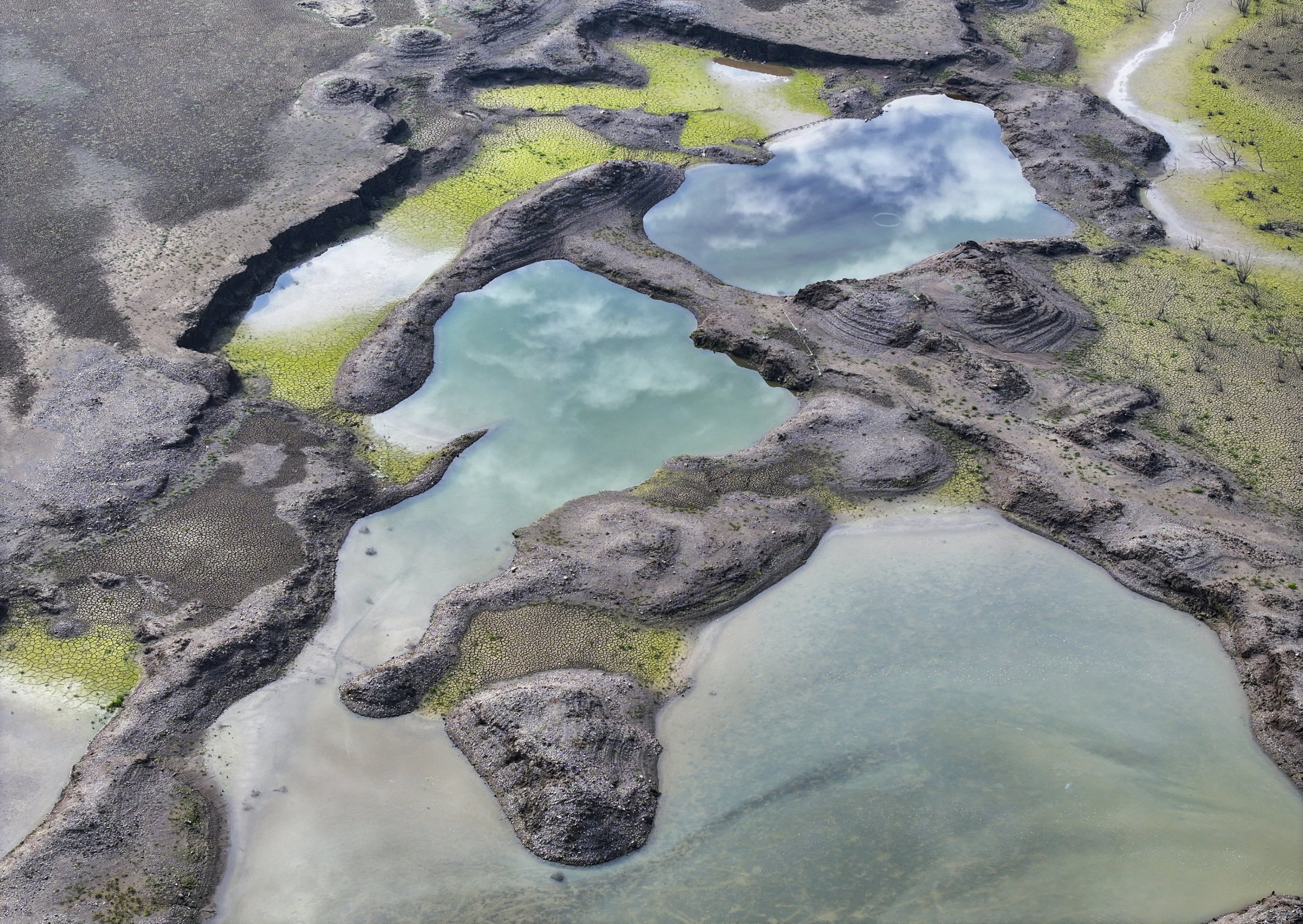
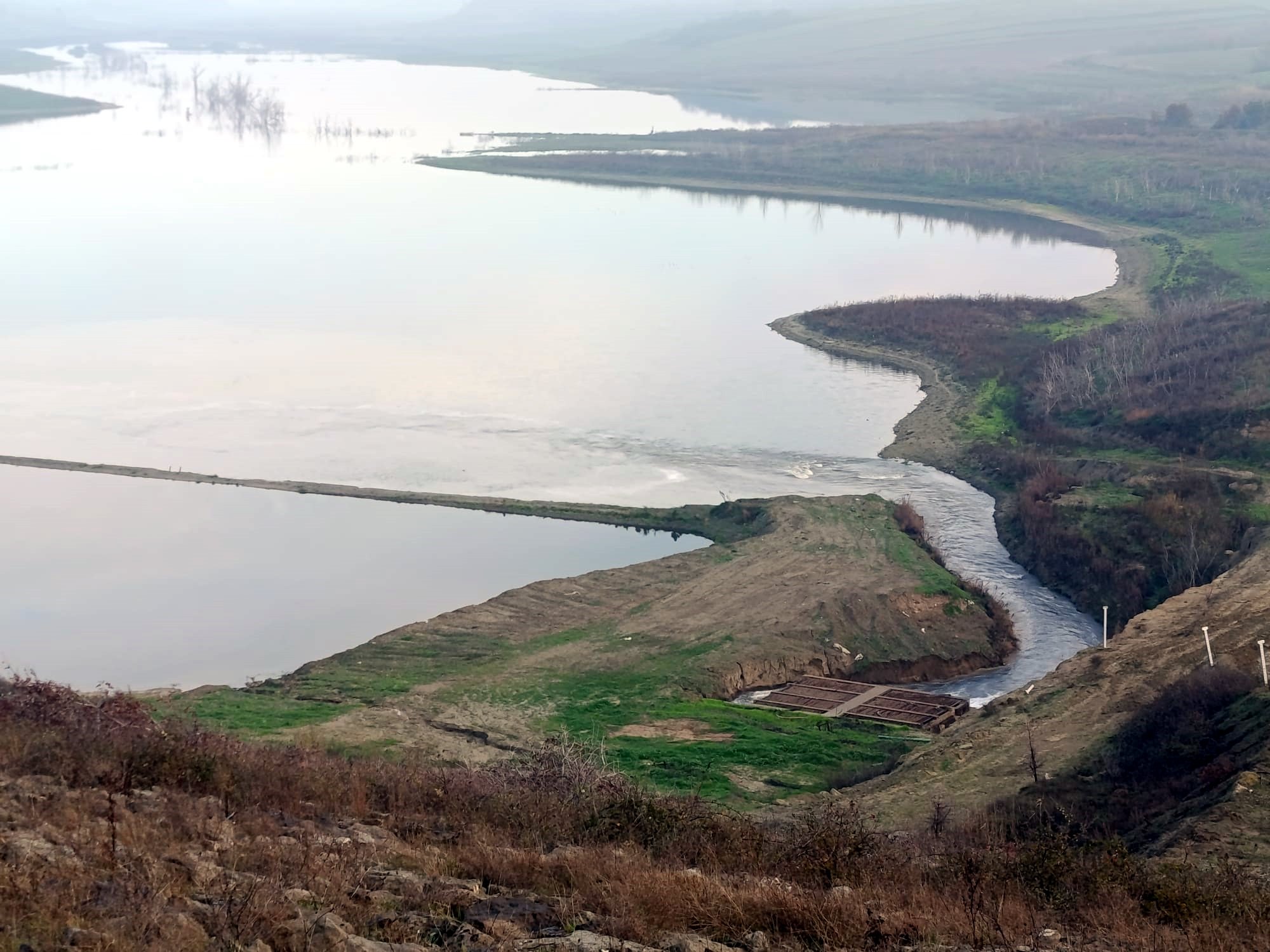
Climate change is either completely denied or declared the sole culprit for everything. Both approaches are dangerous.
It is easy to say “the climate changed, it rained too much,” when a house built on a riverbed is washed away in a flood. But the climate did not tell us to settle on the riverbed; that was our choice.
Scientific risk management is based on a simple equation: Risk equals the sum of hazard, exposure and vulnerability.
Hazard is a natural event: extreme rainfall, drought or earthquake. We often cannot prevent this. Exposure is being in the place where that hazard occurs: building a house in a riverbed, building a city on a fault line. Vulnerability is being defenseless against that hazard: weak infrastructure or poor planning.
We focus only on the “hazard” part of this equation. When there is a flood, we say “it rained too much”; when there is an earthquake, we say “the fault line broke.” Yet a flood of the same intensity claims hundreds of lives in a neighborhood filled with structures in a riverbed, while causing only material damage in a properly planned city.
If the hazard is weather-related, the culprit automatically becomes “climate.” While there are dozens of factors causing water scarcity, we point the finger only at climate change. This misdiagnosis leads to misguided remedies.
We pin our hopes on methods of questionable scientific validity, such as “rain bombs” (cloud seeding). But this is not a real solution to drought, only a shortcut.
We talk about financially impossible projects like “let's move the city.” Yet, managing cities according to their capacity is both cheaper and more realistic than moving them.
In the short term, if there is insufficient rainfall in the coming months, gradual water cuts in major cities will be inevitable. Experts say that current stocks will not last even four months. Agricultural restrictions will hit food prices.
In the medium term, rainfall irregularity will increase according to climate scenarios. Severe rainfall and long periods of drought will occur alternately. This will increase the risk of both floods and drought at the same time.
In the long term, as warned by United Nations experts, 47% of Türkiye's land is at risk of desertification. Central Anatolia, Southeast Anatolia and the interior of the Aegean region may face serious water shortages.
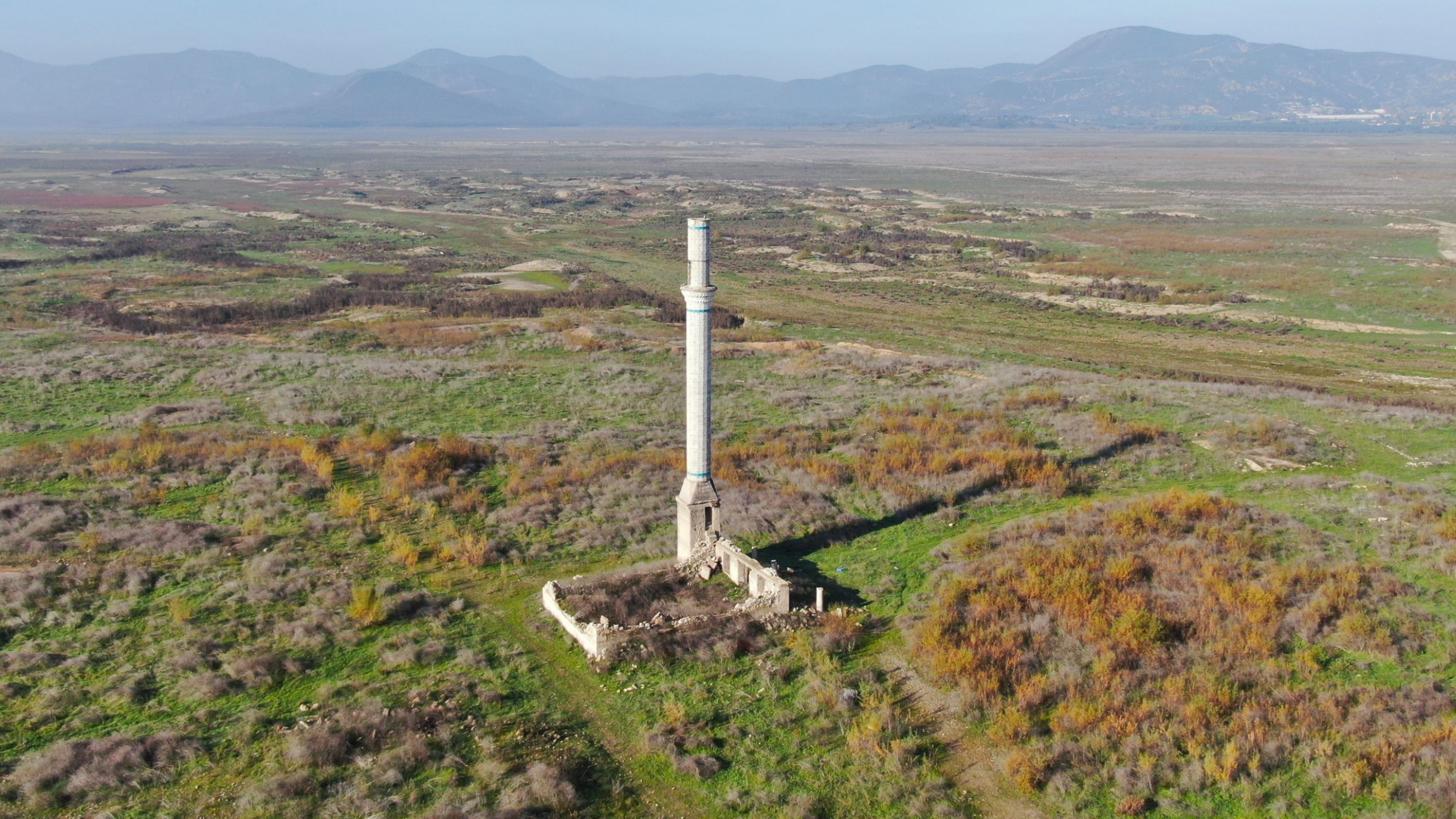
Climate change is real and a serious threat. Denying it is meaningless. But declaring it the absolute cause of everything is just as dangerous as denial.
If we do not want to share the fate of civilizations that have disappeared in the arid lands of Anatolia, we must first change our mindset.
Knowing each city's carrying capacity, creating a water budget, making use of rainwater and reading the risk equation in three dimensions is not rocket science. Our ancestors knew it a thousand years ago.
History has witnessed civilizations rise with water, and fall with it. The choice is ours: Blame the sky and repeat the same mistakes, or go back to the root causes and make our minds drought-resistant?
As Einstein said, doing the same thing and expecting different results is madness. The way out of madness is not to look at the sky, but to look in the mirror.