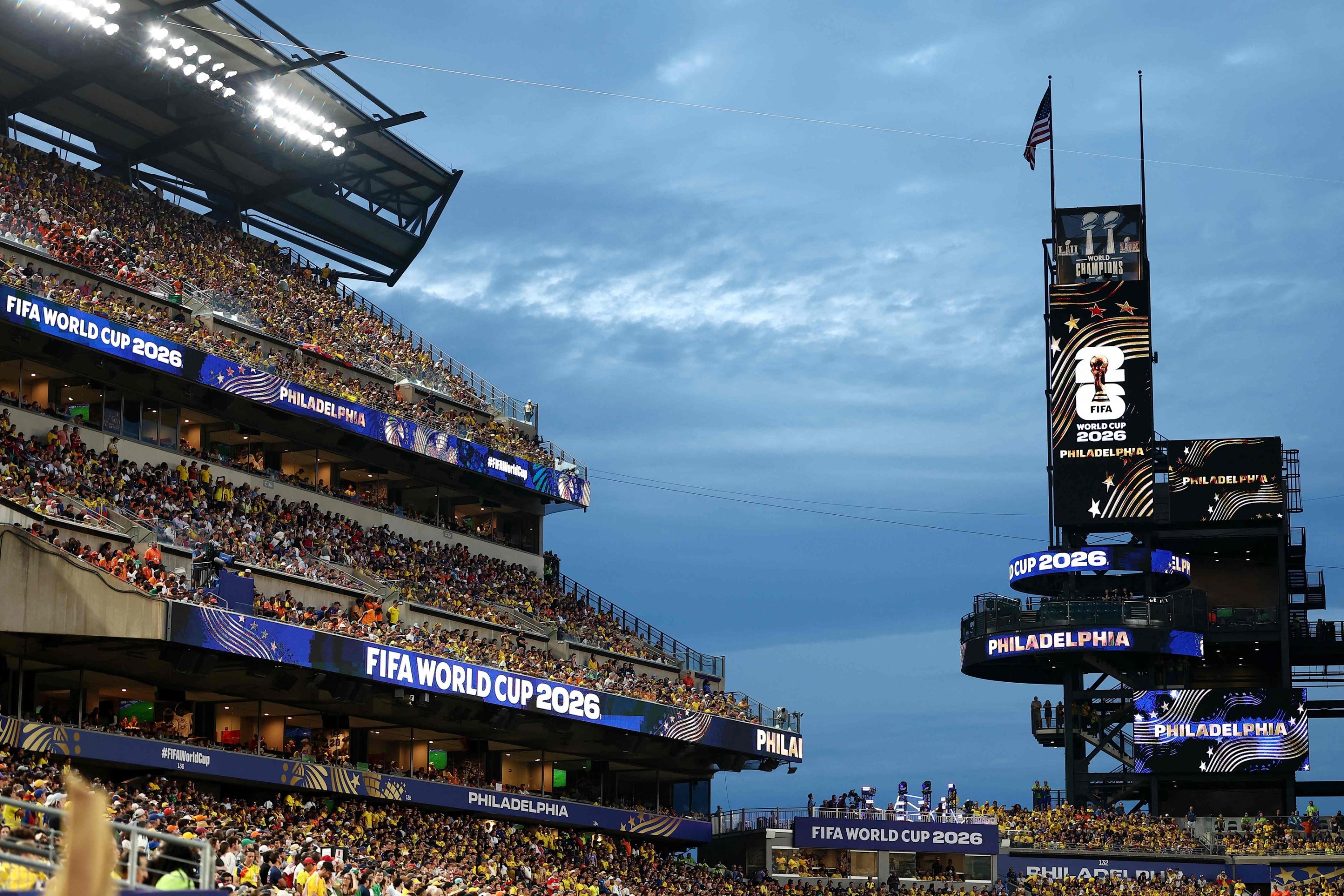
Football has always told itself a beautiful story. That it belongs to everyone. That a kid in Lagos, a factory worker in Buenos Aires, or a fisherman in Dakar can share the same dream as a billionaire in Manhattan. The World Cup, more than any other event on earth, was supposed to be the proof of that story.
The 2026 edition, currently underway across the United States, Canada and Mexico, has exposed that story as a fiction.
The numbers are not subtle. The cheapest standard ticket for the final at MetLife Stadium reached $5,785 before the tournament even began, nearly four times the $1,550 maximum that the original host bid promised fans. The most expensive seats hit $10,990. On FIFA's own resale platform, final tickets were listed at $32,970. One listing, apparently not intended as a joke, appeared at over $11 million.
FIFA did respond to the outrage. It introduced a $60 "Supporter Entry Tier" for every match. It sounded generous until you read the fine print: those cheap seats cover less than 1% of stadium capacity per game. The gesture was not a solution. It was a press release designed to absorb criticism.
Gianni Infantino, FIFA's president, told fans to "chill." He argued that revenues would be reinvested back into global football. He pointed to record demand. What he did not explain was why the cheapest "Fans First" ticket at Euro 2024 in Berlin cost 95 euros, while the equivalent at this World Cup final costs over $5,000. That is not demand. That is a choice.
And the ticket price is only the beginning. Hotels in U.S. host cities are charging rates far above their usual levels, with Vancouver averaging $404 per night. New Jersey Transit charged fans $150 for a train ride from Penn Station to MetLife Stadium, a journey that normally costs $12.90. Parking near stadiums is being sold for up to $175 per spot. For a family wanting to attend a single match in New York, the total cost of one day could easily run into thousands of dollars.
An Ipsos poll found that 59% of Americans believe the costs are too high for the average person. These are the host nation's own citizens.
The cruelest irony is what this means for the fans who have historically defined the World Cup's atmosphere. The Brazilians who sell their car to follow their team. The Argentines who travel for months on a budget. The Senegalese supporters who made Qatar feel alive. These are the people the tournament was built on. They are the ones who cannot afford to be here.
What is happening in 2026 is not simply a pricing controversy. It is a statement about what FIFA believes the World Cup is for. When you price out the working-class fan, the travelling supporter, and even the disabled attendee, yes, accessibility tickets were also swept up in the price surge, you are making a decision about who football belongs to.
The answer, in 2026, appears to be: those who can pay.
Infantino promised 104 Super Bowls. What he delivered is closer to 104 exclusive galas with a football pitch in the middle. The sport will survive this tournament. The games are being played, the goals are being scored, and billions will watch on screens around the world for free. But something is being lost in those empty premium seats and those unsold upper-tier tickets.
The World Cup used to feel like it belonged to the world. Right now, it feels like it belongs to the highest bidder.