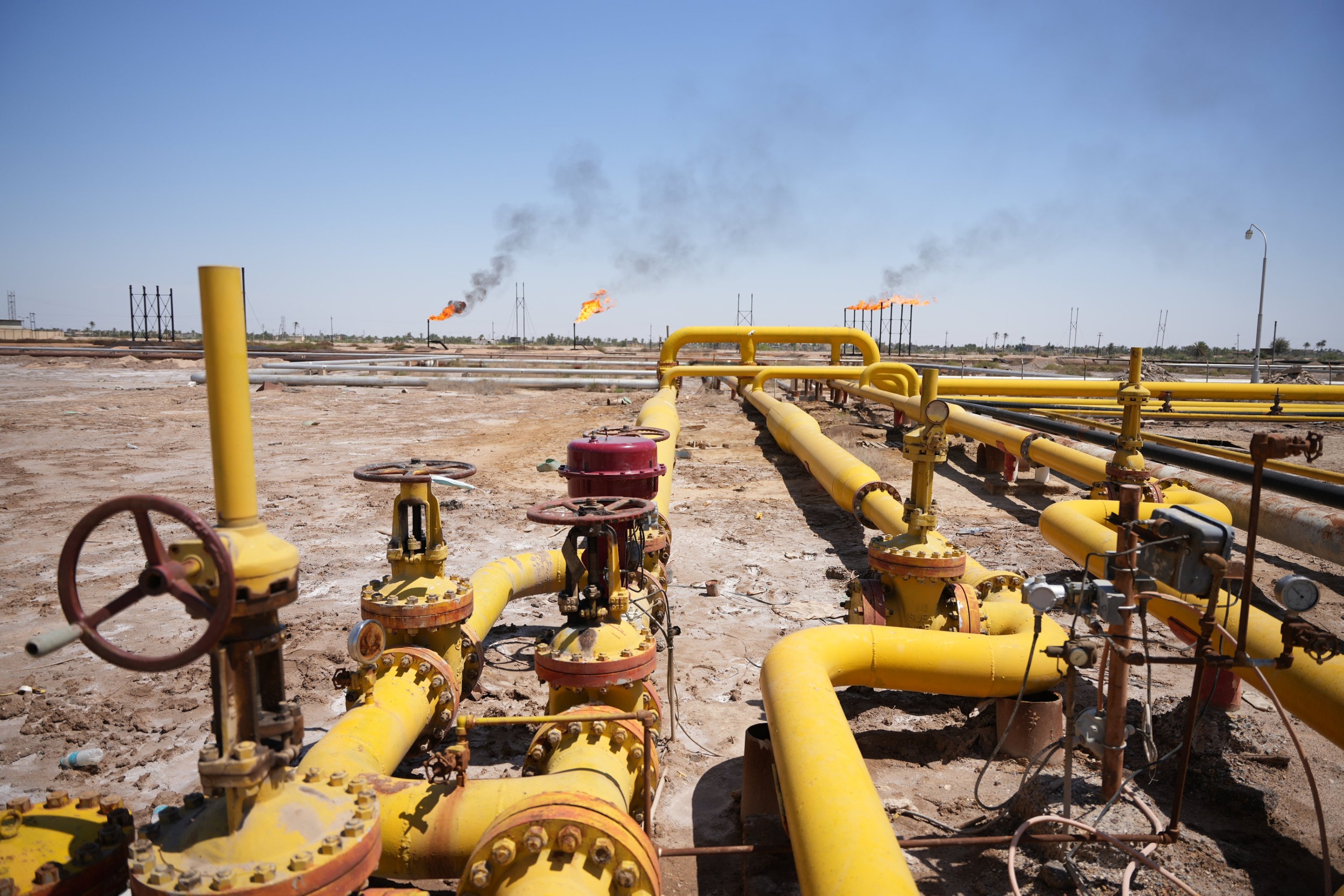
From the perspective of the global energy architecture, systems dependent on a single strait or a single maritime route are no longer considered sustainable. Instead, multi-corridor structures based on alternative routes that can support one another and remain operational during crises are becoming increasingly prominent. This approach defines energy security not only through supply volumes but also through the continuity of flows. The geopolitical risks created by the Strait of Hormuz have revealed the necessity of making the energy system more resilient. This necessity has transformed the development of alternative energy routes from a policy option into a strategic requirement.
In the traditional understanding of energy geopolitics, countries were generally divided into three categories: producer countries, consumer countries and transit countries. Today, however, this distinction is becoming increasingly blurred, particularly as transit countries acquire a new role and evolve into central actors within the energy system.
Türkiye is one of the most striking examples of this transformation. Due to its geographical position, serving as a natural bridge between the Middle East, the Caspian Basin and Europe, Türkiye was for many years defined in the energy literature as a transit country. However, the global energy crises following 2022, the Russia-Ukraine war and the increasing risks surrounding critical chokepoints such as the Strait of Hormuz have redefined Türkiye’s role. At this stage, Türkiye is no longer merely a transit country but also a potential physical energy hub capable of directing and diversifying energy flows while indirectly influencing price formation.
Türkiye’s energy infrastructure also supports this transformation. The Trans Anatolian Natural Gas Pipeline (TANAP), TurkStream and the Baku-Tbilisi-Ceyhan pipeline have turned Türkiye into an important component of the regional energy system. However, the issue in the new era is no longer limited to operating existing lines but rather creating new corridors.
The year 2022 represented a turning point for the global energy system. Following the Russia-Ukraine war, Europe experienced a severe energy security crisis, liquefied natural gas (LNG) prices climbed to historic levels and energy supply became a global security issue. During this period, Türkiye significantly intensified its energy diplomacy and adopted a multidimensional strategy. Yet the critical point here is that Türkiye’s energy strategy cannot be reduced to a single year. It was not a starting point but rather a rupture period during which the ongoing transformation accelerated.
Throughout this process, Türkiye increased its energy engagement with Turkmenistan, Iraq and Gulf countries, while the idea of transporting Caspian gas and Middle Eastern energy resources to Europe through Türkiye returned strongly to the agenda.
In particular, energy relations with Turkmenistan regained momentum during this period, and the Turkmenistan-Türkiye corridor emerged as an alternative route, although it has not yet materialized into a physical pipeline. Nevertheless, the diplomatic and strategic groundwork has been significantly strengthened.
At the other end, the Qatar-Türkiye natural gas corridor stands out as a strategic vision aimed at transporting Middle Eastern gas to Europe through an alternative overland route. Considering Qatar’s strong position in the global LNG market, such a corridor has the potential to combine LNG flexibility with pipeline security. In this way, the European energy system could become less dependent on maritime transportation alone and move toward a more balanced structure, while Türkiye could rise to the position of a critical energy hub within this architecture.
There is also the Iraq-Türkiye oil corridor, which represents one of the most critical alternatives capable of reducing dependence on the Strait of Hormuz. Since Iraqi oil exports are largely dependent on the Persian Gulf and the Strait of Hormuz, the global energy system remains exposed to geopolitical risks. If the Iraq-Türkiye oil pipeline is expanded and strengthened, millions of barrels of oil per day could potentially reach global markets through an alternative overland route. This would create an important balancing factor not only for Türkiye-Iraq relations but also for global energy security. At the same time, it would position Türkiye as a central actor not only in natural gas flows but also in oil transportation.
When the alternative energy corridors developed by Türkiye are evaluated from a European perspective, current storage and supply dynamics further increase the strategic importance of these routes. At the beginning of the 2024 injection season, European underground gas storage systems were at approximately 28%, indicating that the continent entered the post winter period with relatively low inventory levels. This situation effectively meant that Europe began the storage season close to empty, triggering a notable increase in LNG demand.
This growing dependence on LNG imports increased volatility in the global LNG market while also raising transportation costs. In particular, geopolitical risks surrounding critical chokepoint regions such as the Strait of Hormuz, together with recurring expectations of supply disruptions, pushed both insurance and freight costs for LNG cargoes upward, further increasing the cost burden on Europe’s energy security. Although European storage levels rose to approximately 30% to 35% by May, signaling a degree of recovery, these levels still remain nearly 20% points below the five-year average, demonstrating that structural fragility continues.
When all these indicators are evaluated together, it becomes increasingly clear that Europe is struggling to establish a sustainable energy balance based solely on an internal storage capacity centered security architecture. Therefore, alternative energy corridors that could be shaped through Türkiye have become a critical necessity not only for supply diversification but also for cost stability. In this context, the most significant transformation can be summarized through the following question: Will Türkiye become a virtual energy hub or a physical energy hub? Current developments indicate that Türkiye is steadily advancing toward becoming a physical energy hub. This concept emphasizes that Türkiye is no longer merely a theoretical center but is evolving into a concrete energy hub supported by infrastructure, pipelines and trade flows.