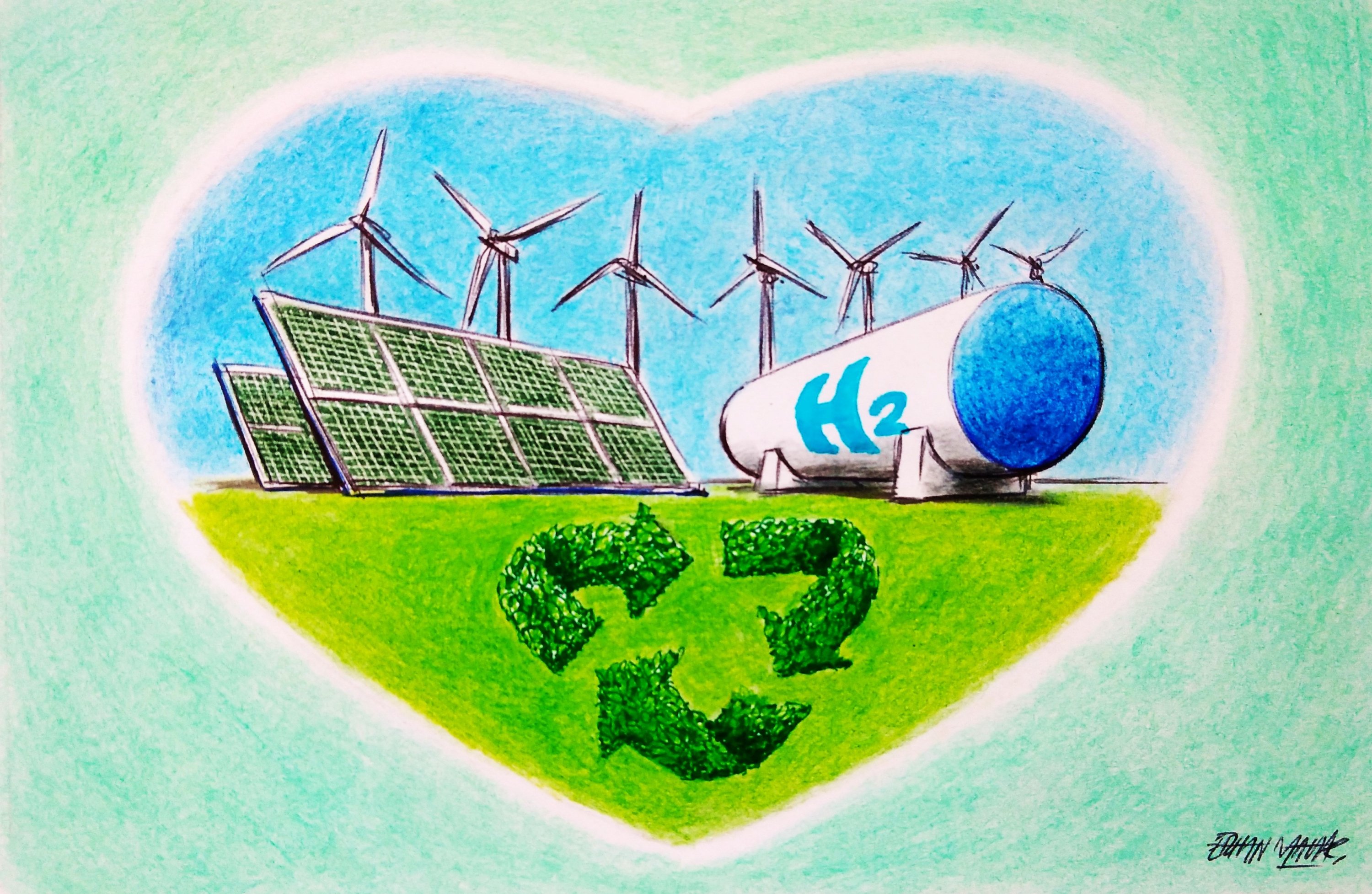
While renewable energy has gained prominence globally in recent years due to the urgency of addressing climate change, its inclusion in national energy agendas dates back much further. For decades, hydropower dominated global installed electricity generation capacity, but recent years have seen a significant shift with the growing contribution of modern renewable technologies such as wind, solar, geothermal and biomass. Closely following this global trend, Türkiye has also placed renewable energy at the heart of its energy policy for over two decades.
As a resource closely tied to geography, renewable energy tends to attract high investment in countries with abundant potential, provided there is political vision and favorable economic conditions. In contrast, it often lags in less developed and developing countries. Among developing nations, Türkiye stands out for its intensive efforts in renewable energy, particularly since the early 2000s. By investing in domestic renewable resources, Türkiye has sought to reduce its dependence on energy imports and enhance energy security. At the same time, it has committed to fulfilling its responsibilities under the U.N. Framework Convention on Climate Change and the Paris Agreement by reducing greenhouse gas emissions. The target of achieving net zero emissions by 2053 requires the decarbonization not only of the power sector but also of energy-intensive sectors like transport and heating. Turkiye’s initiatives in electric vehicles and hydrogen energy show a strong commitment to this goal.
Renewables are now the first line of response to growing energy demand. Like many countries, Türkiye historically relied heavily on fossil fuels and hydropower for electricity generation. However, beginning in the 2000s, population growth and economic development spurred an increase in energy demand, prompting accelerated investment in renewables. Beyond hydropower, the country expanded investments in wind, biomass, geothermal and solar energy. As a result, Türkiye’s renewable electricity installed capacity rose from 12,278 MW in 2002 to 22,180 MW in 2012, reaching 56,393 MW by the end of 2022. As of May 2025, it stands at 72,110 MW, ranking fifth in Europe and 11th globally.
This increase in installed capacity has translated into higher renewable electricity generation, though it is subject to seasonal variability. In 2002, renewables accounted for 26.2% of total electricity generation; by 2012, this share had risen to 27%, and by 2024, it reached 42.7%.
It is important to highlight that Türkiye has not only expanded its renewable installed capacity but also invested in renewable technology manufacturing. Today, Türkiye ranks first in Europe and fourth globally in terms of solar panel production capacity, and fifth in Europe in wind turbine component manufacturing. This dual focus on domestic technological development and job creation ensures the sustainability of the country’s know-how in the clean energy transition.
The updated and more ambitious 2035 targets, announced in 2024 as a stepping stone toward the 2053 Net Zero goal, reflect Türkiye’s continued commitment to advancing renewable energy. The country aims to expand its current 30,000 MW of installed wind and solar capacity to 120,000 MW and add an additional 5,000 MW of offshore wind capacity, currently absent from the energy mix. These goals underscore the country’s dedication to both energy security and climate action.
Decarbonizing the transport sector, which is the second-largest source of greenhouse gas emissions, is another top priority. One significant move in this area is the transformation of the long-discussed domestic car project into an electric vehicle initiative. Known as Togg, the EV does not emit carbon during operation, making it a key tool in reducing emissions in the transportation sector. Additionally, compared to conventional vehicles, Togg is quieter, helping to mitigate noise pollution as well.
Local governments are also expanding their electric public transportation fleets, including buses, subways and trams, contributing to the overall reduction of fossil fuel consumption in mobility.
Türkiye’s strategy to use renewables not just for electricity generation but also for hydrogen production further illustrates its ambition to tap into all aspects of green energy. One major project is the Marmara Hydrogen Shore Platform, planned for the Balıkesir coast. This facility is expected to produce around 500 tons of green hydrogen annually, primarily to substitute natural gas in local industrial facilities.
Recognizing the strategic importance of critical minerals in clean technologies, Türkiye is also working to develop its rare earth element resources. These materials are essential for battery production and energy storage systems. In cooperation with international partners, Turkiye aims to secure these inputs and further reduce import dependency while building domestic capabilities in clean energy innovation.
In summary, Türkiye is not only investing in renewable energy generation but also fostering the development of clean energy technologies and sustainable infrastructure. Its efforts are reducing foreign energy dependence and aligning the country with its 2053 Net Zero Emissions goal. If these trends continue, Türkiye is well-positioned to remain a major player in the renewable energy arena, both in Europe and worldwide.