As we enter the second half of 2026, we are witnessing a long-awaited milestone for the Turkish defense industry. Many systems that have been under development for years, with prototypes unveiled and extensive testing completed, have now entered the serial production phase. More importantly, these systems have begun entering the inventory of the Turkish Armed Forces (TSK).
This development does not merely signify the production of new weapons. It also demonstrates that Türkiye’s defense industry has moved beyond the design, development and testing phases to achieve sustainable mass production capability. This is precisely the key strategic achievement.
One of the most notable developments of this period was the commencement of deliveries of the T-155 Panter 8x8 howitzers.
This 155-millimeter howitzer has a range of approximately 50 kilometers (30 miles). However, its most distinctive feature, setting it apart from its counterparts, is that it is built entirely around mobility. Mounted on an 8x8 platform that draws power from all eight wheels, the system can move at high speeds, fire quickly and change positions to evade enemy return fire.
In modern warfare, mobility is just as important as firepower. Operating on the “hit-and-run” principle, these systems provide close fire support to units while also significantly increasing their survival rates.
The initial delivery of 40 T-155 Panters to the TSK will significantly strengthen the ground forces’ fire support capabilities.
The long-awaited Altay main battle tank has also entered the mass production phase. With the new factory beginning full-scale operations, production is expected to reach double-digit annual output. This figure is expected to increase further in the coming years.
The Turkish Navy is also gaining a significant force multiplier. The TCG Izmir (F-516), the second ship of the Istif class, is joining the fleet with a length of approximately 115 meters, a beam of 15 meters and a crew capacity of over 130 personnel.
The most striking feature of the ship is that it is equipped entirely with domestically developed systems. Equipped with systems developed by Aselsan, Havelsan and MKE under the lead contractor Asfat, the ship features: the National Vertical Launch System, Atmaca anti-ship missiles, the Gökdeniz close-in air defense system, a 76 mm naval gun, and advanced sonar and anti-submarine defense systems.
I would also like to highlight an important point. Today, Türkiye is not only producing new warships but also replacing the foreign-made electronic warfare, weapon, radar and fire control systems on warships previously acquired from abroad with domestically developed systems. In other words, it is nationalizing its existing fleet of older warships. All of this work is being carried out at the Naval Shipyard Commands under the leadership of Asfat.
This transformation, carried out quietly and without fanfare, is actually a true revolution for the Turkish naval force.
Another long-awaited development is the start of series production of the Bayraktar Kızılelma. Kızılelma is not merely an unmanned aerial vehicle (UAV). It is one of the first examples of an AI-supported unmanned combat aircraft concept capable of conducting preemptive air combat against enemy air power and possessing high maneuverability.
The first deliveries are planned by the end of the year. This development is of critical importance for the TSK’s future manned-unmanned mixed operations concept.
A significant milestone has also been reached in the Kaan national fighter aircraft project. While a decision on serial production is expected to be made this year, laboratory tests for the national engine development program have been completed, and field tests have begun. Following thousands of tests conducted at the new engine development facilities established by Turkish Aerospace Industries (TAI), the national engine is targeted to enter service around 2030.
Engine technology is one of the most challenging areas in the defense industry. Türkiye is now preparing to cross this critical threshold as well.
Significant developments are also taking place in domestic aircraft platforms.
Deliveries have begun as the Hürkuş-2 training aircraft enters mass production. This means Turkish pilots will be able to complete their training entirely on domestically produced platforms.
In the past, over $100 million was spent annually on pilot training abroad; now, these resources will remain within the country.
Meanwhile, the international certification process for the Gökbey helicopter is nearing completion. Once certification is finalized, the way will be paved for exports.
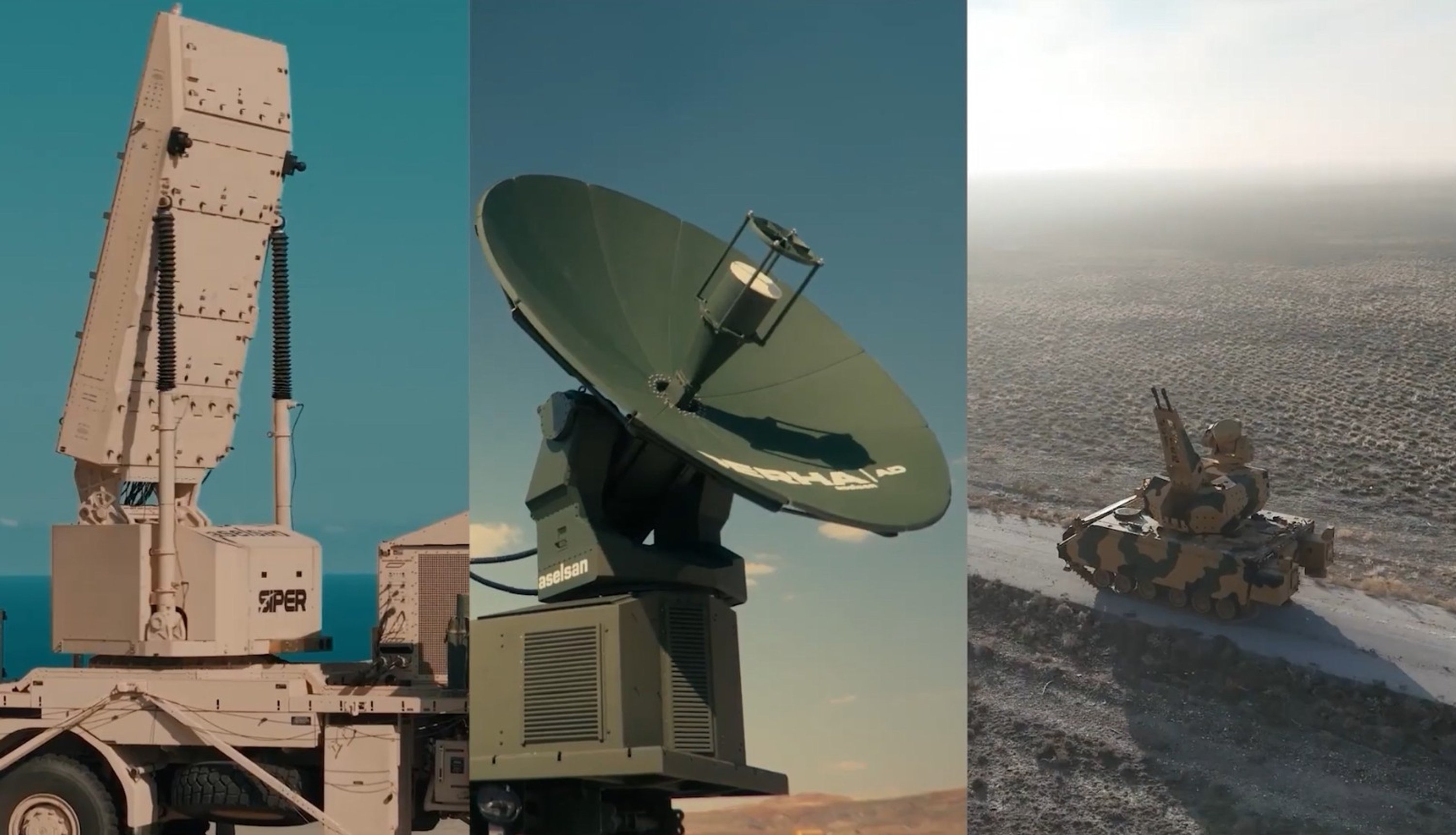
Türkiye's investments in air defense and electronic warfare are also continuing at the same pace.
While production of the Siper Block-1 continues, Block-2 is being prepared for mass production. Testing of Block-3 is ongoing.
In the field of electronic warfare, Koral-2 systems have entered production.
In the long-range radar sector, the Alp-300 has become a significant milestone demonstrating the level achieved by the Turkish defense industry.
Capable of detecting targets at a range of approximately 600 kilometers, the Alp-300 is largely ending Türkiye’s dependence on foreign sources.
More importantly, the system's portable design allows it to be integrated into airborne platforms. This largely eliminates the blind spots of ground-based radars caused by the Earth's curvature. As a result, it provides a significant strategic advantage in terms of early warning and the generation of a comprehensive air picture.
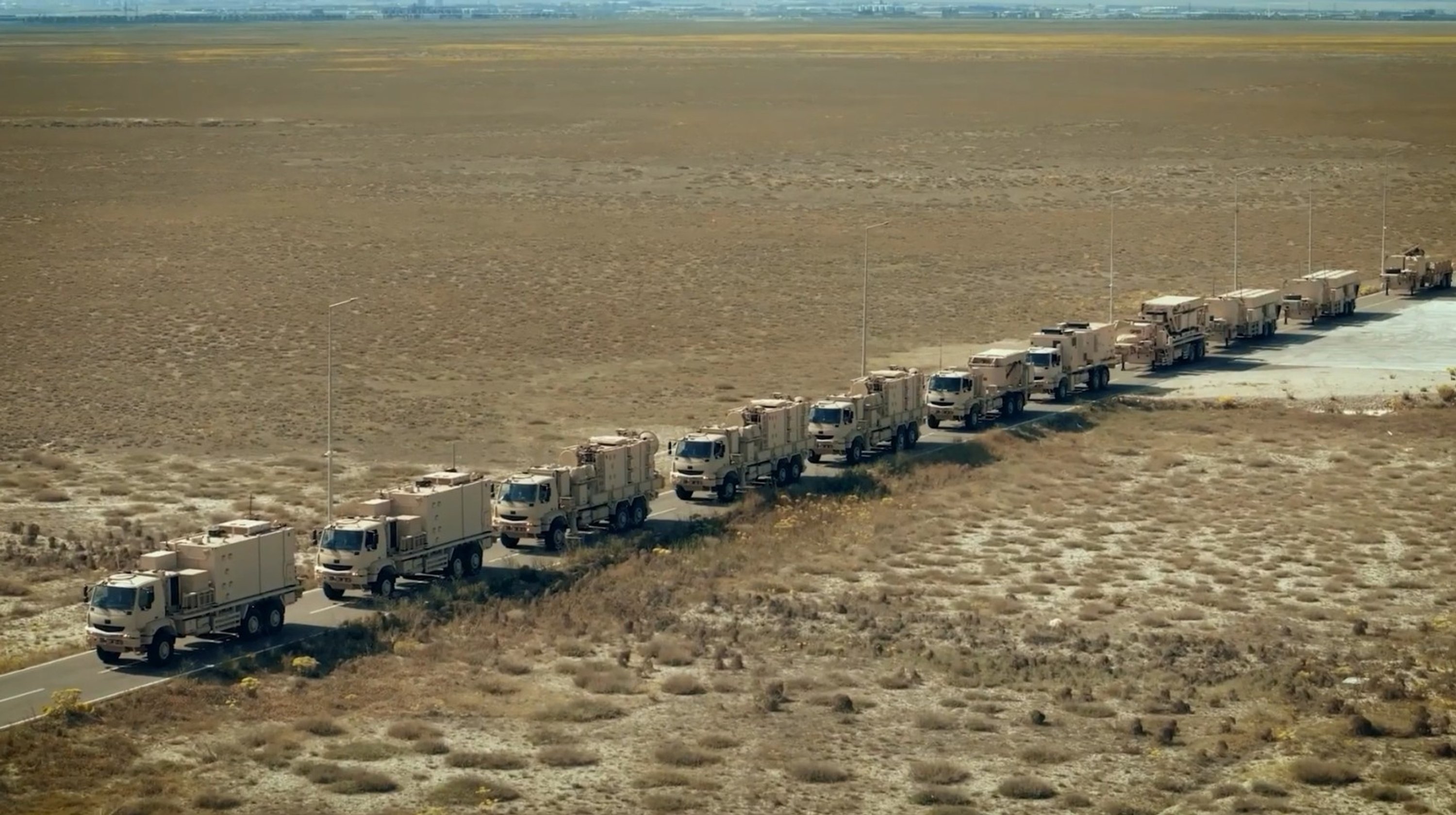
When all these developments are considered together, a clear picture emerges. Türkiye is no longer merely a country that develops defense projects. It has established a defense industry ecosystem capable of bringing these projects into mass production and delivering them to its armed forces. This simultaneous progress in land, air, naval, electronic warfare, air defense and radar technologies significantly enhances the deterrence capabilities of the TSK.
Of course, there is still much work to be done. However, the point we have reached today clearly demonstrates that a new era has begun in the history of Türkiye's defense industry.
On this occasion, I would like to extend my heartfelt congratulations to all the institutions, engineers, technicians, workers and the heroic members of the TSK who contribute to Türkiye's defense industry.