In 2024, Türkiye faced various security threats and regional changes, highlighting the challenges of counterterrorism and geopolitical turbulence. The year revealed both vulnerabilities in Türkiye’s defenses and new opportunities to consolidate influence in a shifting Middle East.
Türkiye's longstanding battle against the PKK/YPG continued to dominate its security landscape. The January infiltration of a Turkish outpost in northern Iraq underscored the PKK's operational resilience. Similarly, the October attack on Turkish Aerospace Industries (TAI) in Ankara, which claimed five lives, marked a concerning escalation in the PKK’s tactics. By targeting critical infrastructure, the PKK highlighted its ability to disrupt Türkiye’s industrial and security foundations.
Adding to Türkiye’s challenges, the PKK demonstrated anti-drone missile and kamikaze drone capabilities in 2024, directly threatening Türkiye’s reliance on unmanned aerial systems for counterterrorism. Such developments signal an urgent need to dismantle the PKK’s supply chains, which are often bolstered by foreign backers providing advanced weaponry. Türkiye's counterterrorism strategy must evolve to address these technological threats while maintaining its regional presence.
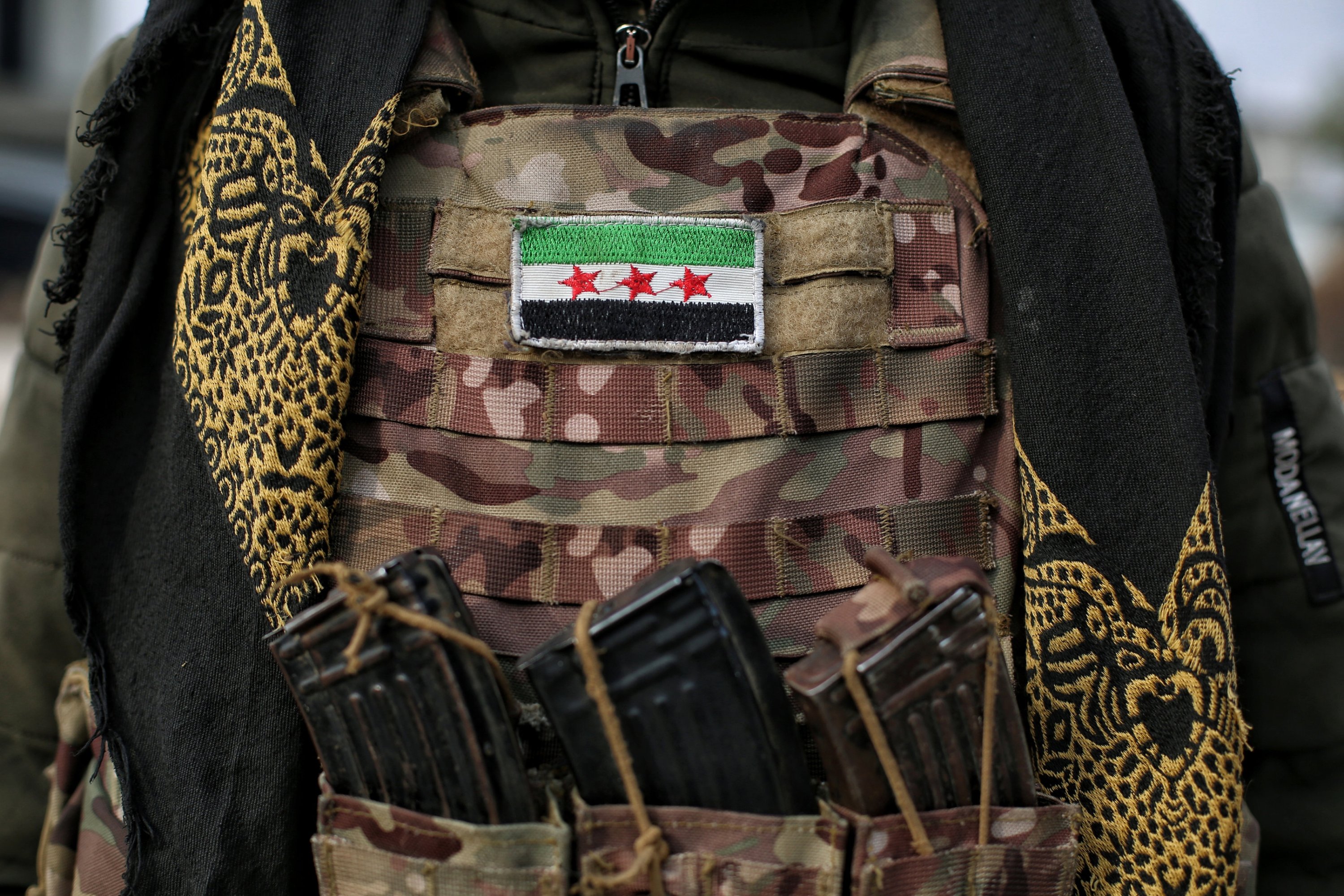
The most significant geopolitical event of 2024 was the collapse of Bashar Assad's regime in Syria. The end of the Baath Party’s 61-year rule created a power vacuum, intensifying regional instability. Opposition forces, including Hayat Tahrir al-Sham (HTS) and the Syrian National Army (SNA), seized control of Damascus, forcing Assad to flee. While the transition in Syria offers opportunities for Türkiye to reshape the region, it also complicates the balance of power, particularly concerning the YPG, the Syrian branch of the PKK.
The PKK/YPG now faces the risk of losing its foothold in northern Syria, prompting potential clashes between the SNA. Türkiye, which seeks to neutralize the PKK/YPG's influence, must navigate these dynamics carefully to prevent renewed instability while solidifying gains.
Türkiye and Iraq signed a landmark memorandum of understanding (MoU) in August 2024. This agreement marked a turning point in counterterrorism cooperation, facilitating joint military training, intelligence sharing and the establishment of security coordination centers in Baghdad and Bashiqa. For Türkiye, the MoU provides a framework to intensify cross-border operations against PKK strongholds, particularly in Sinjar and the Qandil Mountains.
Iraq, in turn, benefits economically and politically by curbing PKK activities that undermine its sovereignty. Enhanced collaboration positions both countries to address shared threats while limiting the PKK’s ability to exploit regional divisions.
The fall of Assad’s regime presents a unique opportunity for Türkiye to shape Syria’s future governance and security. By supporting security sector reform (SSR) in Syria, Türkiye can contribute to forming a unified national force that excludes terrorist groups like the PKK/YPG, which would ultimately bolster Türkiye’s border security.
SSR initiatives also provide Türkiye with leverage to secure broader international support for its counterterrorism efforts, further isolating the PKK and its affiliates. By aligning Syria’s restructured security sector with its strategic objectives, Türkiye can create a buffer against cross-border threats and reinforce stability in its southern neighborhoods.
The year ahead is set to bring both challenges and opportunities. Political overtures within Türkiye signal a potential shift in the approach to the issue. Nationalist Movement Party (MHP) Chairperson Devlet Bahçeli's call for Abdullah Öcalan, the imprisoned PKK leader, to end the group’s armed struggle marks a departure from hardline policies. While President Recep Tayyip Erdoğan has expressed cautious support for this initiative, the feasibility of negotiations remains uncertain amid ongoing PKK attacks and regional instability.
Further complicating the landscape, the anticipated U.S. withdrawal from Iraq in 2025 will create a power vacuum in areas where the PKK operates. This could either embolden the PKK to consolidate political influence or accelerate efforts by Türkiye and Iraq to eliminate its strongholds. In either scenario, Türkiye’s military posture and proactive diplomacy will be crucial in shaping outcomes.
On the other hand, the evolving post-Assad environment will bring increased international scrutiny to Türkiye’s operations in Syria. The U.S., committed to supporting the YPG as a partner against Daesh, is likely to escalate diplomatic pressure on Ankara to limit its military activities. Türkiye, however, views the YPG's presence as a direct threat to its security and regional stability, setting the stage for potential friction with Washington.
Meanwhile, internal fractures within the PKK/YPG, particularly among Arab communities discontented with Kurdish dominance, could weaken the group’s cohesion. Such fragmentation provides Türkiye and its SNA allies with an opportunity to consolidate their influence in northern Syria, further countering the PKK/YPG’s operational capabilities.
In brief, the events of 2024 highlight Türkiye’s dual challenge of countering terrorism while navigating regional complexities. Persistent threats from the PKK, coupled with the geopolitical shifts following Assad’s downfall, underscore the need for a multifaceted approach to security and diplomacy.
By leveraging enhanced collaborations with Iraq and shaping post-Assad Syria’s security architecture, Türkiye has the opportunity to strengthen its regional position. However, success will require balancing military operations with diplomatic engagement, ensuring that security priorities align with broader goals of stability and influence in the volatile Middle East.