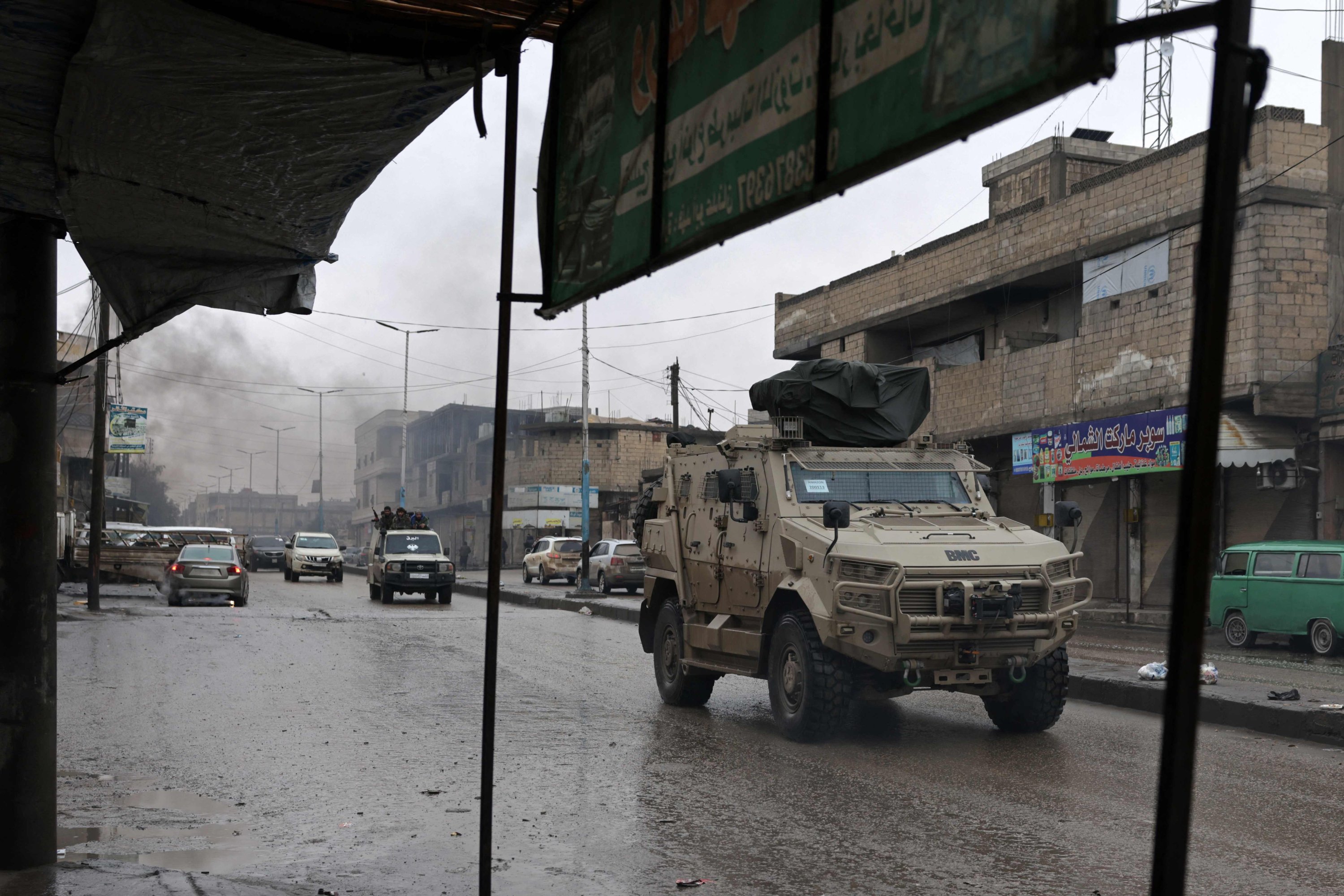
In the previous article, I noted that the Syrian administration would continue on its path with a two-dimensional strategy: on the one hand, managing the process through diplomacy by engaging regional and international actors, and on the other, acting through a sustainable military operation. I stated that the YPG would be forced to comply with the March 10 agreement either through negotiations or as a result of military action. Developments are unfolding in this direction. Last week, the Syrian administration launched an operation in Aleppo against YPG elements, which quickly cleared the terrorists. Subsequently, the Syrian army took control of dozens of settlements west of the Euphrates. It appears that these operations will continue until the requirements of the March 10 Agreement are fulfilled and control is established across the entire country.
Following the March 10 agreement, the Syrian administration exhausted all negotiation channels for 10 months in an effort to ensure that the YPG would comply with the agreement. As Syrian President Ahmed al-Sharaa stated in his interview with Shems TV, when YPG leaders came to Damascus and sat at the table, they appeared to embrace the agreement, but once they returned to northern Syria, they followed instructions from Qandil. They played for time and pursued perception management through regional and extra-regional supporters. By portraying the YPG as stronger than it actually was, they marketed themselves as an indispensable and dominant actor on the ground. They believed that Damascus was obliged to continue negotiations with them. They assumed their status as interlocutors was indispensable. They constantly used the threat that the U.S. and Israel would act if they were attacked.
The YPG sought to control not only Kurdish areas but also cities whose populations are predominantly Arab. It was unwilling to relinquish control over regions containing oil, gas, water and fertile agricultural lands that belong to the Syrian people.
Arab tribes and local actors living in these areas initially remained on the sidelines, observing the circumstances and developments. One reason for this behavior was the YPG’s coercion and pressure through armed force. In addition, some benefited economically from the aid the YPG received from Israel and the U.S. However, in the current phase, it has become clear that they are disturbed by the YPG’s presence. They prefer the sovereignty of the Damascus administration and have stood against the YPG in the clashes.
While lecturing the Damascus administration about inclusiveness and rights, the YPG was displaying an exclusionary, coercive and violent form of governance in the areas under its control, imposing its own ideology. Qandil-directed structures were applying all forms of pressure. Despite this being known, cadres of the Peoples' Equality and Democracy Party (DEM Party) in Türkiye and some politicians and opinion-shapers aligned with them were unwilling to speak about these realities. They did not utter a single sentence about Qandil’s pressure over the YPG. Instead, they constantly repeated the false claim that Türkiye and the Damascus administration were opposed to Kurdish rights.
Developments on the ground, al-Sharaa’s decree regarding Kurdish rights and his clear statements led to the collapse of this perception campaign. It became evident that the YPG did not, as claimed, possess a broad social base, sufficient manpower to deploy on the ground or real military strength. In other words, the image the YPG had long cultivated of being “strong” eroded. As pressure on the ground increased, the gap between rhetoric and actual capacity became visible.
Through both his statements and his actions, al-Sharaa weakened the perception that “the YPG is the sole representative of the Kurds.” By guaranteeing cultural rights based on citizenship, he undermined the YPG’s claim to legitimacy. As of today, the YPG’s bargaining power has weakened. Expectations of external support have not materialized as hoped. The diplomacy conducted by al-Sharaa has produced results. The transfer of resources, especially oil, to the Damascus administration will accelerate the unraveling on the ground. Geographic continuity has now disappeared in the areas the YPG seeks to control going forward. The claim “I am the sole representative of the Kurds” will no longer find sufficient resonance. The Damascus administration has become stronger domestically in terms of political legitimacy and power, and externally in terms of regional balances.