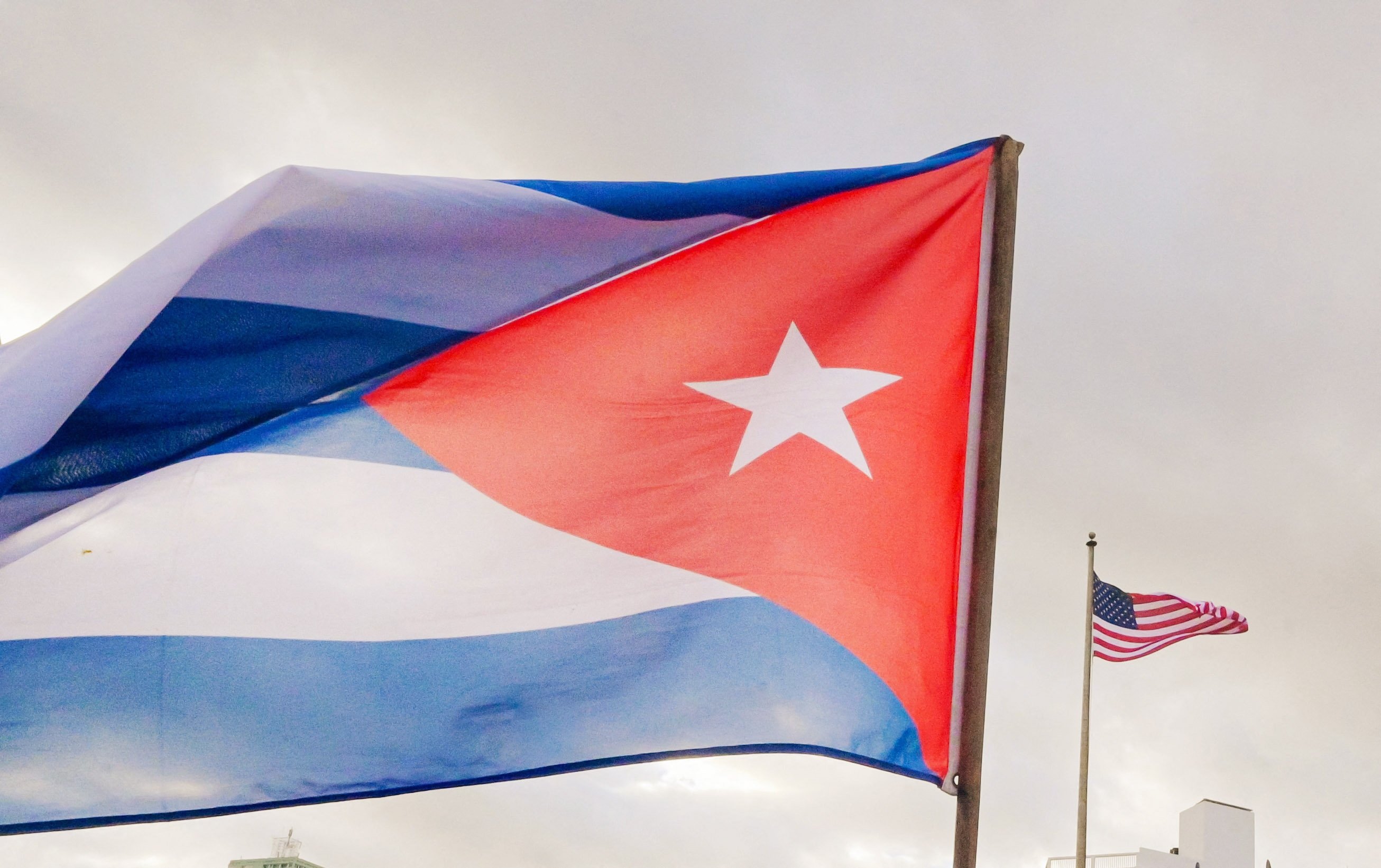
As of 2026, Cuba has entered the most severe strategic siege it has faced since the Cold War. With Donald Trump's return to power, the U.S. policy toward Cuba has hardened, and sanctions imposed, particularly in the energy sector, have pushed the island to the brink of systemic collapse. The U.S. administration has effectively halted oil shipments from Venezuela to Cuba and prevented any circumvention of this embargo by exerting heavy economic pressure on third countries. As a result, electricity production in Cuba has plummeted, industrial production has largely ceased, the food supply chain has collapsed, and a severe humanitarian crisis has emerged in the country.
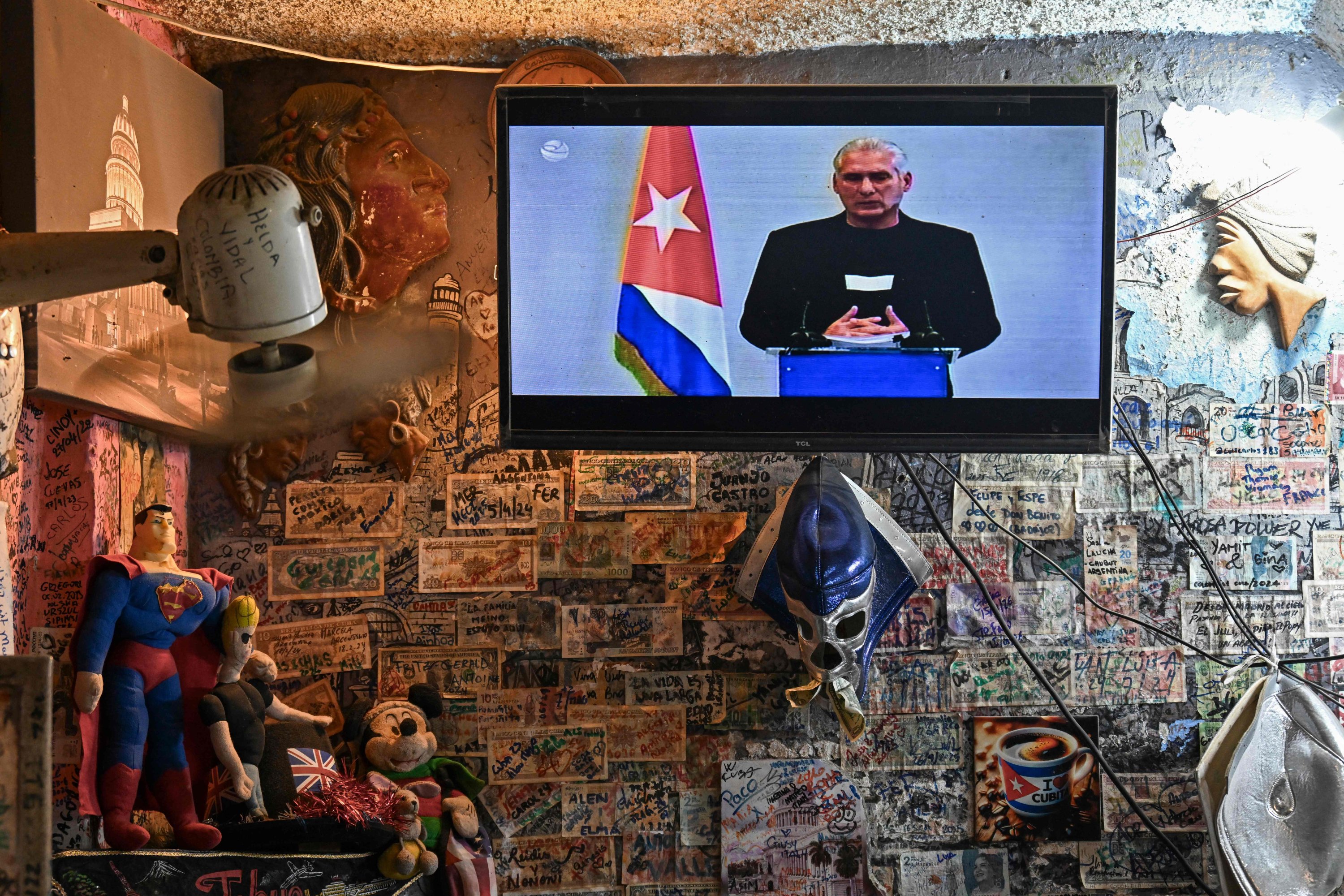
To view this process merely as an embargo would be an incomplete reading. What is at stake is not a classic economic sanction, but a comprehensive siege operation aimed at regime change. Trump's rhetoric contains elements of psychological warfare aimed directly at the Cuban government and people. The constant emphasis on “deal or collapse” seeks to create divisions among the Cuban elite, incite the people against the regime, and undermine the state's security apparatus. This approach is an updated version of the “economic strangulation, internal unrest, diplomatic isolation” doctrine frequently used by the U.S. in the post-Cold War era.
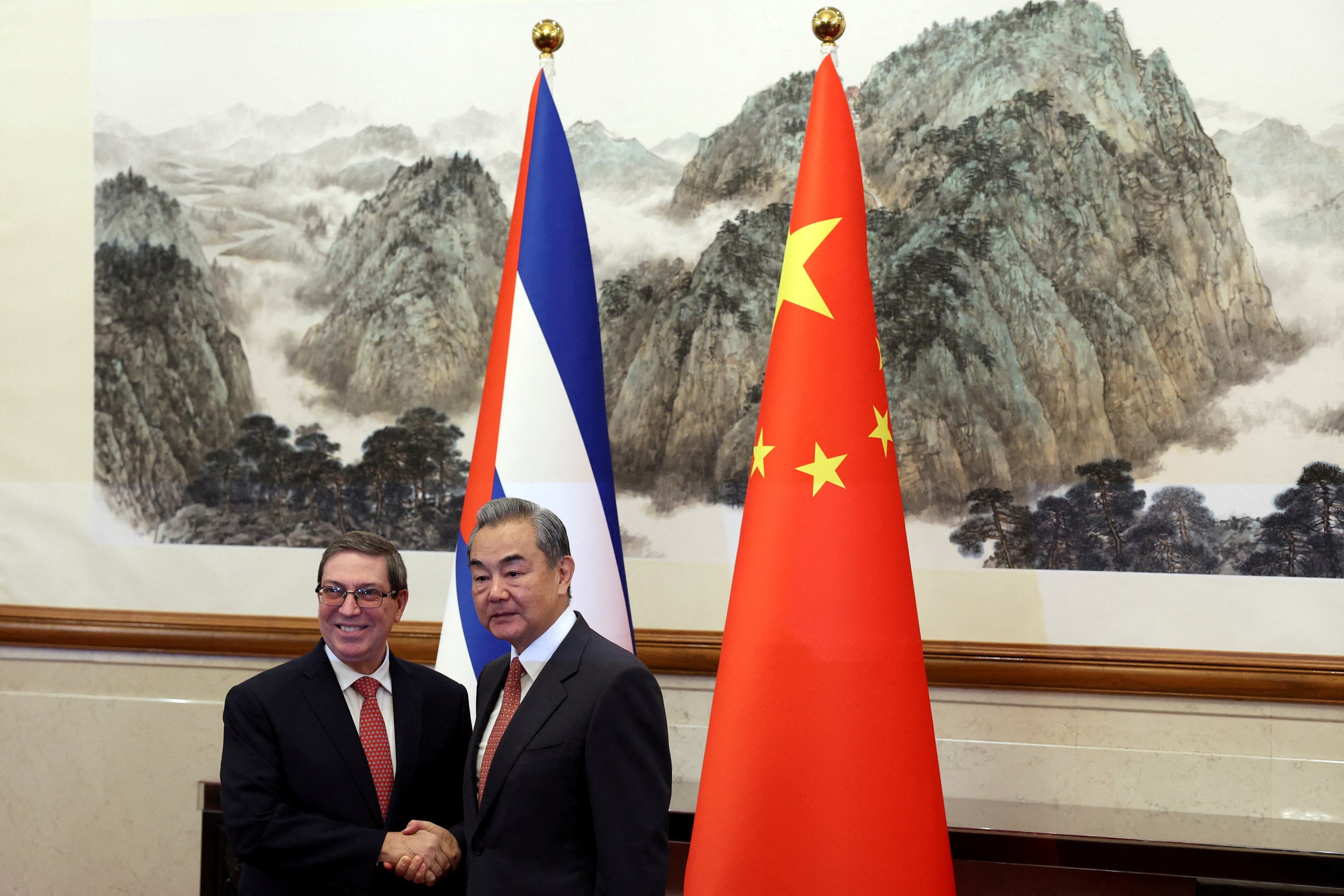
The targeting of Cuba is not coincidental. For Washington, the issue is not just the Havana administration. The real target is to break Chinese and Russian influence in Latin America. Following the economic and political weakening of Venezuela, the direct targeting of Cuba is part of the U.S. strategy to reestablish the Caribbean Basin as an absolute sphere of influence under the Monroe Doctrine. Cuba is a strategic hub for Russia's electronic intelligence activities, China's logistical and commercial networks, and Iran's covert financial channels. Therefore, taking control of the island represents not only a regional but also a global show of force for Washington.
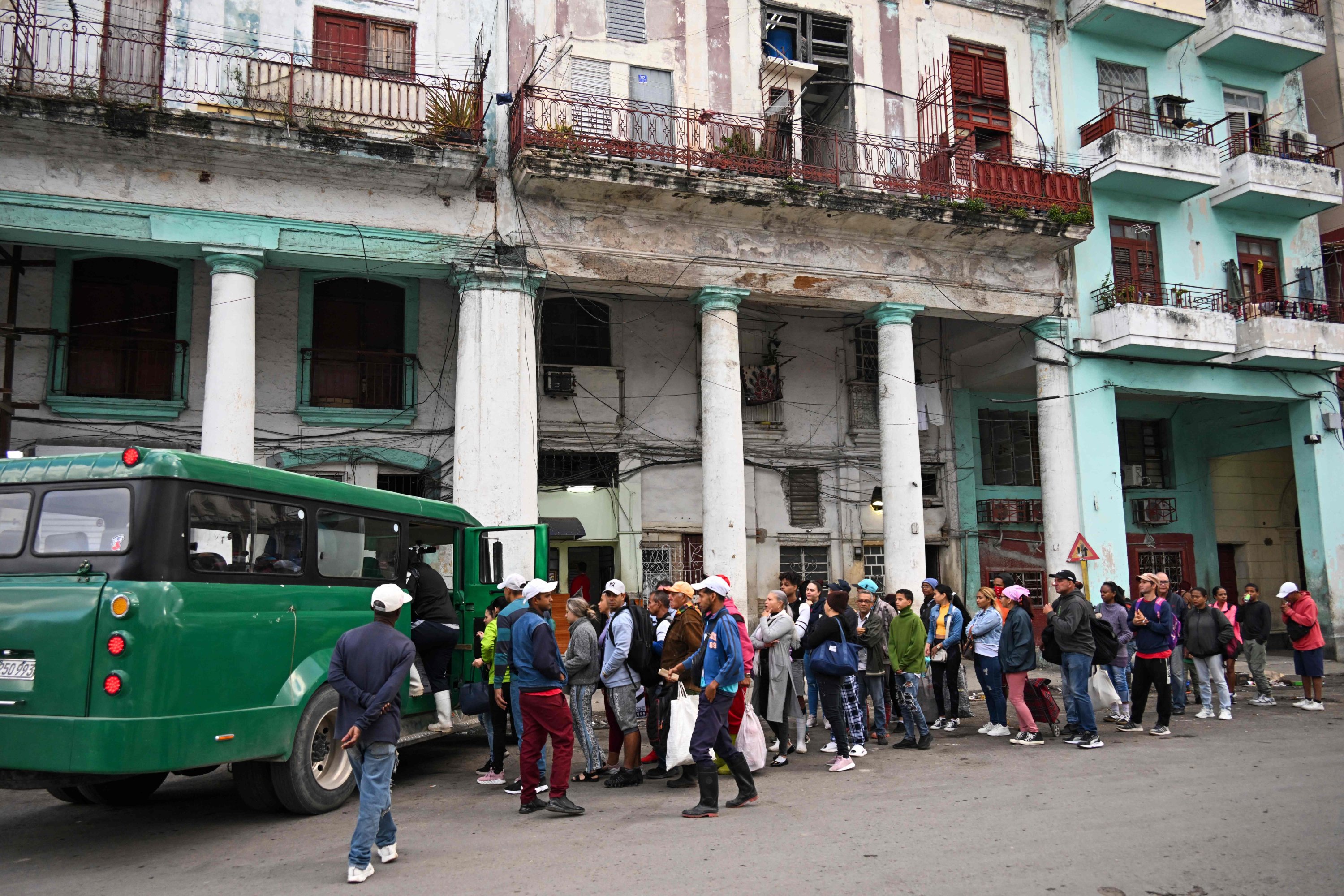
The energy embargo is the most critical element of this siege. Approximately 85% of Cuba's electricity production is based on fossil fuels, and the entire country's infrastructure is dependent on energy continuity. Power outages directly affect not only industry and transportation, but also health, food production, water supply and sewage systems. Therefore, cutting off the energy flow is tantamount to a direct blow to the state's nervous system. Within a short period, widespread blackouts occurred across the country, and living standards dropped dramatically.
The Cuban regime still has certain elements of resistance against this pressure. The army and internal security apparatus are largely loyal to the regime, and the state's intelligence capacity remains effective in maintaining social control. China and Russia provide limited financial and logistical support. However, the regime's areas of vulnerability are much broader.
In addition to the energy and food crisis, the rapidly increasing tendency to emigrate, especially among the young population, threatens the system's long-term sustainability. The fact that approximately 18% of the population has left the country in the last three years presents an alarming demographic and economic picture for Cuba.
Four main scenarios stand out for the next few years. The most likely scenario is a “controlled collapse” model, in which the regime survives without completely collapsing, but under conditions of severe poverty. In this scenario, Cuba survives with limited support from China and Russia, but the people are condemned to long-term economic misery. The second possibility is a split between the party and military elites and the start of a controlled negotiation process with the U.S. The third scenario involves widespread popular uprisings triggered by an energy and food crisis, which would inevitably lead to harsh security measures and a large wave of migration. The fourth and less likely scenario is direct regime change through U.S.-backed hybrid operations.
For Trump, the Cuba issue is not merely a foreign policy move. This process represents a major prestige gain in domestic politics. The dissolution of the Cuban regime could earn Trump the title of the leader who destroyed the last symbolic bastion of the Cold War and provide him with a major political advantage, especially among Cuban American voters in Florida. At the same time, it would send a powerful strategic message to China and Russia on a global scale.
Looking at the overall picture, it is extremely difficult for Cuba to survive in the long term with its current economic and political structure. However, rather than a sudden collapse of the regime, a protracted, exhausting siege process is anticipated. The U.S. is forcing Cuba to slowly but steadily unravel by cutting off energy and financial channels rather than resorting to military intervention. China and Russia, meanwhile, are attempting to balance the process with limited support without entering into direct conflict with the U.S.
However, behind the targeting of Cuba lie not only ideological reasons, but also very concrete geo-economic interests. At the forefront of these interests are nickel reserves. Cuba has one of the largest nickel reserves in the world. According to data from the U.S. Geological Survey (USGS), Cuba's proven nickel reserves are approximately 5.5 million tons. This amount corresponds to approximately 7-8% of the world's total reserves. With this figure, Cuba has one of the world's five largest nickel reserves, following Indonesia, Australia, Brazil and Russia.
Nickel has become one of the strategic raw materials of the 21st century. With the proliferation of electric vehicles in particular, nickel, which is used in the production of high-energy-density lithium-ion batteries, has become the center of global competition. The nickel content in modern electric vehicle batteries can reach up to 60-80%. This shows that nickel is no longer just for stainless steel production but has become a fundamental building block of the energy transition.
According to projections by the International Energy Agency (IEA), global nickel demand will increase by approximately 250% between 2020 and 2035. With electric vehicle production expected to reach 45-50 million units annually by 2030, the nickel demand for batteries required for this production is estimated to rise to 1.5-2 million tons per year. This figure is equivalent to approximately half of the current total global nickel production.
For the U.S., this scenario creates an extremely critical area of vulnerability. The U.S. currently imports more than 50% of the nickel it uses. Its largest suppliers are Canada, Indonesia, Australia and, to a lesser extent, Russia. China controls more than 70% of global nickel refining capacity. This situation poses a strategic dependency risk for the U.S. in terms of its energy transition and electric vehicle industry.
This is where Cuba comes into play. Geographically located only 150 kilometers (93.21 miles) from the U.S., Cuba has large nickel reserves and relatively low extraction costs, making it a strategic potential supply basin for Washington. However, due to the current political structure, these resources are closed to U.S. companies. More importantly, a significant portion of nickel mining projects in Cuba are carried out in partnership with Russian and Chinese companies. This situation is perceived by the U.S. not only as an economic threat but also as a national security threat.
The nickel-cobalt deposits in the Moa region, in particular, are of vital importance to China's battery industry. Chinese companies extract and produce semi-finished products here, feeding the global battery supply chain. Therefore, the pressure on Cuba is not only part of an operation to undermine the regime but also to break China's global dominance in the battery and electric vehicle sectors.
In this regard, the U.S. energy embargo and financial blockade are not only political but also a geo-economic repositioning strategy. The deepening energy crisis is also directly crippling Cuba's mining sector, with nickel production falling sharply. This creates fragility in China's supply chain and strengthens the U.S.'s long-term goal of reshaping this area.
The Cuban government's resilience is increasingly eroding. While the army and security apparatus remain largely loyal to the regime, the social pressure created by the energy and food crisis threatens internal stability. The fact that approximately 18% of the population has left the country in the last three years is not only a demographic alarm but also an indication that the system is entering a crisis of legitimacy. The rapid decline in the young and productive population weakens the possibility of economic recovery with each passing year.
When assessing scenarios for the coming period, the most likely picture is a model of “controlled disintegration” in which Cuba enters a spiral of prolonged impoverishment and economic collapse without experiencing a sudden regime change. China and Russia are likely to keep the regime afloat with limited support, but this support will not be on a scale that will revive Cuba. Rather, it will serve as a buffer to prevent the system from collapsing completely. In contrast, the U.S. will consciously continue this slow erosion by keeping energy, financial and trade channels closed.
For Trump, the Cuba issue carries not only foreign policy significance but also a historical and ideological mission. The dissolution of the Cuban regime will be presented as the fall of the last symbolic bastion of the Cold War and marketed as both a major domestic political victory and a display of global power. However, behind the scenes, the real arena of gain is the global struggle for control over nickel, cobalt, and battery raw materials.
In conclusion, the 2026 Cuba crisis is a multilayered global power struggle at the intersection of ideology, geopolitics, energy security and green transformation. In this struggle, Cuba, despite being a small island nation, represents a critical square on the chessboard of the world's largest economic and military powers. What is happening is not a simple embargo, but the front line of a new generation of geopolitical warfare based on 21st-century strategic resources and supply chains. This siege targets not only Cuba but the entire anti-American axis in Latin America. Cuba, meanwhile, is fighting to preserve its regime and social order by buying time in this major psychological game. However, current conditions indicate that the island will pay a heavy economic and social price over the next decade.