Daily Sabah logo

Politics
Diplomacy Legislation War On Terror EU Affairs Elections News Analysis
TÜRKİYE
Istanbul Education Investigations Minorities Expat Corner Diaspora
World
Mid-East Europe Americas Asia Pacific Africa Syrian Crisis Islamophobia
Business
Automotive Economy Energy Finance Tourism Tech Defense Transportation News Analysis
Lifestyle
Health Environment Travel Food Fashion Science Religion History Feature Expat Corner
Arts
Cinema Music Events Portrait Reviews Performing Arts
Sports
Football Basketball Motorsports Tennis
Opinion
Columns Op-Ed Reader's Corner Editorial
PHOTO GALLERY
JOBS ABOUT US RSS PRIVACY CONTACT US
© Turkuvaz Haberleşme ve Yayıncılık 2025

Daily Sabah - Latest & Breaking News from Turkey | Istanbul

  • Politics
    • Diplomacy
    • Legislation
    • War On Terror
    • EU Affairs
    • Elections
    • News Analysis
  • TÜRKİYE
    • Istanbul
    • Education
    • Investigations
    • Minorities
    • Expat Corner
    • Diaspora
  • World
    • Mid-East
    • Europe
    • Americas
    • Asia Pacific
    • Africa
    • Syrian Crisis
    • Islamophobia
  • Business
    • Automotive
    • Economy
    • Energy
    • Finance
    • Tourism
    • Tech
    • Defense
    • Transportation
    • News Analysis
  • Lifestyle
    • Health
    • Environment
    • Travel
    • Food
    • Fashion
    • Science
    • Religion
    • History
    • Feature
    • Expat Corner
  • Arts
    • Cinema
    • Music
    • Events
    • Portrait
    • Reviews
    • Performing Arts
  • Sports
    • Football
    • Basketball
    • Motorsports
    • Tennis
  • Gallery
  • Opinion
    • Columns
    • Op-Ed
    • Reader's Corner
    • Editorial
  • TV
  • Opinion
  • Columns
  • Op-Ed
  • Reader's Corner
  • Editorial

US vs. global public opinion: Pakistan example

by Imran Jan

May 06, 2022 - 12:05 am GMT+3
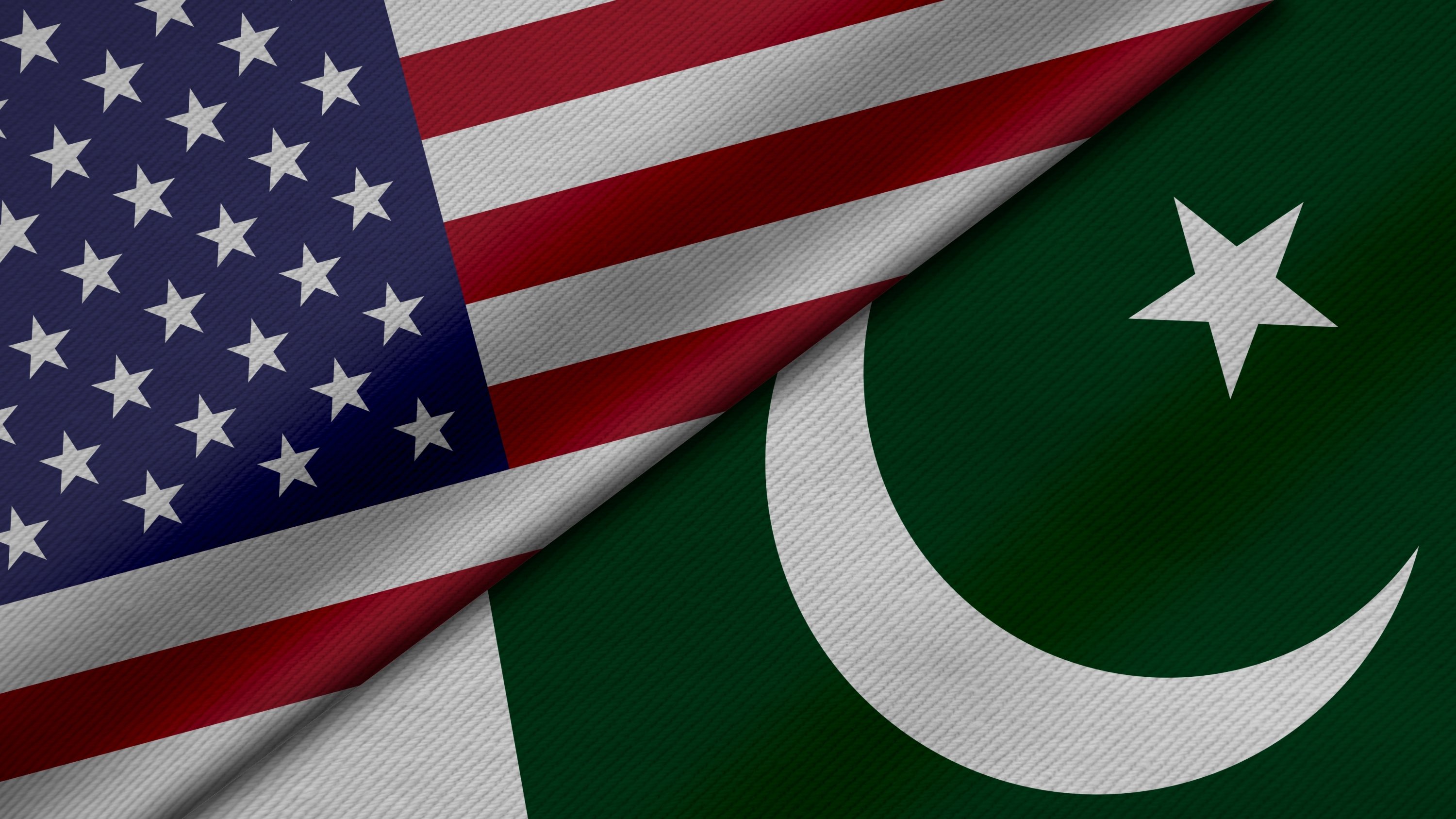
The flags of the United States and Pakistan. (Photo by Shutterstock)
by Imran Jan May 06, 2022 12:05 am

Considering the U.S. affairs in Pakistan, siding with the wrong superpower has never served Islamabad. The present is no exception

Prominent American linguist Noam Chomsky, in his book “Hegemony or Survival,” says that there are two major superpowers in the world: the United States and the global public opinion. Global public opinion sees the U.S. as the major threat to world peace, while the U.S. sees public opinion as nothing more than a nuisance in its quest to pursue national interests. Both are always at work quite aggressively; one in the dark and the other in the limelight. Siding with either one leads to supercharged problems. That is what Pakistan is facing nowadays.

The year 2011 was quite a busy and important year regarding the relations between the U.S. and Pakistan’s establishment. The year started with the Raymond Davis affair. The summer season that year kicked off with the Osama bin Laden raid. Midway into the fall came the Salala incident and the juicy Memogate scandal. All this while the Blackwater operations were full throttle manifesting a daunting existence in everyday Pakistani lives, actually deaths. While the year doubtlessly was quite bumpy when it came to the relations between the U.S. and Pakistan's establishment, the fact remained that the Pakistani public opinion moved toward more sympathy and respect for the Pakistan Army. Needless to say, the public opinion regarding the U.S. was filled with hatred and anger. Needless to say also that the U.S. didn’t care.

I remember how endless articles and books critical of the Pakistan Army dominated the literature about Pakistan at the time. Pakistan being a hard country, the most dangerous country and how the Inter-Services Intelligence (ISI) was such a destructive and manipulative intelligence agency was the narrative from the mainstream publishing and broadcast industries. Authors such as Steve Coll, Daniel Markey, John Schmidt, Christina Lamb, C. Christine Fair, and others who raised the accusing finger at Pakistan for a living were high in demand. Pakistan bashing had become a habit and there literally was nobody on the scene who could provide a counter-narrative. It was therapeutic to see the Pakistan Army standing up to that global habit of treating Pakistan as a punching bag. That may have changed.

U.S.-led regime change?

Today, despite public denials by the United States of playing any role in the regime change in Pakistan, the superpower country is once again finding itself in a strong conflict with the Pakistani public opinion. It wouldn’t be an exaggeration to state that the current public opinion inside Pakistan would find the U.S. as a bigger enemy than India. The Pakistani establishment is viewed by many as not resisting the alleged U.S. regime change in Pakistan. The veracity of that could be argued but the enraged public opinion as a result of that belief cannot be.

What is different this time in the enraged public opinion against the U.S. role in Pakistan is that the people do not see the establishment as this institution standing up against the mighty America. That could be a threat for the country but more so for the establishment in itself because whenever the U.S. decides to flip the switch, which it would when the time comes, it would use this public opinion against the establishment to its advantage. With a perfect sleight of hand, the U.S. may just have achieved not only a regime change but also a public mood turned against the very institution that usually resisted the aggressive U.S. moves. The U.S. doesn’t care about and is not much impacted by any negative public opinion anywhere in the world but a national army that otherwise is loved and respected cannot afford to turn its own people against itself.

A step back to look at the bigger picture may just reveal that there perhaps could have been a larger goal here. The U.S. goal had been in conflict with what the people in Pakistan wanted and former Prime Minister Imran Khan got in the way of that U.S. urge. Joining the wrong superpower has never served Pakistan. The present is no exception.


About the author
U.S.-based political analyst
The views and opinions expressed in this article are solely those of the author. They do not necessarily reflect the editorial stance, values or position of Daily Sabah. The newspaper provides space for diverse perspectives as part of its commitment to open and informed public discussion.
  • shortlink copied
  • KEYWORDS
    pakistan-us relations imran khan superpowers world politics
    The Daily Sabah Newsletter
    Keep up to date with what’s happening in Turkey, it’s region and the world.
    You can unsubscribe at any time. By signing up you are agreeing to our Terms of Use and Privacy Policy. This site is protected by reCAPTCHA and the Google Privacy Policy and Terms of Service apply.
    No Image
    Türkiye-made flagship is also world's 1st UAV carrier
    PHOTOGALLERY
    • POLITICS
    • Diplomacy
    • Legislation
    • War On Terror
    • EU Affairs
    • News Analysis
    • TÜRKİYE
    • Istanbul
    • Education
    • Investigations
    • Minorities
    • Diaspora
    • World
    • Mid-East
    • Europe
    • Americas
    • Asia Pacific
    • Africa
    • Syrian Crisis
    • İslamophobia
    • Business
    • Automotive
    • Economy
    • Energy
    • Finance
    • Tourism
    • Tech
    • Defense
    • Transportation
    • News Analysis
    • Lifestyle
    • Health
    • Environment
    • Travel
    • Food
    • Fashion
    • Science
    • Religion
    • History
    • Feature
    • Expat Corner
    • Arts
    • Cinema
    • Music
    • Events
    • Portrait
    • Performing Arts
    • Reviews
    • Sports
    • Football
    • Basketball
    • Motorsports
    • Tennis
    • Opinion
    • Columns
    • Op-Ed
    • Reader's Corner
    • Editorial
    • Photo gallery
    • DS TV
    • Jobs
    • privacy
    • about us
    • contact us
    • RSS
    © Turkuvaz Haberleşme ve Yayıncılık 2021