During the Paris Peace Conference, the victorious powers demonstrated their lack of genuine commitment to peace by approving the Greek occupation of Izmir before the negotiations had even ended. In response to this, the rally that began in Izmir was followed by rallies in Denizli, Kastamonu, Giresun, Trabzon, Zonguldak, Sivas, Bursa, Erzurum, Izmit and, of course, the capital city of Istanbul. Residents of Istanbul, led by the Turkish Associations, took action to organize demonstrations against the occupation.
At the protest in Istanbul, Halide Edip said: "Today we have no guns or rifles, but we have a weapon greater and more powerful than that. Guns and rifles fall, but justice and God remain. We have sons and mothers who will spit in the face of the cannon, and in our hearts, we have love, faith and national sentiment. We have proven that we are a nation worthy of the name, down to our men, women and even our children." At the rallies in Istanbul, Meliha Hanım and Sabahat Hanım, alongside Halide Edib, were among the speakers who took a stand against the occupation with their powerful speeches. Turkish women would demonstrate their stance against the unjust occupations following the Armistice of Mudros with a much larger group than in Kastamonu.
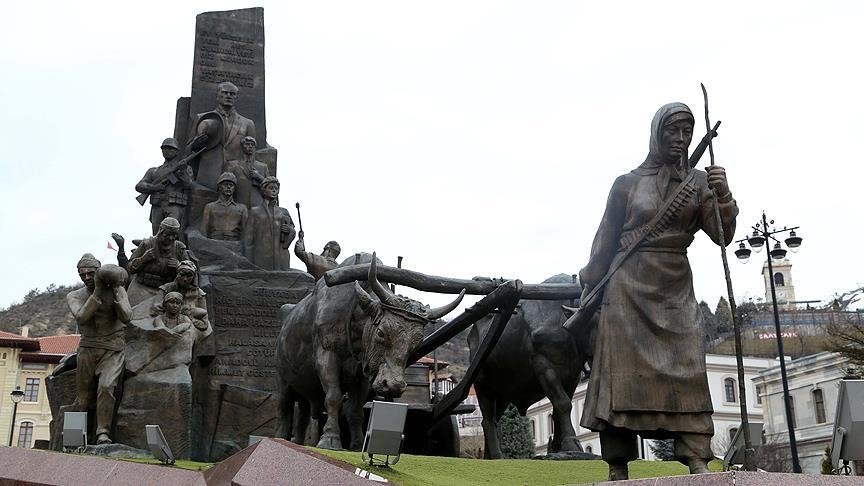
The difference between the Women's First Rally and previous protests was that it was the first demonstration organized, addressed and attended exclusively by women. Kastamonu, where this rally of approximately 3,000 women took place, is in a very strategic location. Istanbul, being under the control of foreign powers, necessitated finding a new route for ammunition shipments. Kastamonu, with its connections to both Ankara and the Black Sea, became a key point in the National Struggle, and this route would be called the “Road to Independence.” Since the province sent all its men to the front, the task of transporting ammunition was carried out by women. Women took on one of the most crucial tasks in ensuring the continuity of the National Struggle by transporting ammunition with their carts along this route.
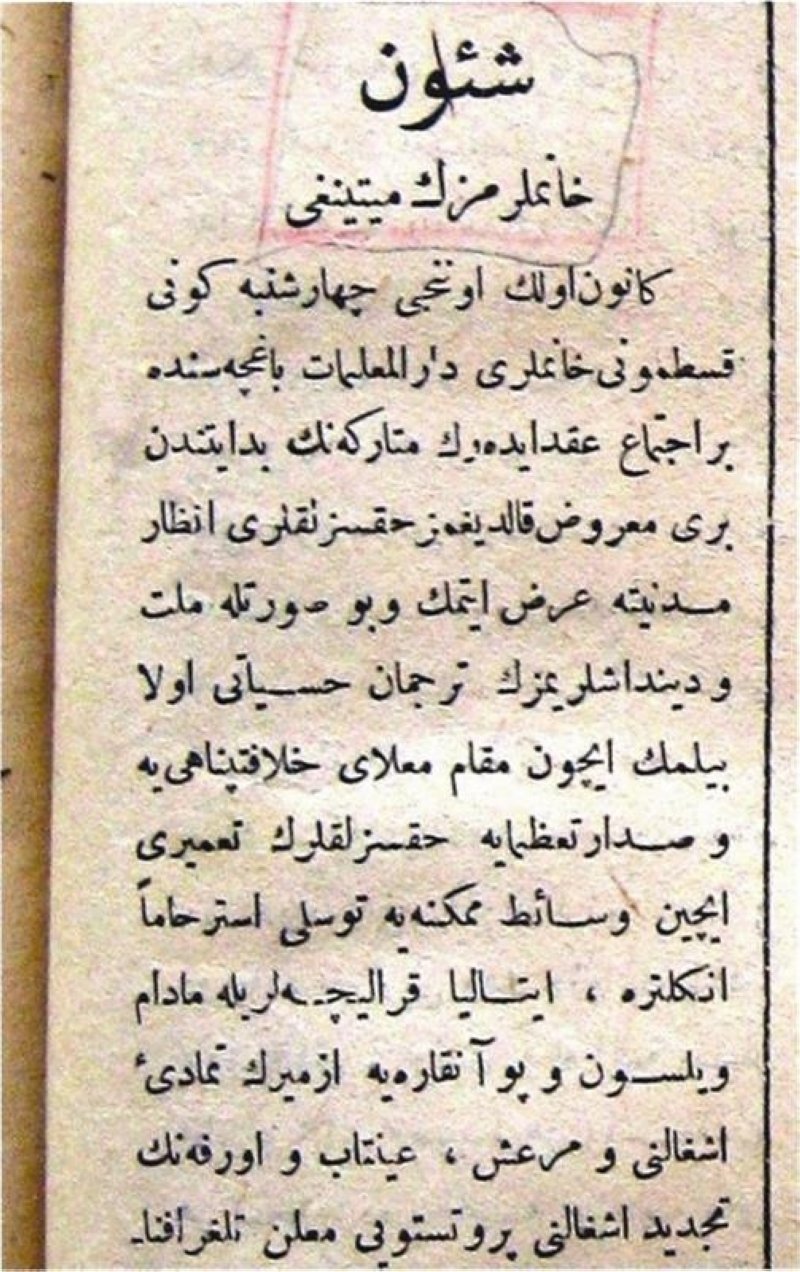
Women living in the center of Kastamonu established the Women's Branch of the Defense of Rights Society. Later, the members of this society made history by organizing an event that was a first in the National Struggle and also holds an important place in Turkish women's history. To protest the occupation, they held a rally in the garden of the Girls' Teacher Training School on Dec. 10, 1919, with the participation of about 3,000 women from the countryside and the city.
Prior to this rally, a Rally Organizing Committee was formed. This committee included: Zekiye Hanım (wife of Police Chief Halil Bey) as chair, Saime Hanım (wife of Health Director Dr. Ferruh Bey), Neyyire Hanım (daughter of Regency Director Ömer Bey), Münire Hanım (wife of Provincial Correspondent Fuat Bey), Kâmuran Hanım (wife of Treasurer Ferit Bey), Bedriye Hanım (wife of Education Director Talat Bey), and Refika Hanım (daughter of Colonel Osman Bey).
At this rally, attended by approximately 3,000 women, the ladies of Kastamonu protested the injustices, oppression and occupations that had been taking place since the Armistice of Mudros. They emphasized that ridding the Turkish homeland of occupiers was a human rights requirement and that, for this reason, the occupiers must immediately vacate the country.
At the rally, many gave speeches under a black flag. In accordance with the decisions taken at the rally, telegrams were sent to the sultan, the grand vizier, and the wives of the leaders of the Allied powers. The telegrams were written in diplomatic language by the ladies mentioned in the committee. In her speech at the rally, Zekiye Hanım conveyed her thoughts as follows: "Ladies! In the face of our great calamities, shall we remain silent about the occupation of our homeland, watered with the blood of our children and brothers, and the misfortune of our brothers? No, ladies! We are defeated. We have no weapons, but we have faith in our hearts and our God, who created the whole world. So, based on our faith and our God, we will confront them with their injustices and demand the justice they proclaim before the world. Ladies! We will not appeal to the men who have drenched the world in blood and slaughtered people like chickens. We will appeal to the great women of the Allied nations, whom we have no doubt think with compassion and mercy like us, and we will write and explain the injustices done to us in telegrams. If they do not acknowledge our rights either, we will mix our blood with that of our children, stand shoulder to shoulder with our men, and die for our religion and independence."
The women who filled the garden of the Girls' Teacher Training School tried to make their voices heard at this rally against the unjust occupation of their homeland.
Since the days of Turkestan, Turkish women have stood shoulder to shoulder with men and have never shied away from struggles, fulfilling their duties both behind the front lines and on the battlefields. Today, as we celebrate its 106th anniversary, marking the first women's rally in the world that was organized, addressed, and attended exclusively by women, this movement is commemorated and passed on to future generations through programs held every year on Dec. 10 in Kastamonu.