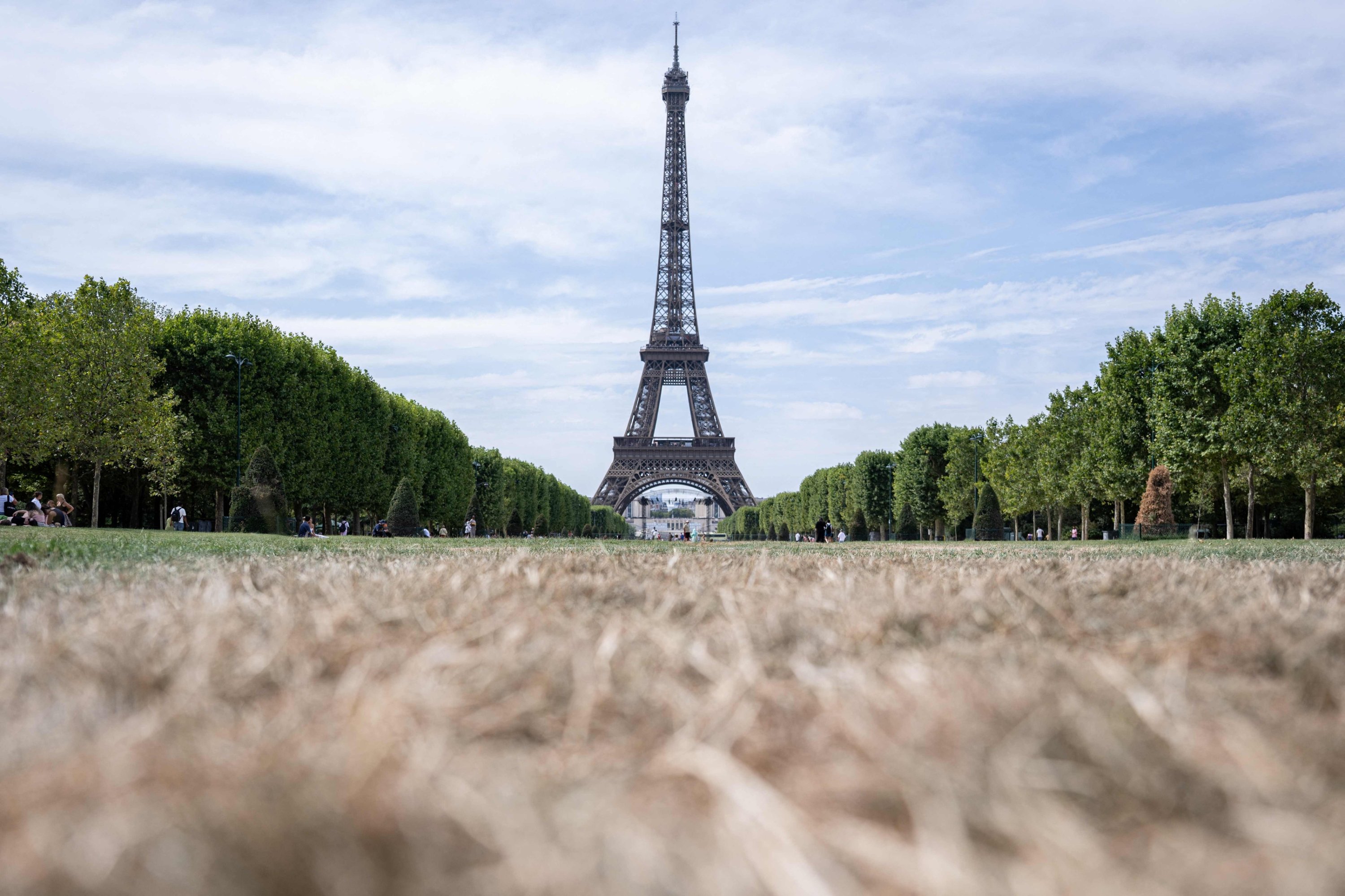
Europe has always seen itself as well equipped to deal with crises. It has some of the world's strongest health care systems, advanced infrastructure and well-funded emergency services. Yet this summer, even Europe struggled.
The latest heatwave pushed temperatures above 40 degrees Celsius (104 degrees Fahrenheit) in several countries. Wildfires spread across parts of southern Europe. Rivers shrank. Hospitals faced growing numbers of patients suffering from heat-related illnesses. Electricity demand surged as millions turned on air conditioning at the same time. What unfolded was not simply another hot summer. It was a reminder that extreme heat has become a threat to national resilience.
The human cost was staggering. More than 10,000 excess deaths were recorded across 27 European countries during the late June heat wave. More than 9,000 of those who died were over the age of 65. Scientists concluded that such an event would have been virtually impossible without human-driven climate change. Western Europe also recorded its hottest June since records began, while Europe as a whole experienced its second warmest June on record.
These figures deserve more than a passing mention in the weather forecast. They should force governments to rethink how they define security.
For years, climate change has largely been treated as an environmental issue. The debate has focused on carbon emissions, renewable energy and international climate targets. Those issues remain important. Yet they tell only part of the story. Extreme heat is no longer just an environmental challenge. It is becoming a geopolitical one.
The effects reach far beyond rising temperatures. Heat slows economic activity because construction workers, farmers and factory employees cannot safely work for long periods outdoors. Electricity grids come under pressure as demand for cooling rises. Water shortages become more severe. Agricultural production declines and food prices rise. Hospitals become overwhelmed during prolonged heatwaves while governments face growing pressure to spend more on emergency response instead of long-term development.
The recent heat wave exposed these pressures across Europe. Schools closed in several countries. Transport networks faced disruption. Wildfires threatened communities from Spain to Greece and even areas close to Paris. Firefighters were stretched. Emergency services worked around the clock. These are no longer isolated disasters. They are becoming recurring tests of national capacity.
The consequences do not stop at Europe's borders. Extreme weather affects global food markets and energy demand. It disrupts supply chains and increases insurance costs. Countries that rely on imported food or energy become more vulnerable to price shocks. In many parts of the world, prolonged drought and water scarcity are already contributing to displacement and instability. Climate stress increasingly acts as a multiplier of existing political and economic problems.
Recent figures from individual countries underline the scale of the challenge. Germany's public health institute estimates that more than 5,000 people have already died from heat-related causes this year. In England and Wales, researchers estimate that around 2,700 people died during the heatwaves in May and June. They found that more than 40% of those deaths were linked to human-caused climate change.
None of this suggests that climate change replaces traditional security threats. Wars, terrorism and geopolitical rivalry will continue to shape international affairs. What has changed is that climate risks now influence all of them. A military is less effective when soldiers train under dangerous temperatures. Economies become less productive during prolonged heatwaves. Governments under financial strain have fewer resources to invest in defense, health care and infrastructure. Security today is not only about protecting borders. It is also about protecting societies from risks that can quietly undermine their resilience.
The response must reflect this new reality. Adaptation deserves the same political attention as emissions reduction. Countries need stronger electricity grids, more resilient infrastructure, better urban planning and effective early warning systems. Heat resilience should become part of national security planning rather than remain the responsibility of environment ministries alone.
Europe's experience this summer should not be dismissed as an exceptional season. It should be seen as a warning. If some of the world's wealthiest and best-prepared societies can lose more than 10,000 people during a single period of extreme heat, then no country can assume it is immune. Climate change is no longer only an environmental challenge. It has become one of the defining geopolitical issues of our time.