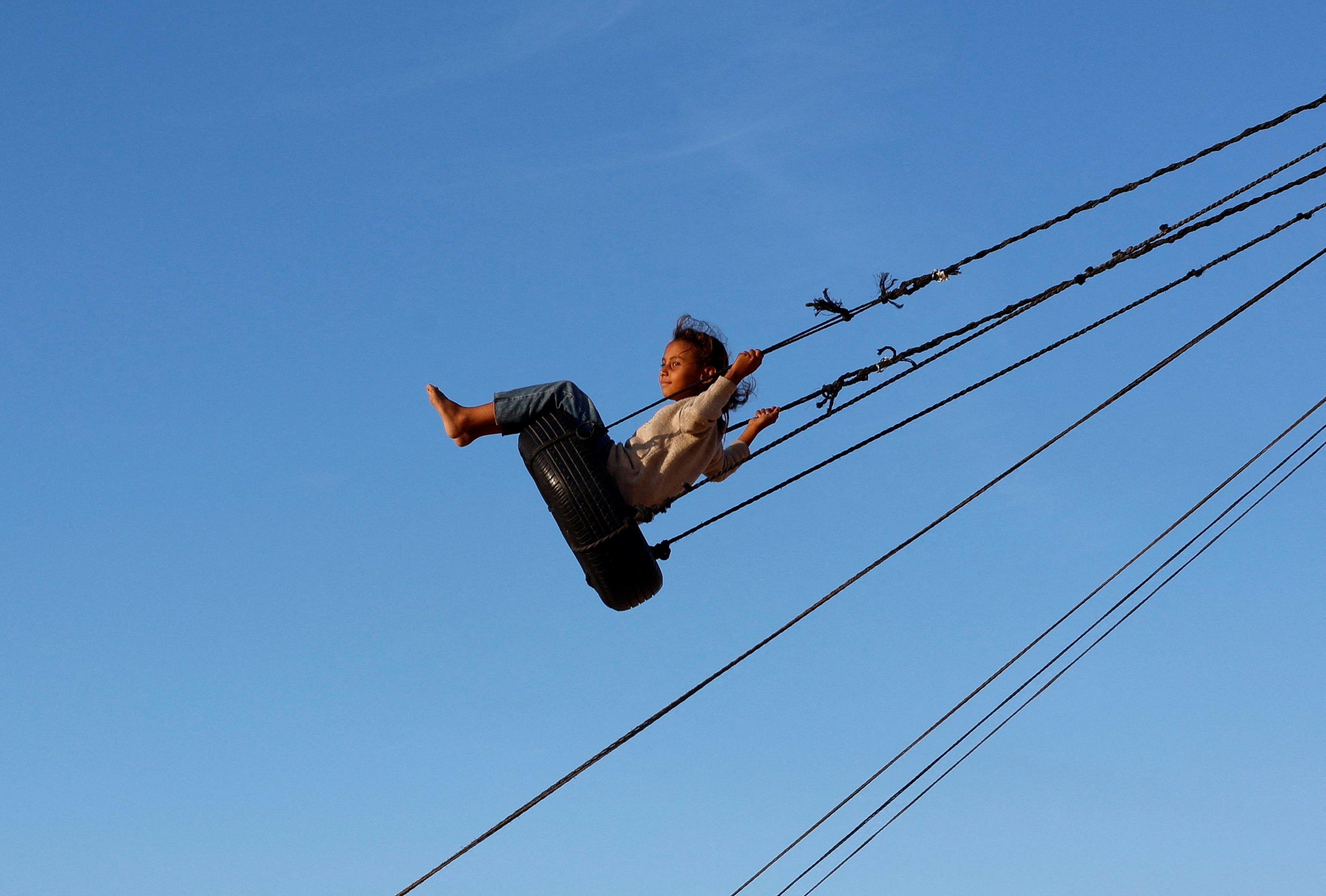
Power, as we all observe, is the force that governs all others. It seizes the human spirit like a curse from the earliest years of life. Those who fail to master this force inevitably become its archetypes. It whispers constantly, urging, “You must be alone.” Yet, no one can truly be alone. Such sinister counsel leads only to ambition and servitude. As J.R.R. Tolkien told in The Lord of the Rings series, power is a poison that transforms the strongest minds into slaves.
The irony, however, lies in the fact that while everyone understands the concept of power, no one is willing to share it.
Humanity has wrestled with power since the dawn of time – sometimes quietly, sometimes loudly. Regardless of its form, the outcome remained unchanged. Every story that began with power – be it individual, institutional or societal – ultimately ended in wars. Wars that never had true victors. And always, the greatest casualties were children.
In his 1940 book “The Problem of Pain,” C.S. Lewis observed, to be a child is to be vulnerable, to be at the mercy of others. This truth becomes starkly evident in times of war when children’s inherent vulnerability is laid bare. As conflict erupts, they find themselves at the mercy of the merciless, caught in a relentless cycle of fear. In this grim cycle, the fortunate survive; the rest lose their lives or succumb to illness.
According to UNICEF, over 400 million children currently live in zones afflicted by war or violence – 400 million young lives trapped in chaos. Since 2014, more than 100,000 children have died in conflict zones. Watchdog reports keep sounding the alarm with horrible statistics. In the ongoing Russia-Ukraine war alone, nearly 2,000 children have been reported dead or injured. In Gaza, the child death toll has reached an unimaginable 17,000. We are talking about a catastrophe, a mass murder of innocence here.
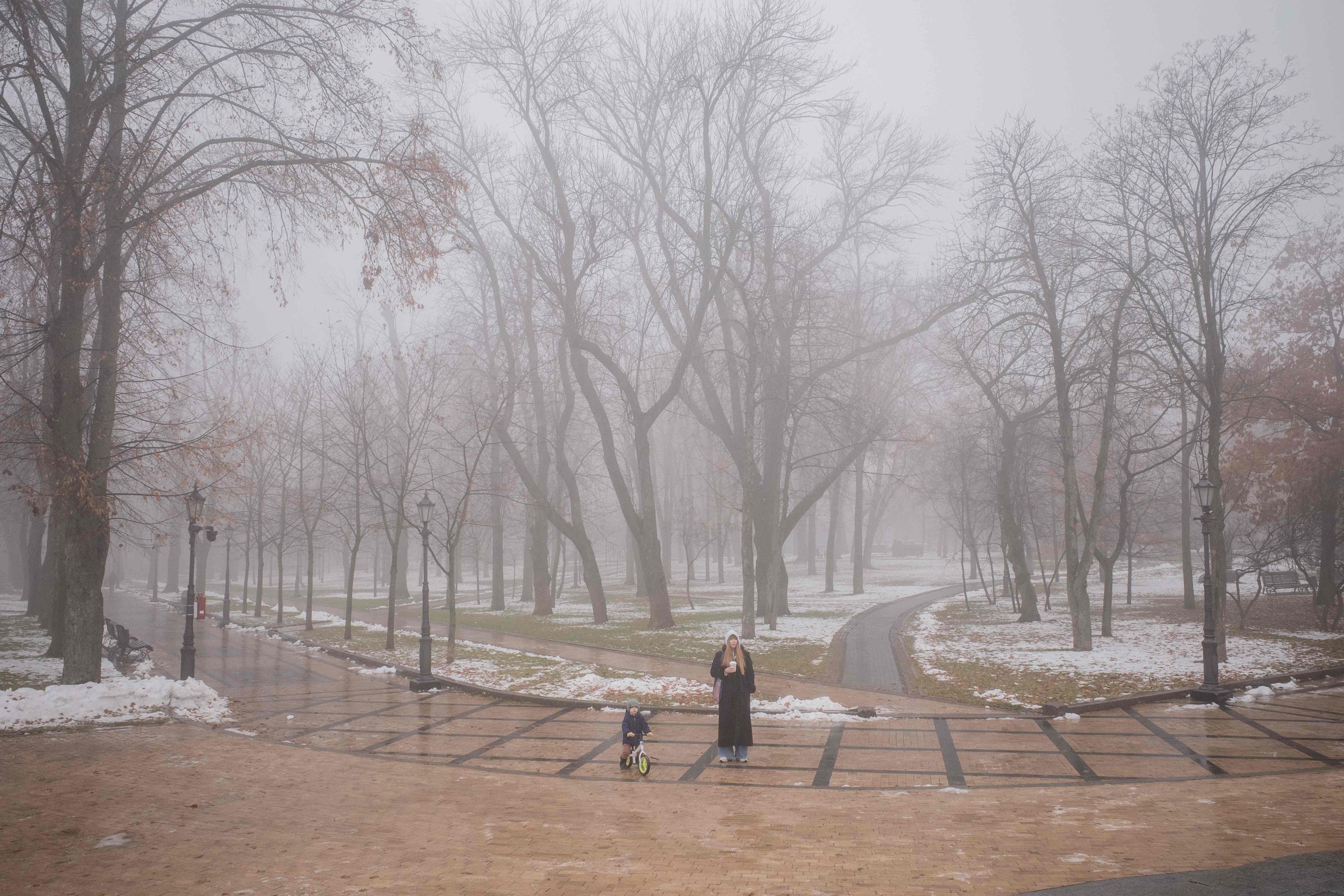
Beyond death, war inflicts countless other devastating consequences on children, with displacement being among the most profound. Millions of children and families are right now uprooted from their homes. They have become refugees, caught between borders, living in makeshift tents or overcrowded camps. The basic right to belong is stolen from them. Displacement is not just a physical movement; it’s the erosion of identity, the breaking of bonds.
Today, as Syrians have begun returning to their homeland after the fall of the Assad regime, the scars of displacement linger.
Years ago, in Istanbul, I met Layla, an 8-year-old girl who had fled Aleppo. She sat alone in a park, her eyes reflecting an awareness far beyond her years. War had stolen her childhood, and I could feel its weight in her presence.
Two moments with Layla still haunt me. The first was when I asked how she was, and she replied, “I don’t know anymore.” The second was when she said, “My mom used to tell me stories about the stars, but now, everything is broken.”
Layla’s mother was gone, and the place she once called “home” had become unrecognizable. She was a little kid, a kid in pain.
The United Nations High Commissioner for Refugees (UNHCR) has highlighted the scale of the displacement crisis for the kids. Between 2010 and 2023, the number of children displaced by conflict and violence more than doubled, surging from 18.8 million to 47.2 million. During this period, over 2 million children were born as refugees between 2018 and 2023 alone.
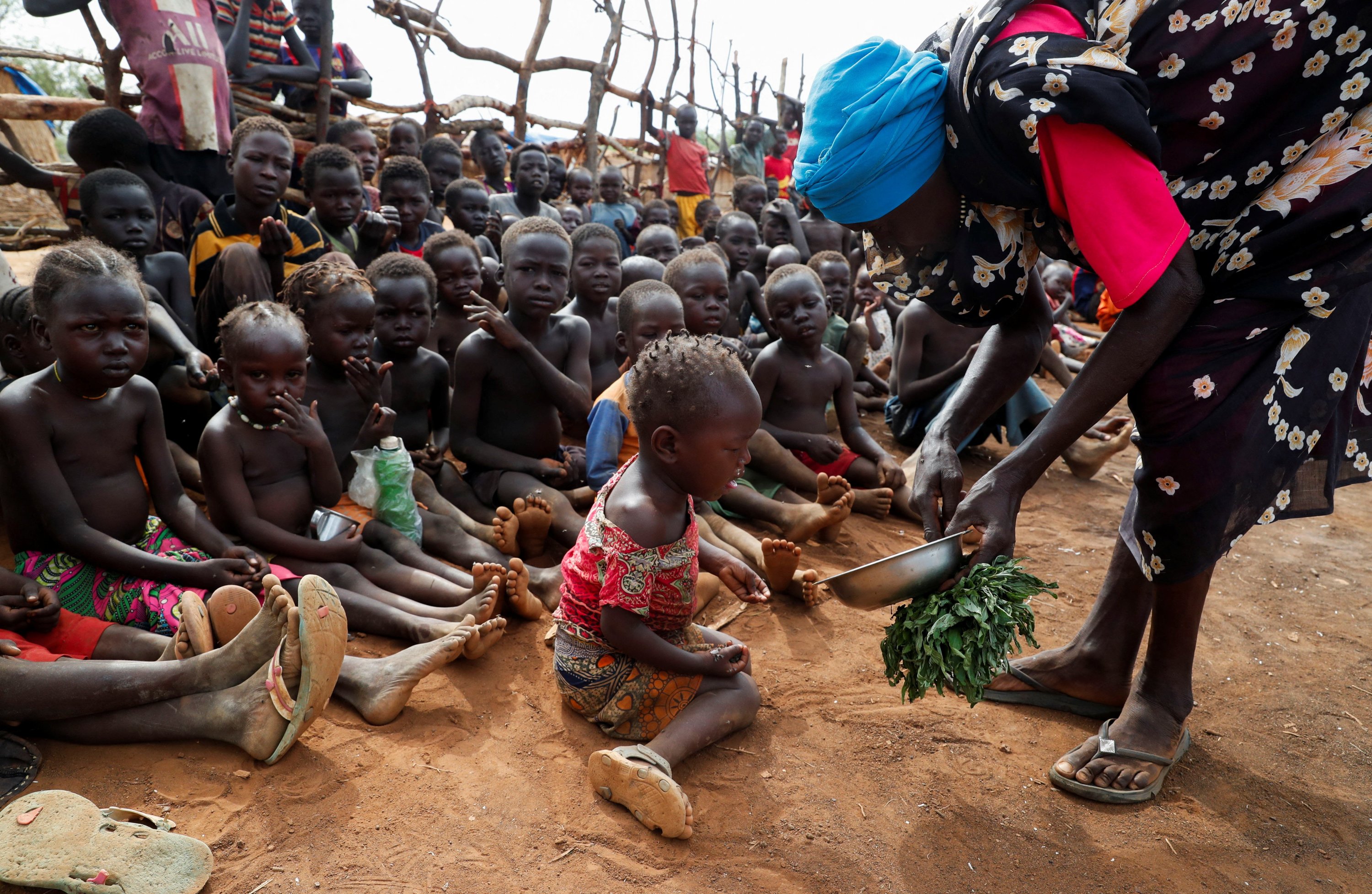
For those who escape displacement, hunger often becomes their greatest tormentor. In war zones, where infrastructure is destroyed and economies collapse, food becomes scarce. Families scrape by on whatever scraps they can find, but children bear the heaviest burden. Their pain goes beyond empty stomachs – they starve for hope. Lack of nourishment doesn’t just weaken their bodies; it breaks their spirit, making it harder to keep going.
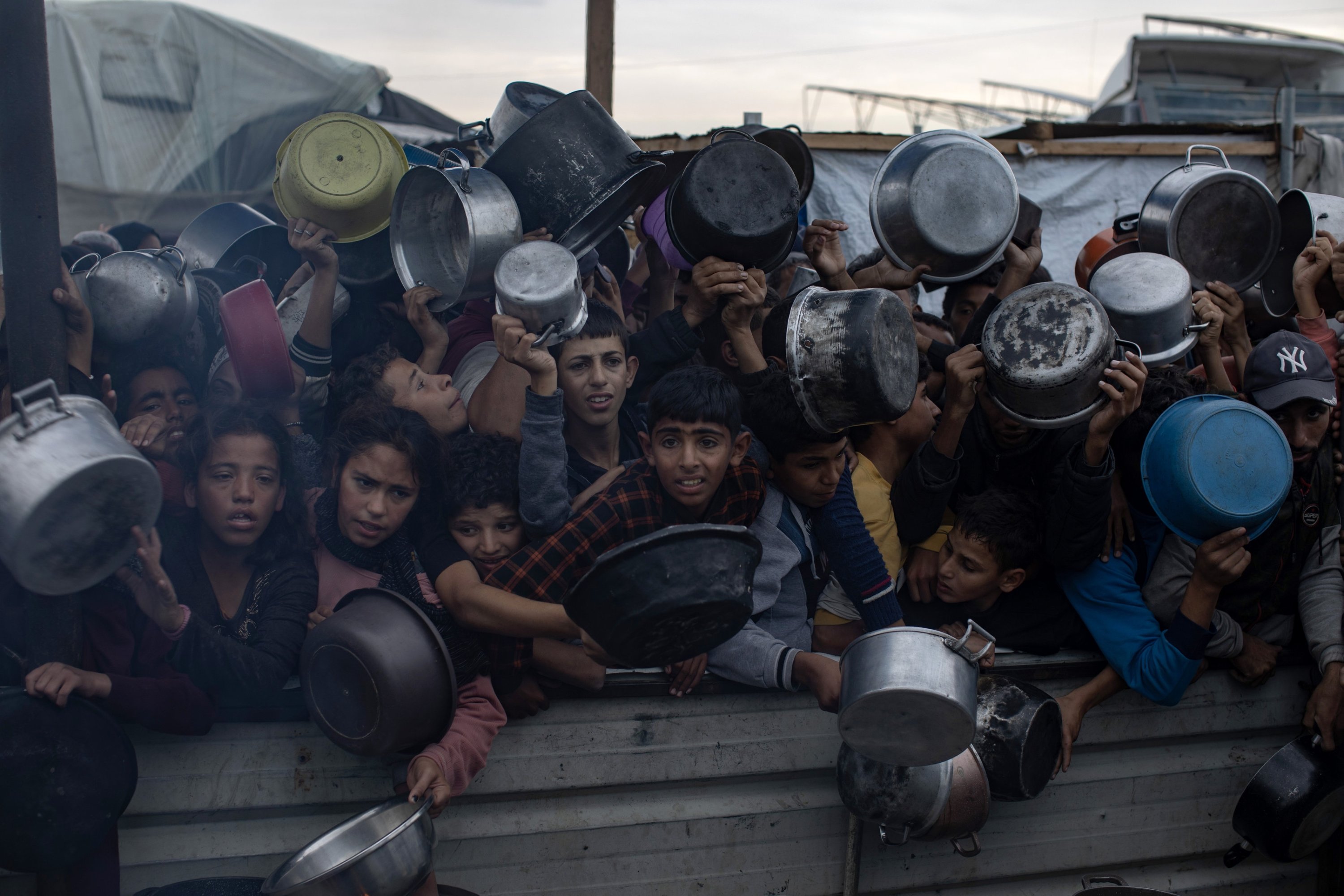
Save the Children, an international nongovernmental organization based in London, revealed that, “153 million children around the world are facing food insecurity,” and “1 in 5 deaths among children under the age of 5 is attributed to severe acute malnutrition.” Their report has shown that “up to 45 million children are facing acute malnutrition worldwide right now, with at least 13.7 million severely acutely malnourished.” Alarmingly, “around 80% of these children currently cannot access the treatment they need to recover.”
If children are not killed, displaced or left to starve in war zones, they face another battle: the fight against illiteracy. With schools shuttered, teachers absent and education a distant dream, children are left without the means to change their circumstances. Denied access to knowledge, they are trapped in a vicious cycle. They are left behind. Their potential is wasted.
According to a study by the Global Coalition for Protecting Education from Attack, an inter-agency coalition formed in 2010, “From 2022 to 2023, there were 6,000 attacks against students, professionals and educational institutions, including 1,000 cases of military use – an average of eight per day.” The U.N. reported a “20% increase in the previous two years,” with “more than 10,000 students and educators believed to have fallen victim to these assaults.”
As UNICEF Executive Director Catherine Russell noted, “Nearly all children in Gaza and Sudan, and many others in Haiti and the Democratic Republic of Congo, are also out of school due to war and violence.” The destruction of education is equally severe in Ukraine, where “thousands of schools have been damaged or destroyed since the escalation of the war in 2022,” UNICEF reported.
Psychological trauma is yet another dimension. Witnessing violence leaves invisible and deep scars. Young victims forever brace for the next explosion, the next attack. Unable to express the depth of their pain, these children are stuck in a state of anxiety, depression and post-traumatic stress disorder (PTSD). Bedwetting, nightmares and difficulty falling asleep are common. Their relationships with loved ones become strained, unable to offer the comfort they so desperately need.
According to the World Health Organization (WHO), up to 50% of children living in conflict zones suffer from some form of trauma or mental health disorder. The effects of these traumas are not just temporary. The American Psychological Association (APA) has highlighted the long-term impact on children, especially in war-weary countries like Ukraine, where the ongoing Russian invasion has left children facing immediate and lasting psychological damage.
A study published in The Nature has revealed the vulnerability of children aged 0-18. This age group is particularly susceptible to stress due to their ongoing cognitive and neurological development. Early life stress (ELS) disrupts healthy development and can have lifelong consequences. Post-war mental health disorders affect up to one-third of those directly exposed to trauma. In the aftermath of war, the cycle of trauma continues.
Friedrich Nietzsche once said, “The will to power is the fundamental principle of reality.” The reality remains unchanging and is likely to stay that way. The human struggle begins with the pursuit of power and ends in war, with children bearing the ultimate cost. In war-torn regions, kids either lose their lives or are condemned to endure the lasting scars of violence.
Discussing seemingly unsolvable problems may invite criticism, but one undeniable truth remains: no matter how impossible they seem, these issues must be shared, revisited and explored through writing, art or political movements. After all, what else does it truly mean to be human?