I have just returned from Kosovo, where I moderated a discussion on the region’s path toward the European Union. The latest data gathered by an amazing group of people from across the region was sobering: At the current rate of growth, some Balkan states – most notably Kosovo and Bosnia-Herzegovina – could need a century to reach EU economic standards.
The event was held in Prizren, where life feels irrepressibly alive. The cafes along the Bistrica River hum with laughter, the fortress watches over the town and on the walls you still see graffiti that reads, “I don’t have another land.” It is a message of belonging, pride and quiet defiance. Because even as Kosovo moves forward, its scars are never far beneath the surface. Decades after NATO’s 1999 intervention ended the bloodshed, Kosovo remains only partially recognized by the world. Its people live the daily contradiction of being free but not fully accepted, their future still defined by borders others refuse to acknowledge. It is a reminder that when wars end, the struggle for legitimacy, justice and dignity often continues long after the cease-fire. A very similar truth will soon apply to Gaza.
There is a comparative study of Bosnia-Herzegovina and Rwanda that shows: After mass violence, identity politics do not vanish; they become embedded in new political structures. In Bosnia-Herzegovina, the Dayton Peace Accords of 1995 froze wartime divisions into the state’s foundations. Every institution still mirrors its ethnic past. In Rwanda, the government outlawed ethnic labels to forge a single national identity. Both strategies achieved stability, yet both left wounds: Bosnia-Herzegovina remains paralyzed by its divisions, Rwanda by its silence.
Some are celebrating U.S. President Donald Trump’s newly signed Gaza peace plan as a turning point – a deal promising reconstruction, demilitarization and regional cooperation. But if history offers any lesson, it is that peace imposed from above, focused on security and infrastructure rather than justice and truth. It risks creating what Bosnia-Herzegovina became: a frozen peace.
A cease-fire may hold and new buildings may rise, but trauma left unaddressed will keep burning beneath the surface. The plan’s emphasis on policing and “local governance under supervision” echoes the arrangements that followed the Kosovo war, a hybrid system balancing international oversight with limited local autonomy. That framework stopped the fighting but left the political question unresolved. Today, Kosovo still awaits the world's recognition as a fully independent state. Serbia and Kosovo normalization talks have been stalled, and the latest local elections have given some hope that Albanians, ethnic Serbs, Bosniaks and others may find a way to live together in an independent Kosovo.
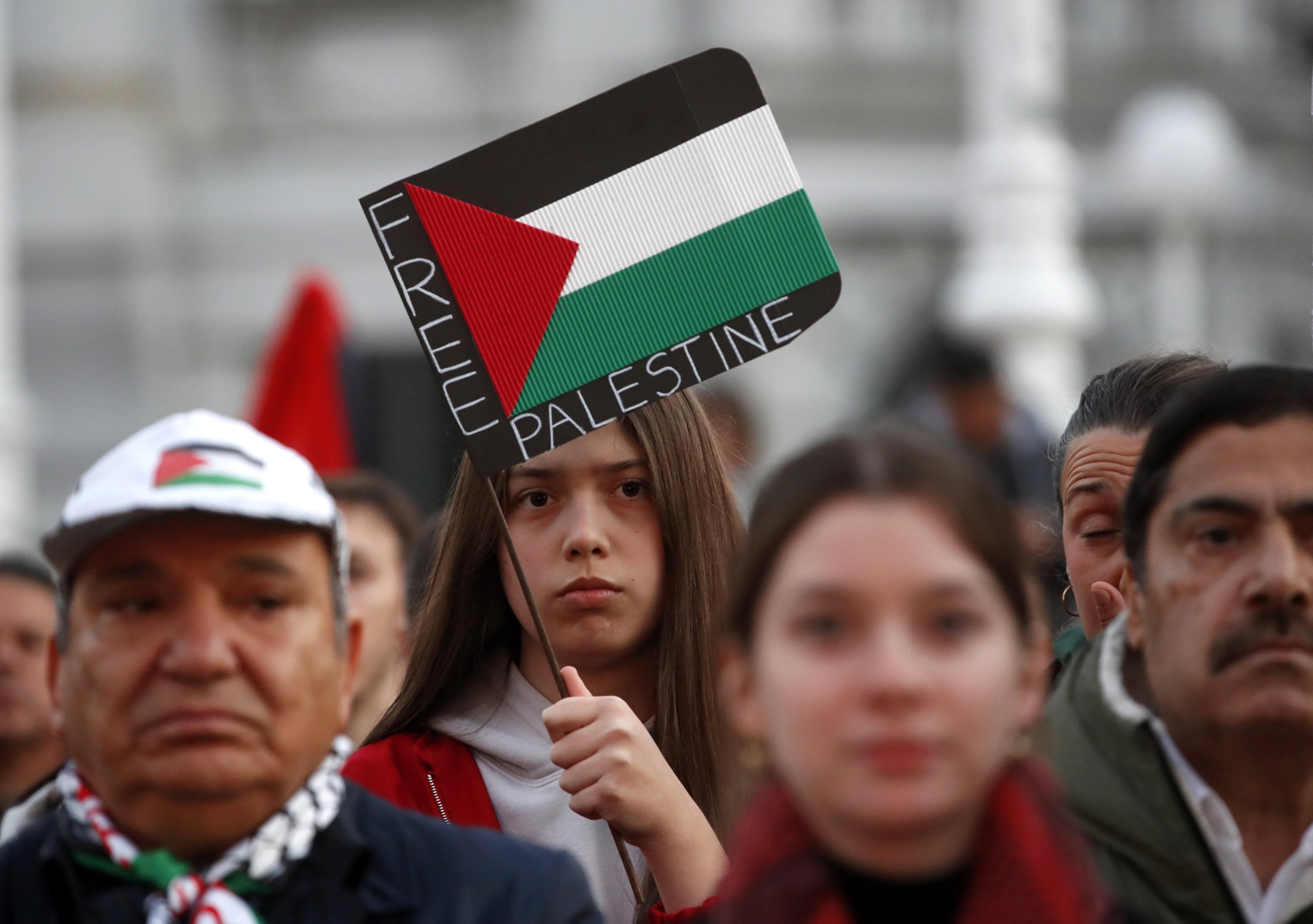
Gaza faces the same peril: A post-war reality defined by external guarantees, economic aid and limited sovereignty. A cease-fire without justice, or reconstruction without recognition, risks turning Gaza into another political limbo, an entity managed rather than liberated.
Real peace is not built through donor conferences or military patrols. It is built through accountability, inclusion and the courage to confront history. Bosnia-Herzegovina taught us that division embedded in law becomes a permanent fracture. Rwanda taught us that unity imposed without dialogue breeds silence instead of reconciliation. Kosovo shows that political half-measures prolong uncertainty for generations.
If the world truly wants Gaza to rise from the ruins, it must not settle for the illusion of peace. There can be no reconstruction without recognition, no security without dignity and no stability without justice.
Because what happens after the deal – neither the signatures nor the handshakes – is what defines a nation’s future. Peace in Gaza is not just the end of war; it is the beginning of a long path toward, hopefully, the future of a functioning Palestinian state.