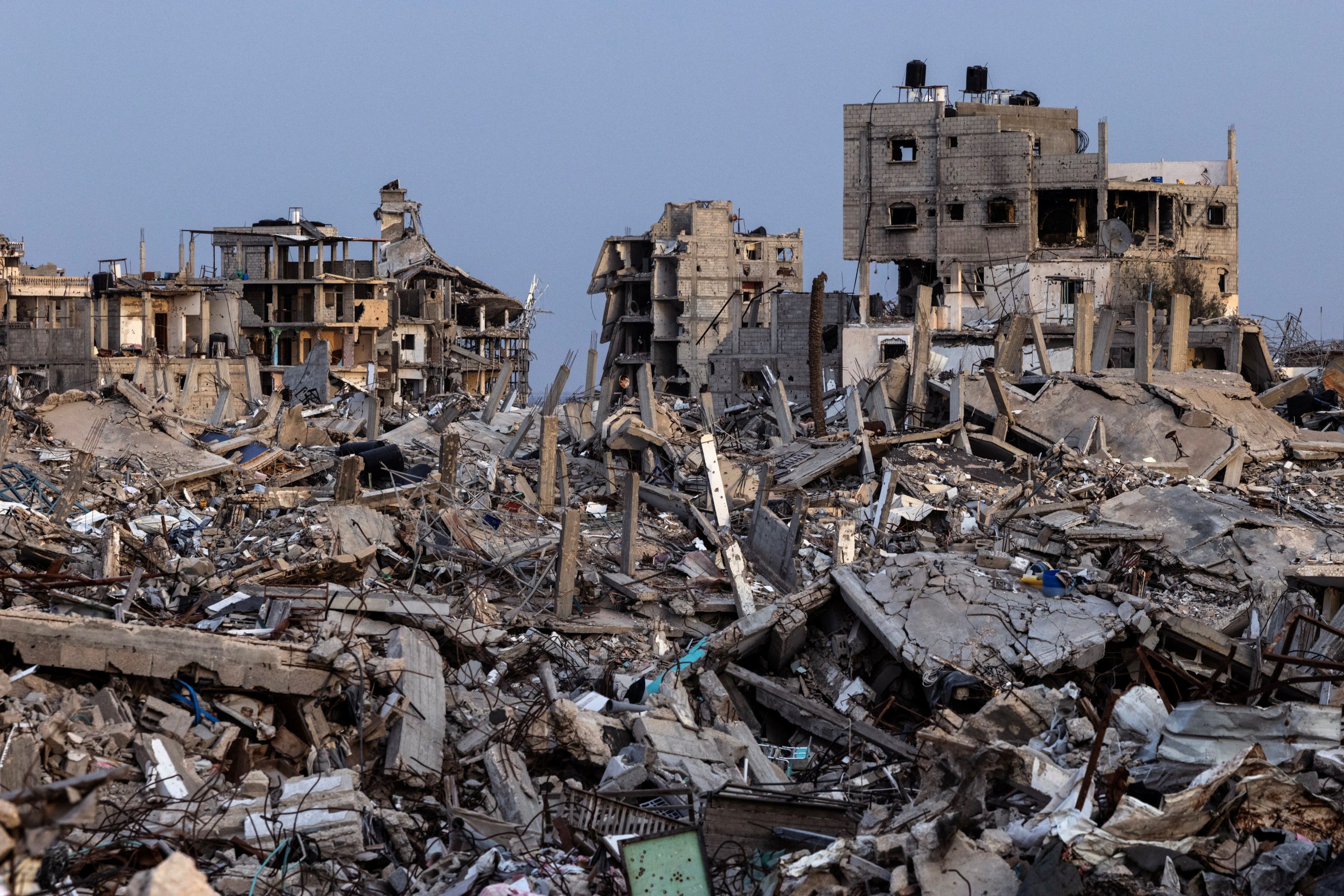
During a U.N. General Assembly session to mark the International Day of Reflection and Commemoration of Genocide, Türkiye stressed that the unfolding crisis in Gaza underscores the urgent necessity of preventing the repetition of grave international crimes, including genocide.
Speaking at the meeting, Gülşah Cumurcu Kader, deputy permanent representative of Türkiye to the U.N., said that despite the global vow of “never again” following World War II and the Holocaust, the international community continues to witness atrocities that approach the threshold of genocide.
“The situation in Gaza stands as a painful reminder and a warning of the urgent need to prevent the repetition of such serious international crimes,” Kader said.
She underscored that the commitment to prevent genocide must be guided by international law and warned against the misuse of the term “genocide” for domestic political purposes, emphasizing that its legal definition is rooted in the 1948 Convention on the Prevention and Punishment of the Crime of Genocide.
Kader said the relevance of the Genocide Convention has only grown as racism, xenophobia, Islamophobia, discrimination and intolerance continue to rise globally. Strengthening tools to combat hate speech and ensuring accountability under international law, she added, remain essential components of prevention.
“Decisions of international courts concerning the implementation of the convention must be respected and enforced,” she said. “As we see in Gaza, there must be no impunity for grave violations of international law. Otherwise, perpetrators will feel emboldened to continue their brutality, undermining our collective promise of ‘never again.’”
Kader concluded by stating that honoring genocide victims and survivors requires renewed commitment to preventing the world’s most serious crime and reaffirmed Türkiye’s dedication to upholding the convention and supporting global efforts to translate words into action.
In Israel's genocidal war, more than 67,000 Palestinians have been killed in Gaza and nearly 170,000 wounded during the war, mostly women and children, according to official figures.