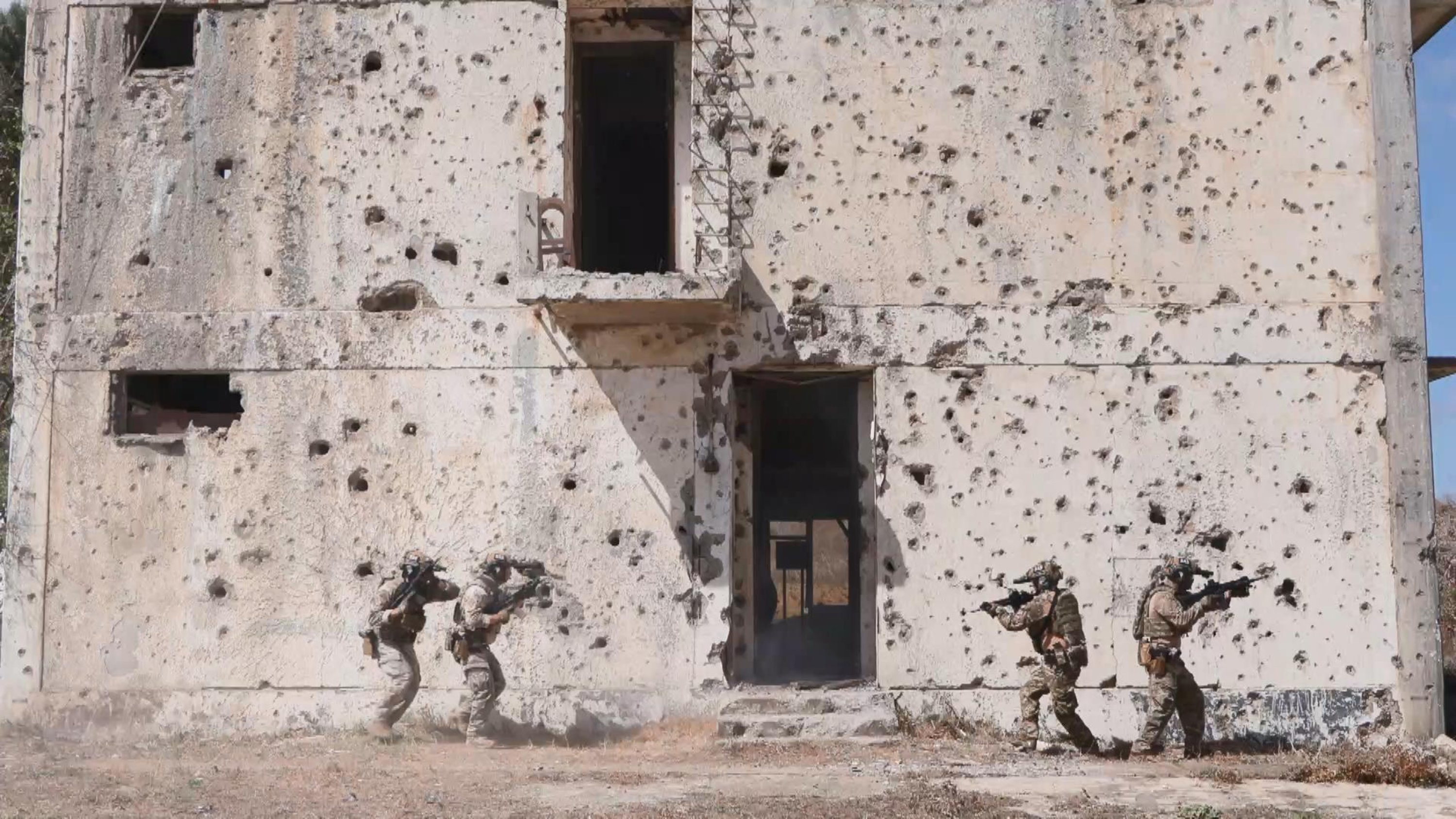
Türkiye’s Underwater Defense Command (SAS) is training its personnel to respond to threats ranging from drifting sea mines and unexploded ordnance to improvised explosive devices and unmanned maritime systems, as the naval unit maintains operations aimed at securing the country’s waters.
The unit, part of the Turkish Naval Forces Command, carries out explosive ordnance disposal, underwater operations and other specialized missions at sea and on land. Its personnel have also taken part in counterterrorism operations when assigned, according to SAS commander Navy Capt. Dr. D. Ilhan Sayıcı.
“These missions require many years of training and experience,” Sayıcı said. “Procedures must be followed completely during a mission because there is no margin for error. For us, the first mistake is the last.”
Established in 1964, the command has participated in operations ranging from the 1974 Cyprus Peace Operation to more recent counterterrorism missions, Sayıcı noted.
One of its main areas of expertise is neutralizing explosive threats, including naval mines, unexploded ordnance, improvised explosive devices and suspicious underwater objects.
SAS teams have also been tasked with responding to drifting mines and other potential threats in the Black Sea, where mines have posed risks to maritime traffic.
He said the unit’s objective is to protect maritime transportation, respond rapidly to potential threats and safeguard Türkiye’s maritime interests.
Becoming a SAS commando requires about a year of intensive training, with officers and noncommissioned officers joining on a voluntary basis.
Candidates are evaluated not only on physical fitness but also on psychological resilience, technical knowledge, leadership and their ability to make decisions under intense pressure, Sayıcı said.
The unit regularly conducts shooting, diving, demolition, helicopter and field exercises to maintain operational readiness.
A SAS officer identified as Lt. B. described one of the unit’s procedures, known as the Tactical Claw Operation, which is designed to neutralize drifting naval mines and unmanned aerial or maritime vehicles.
Under the procedure, SAS personnel are transported to the area by helicopter before entering the water and placing explosives on the target. They then withdraw to a safe area by boat or helicopter before remotely detonating the device, the officer said.
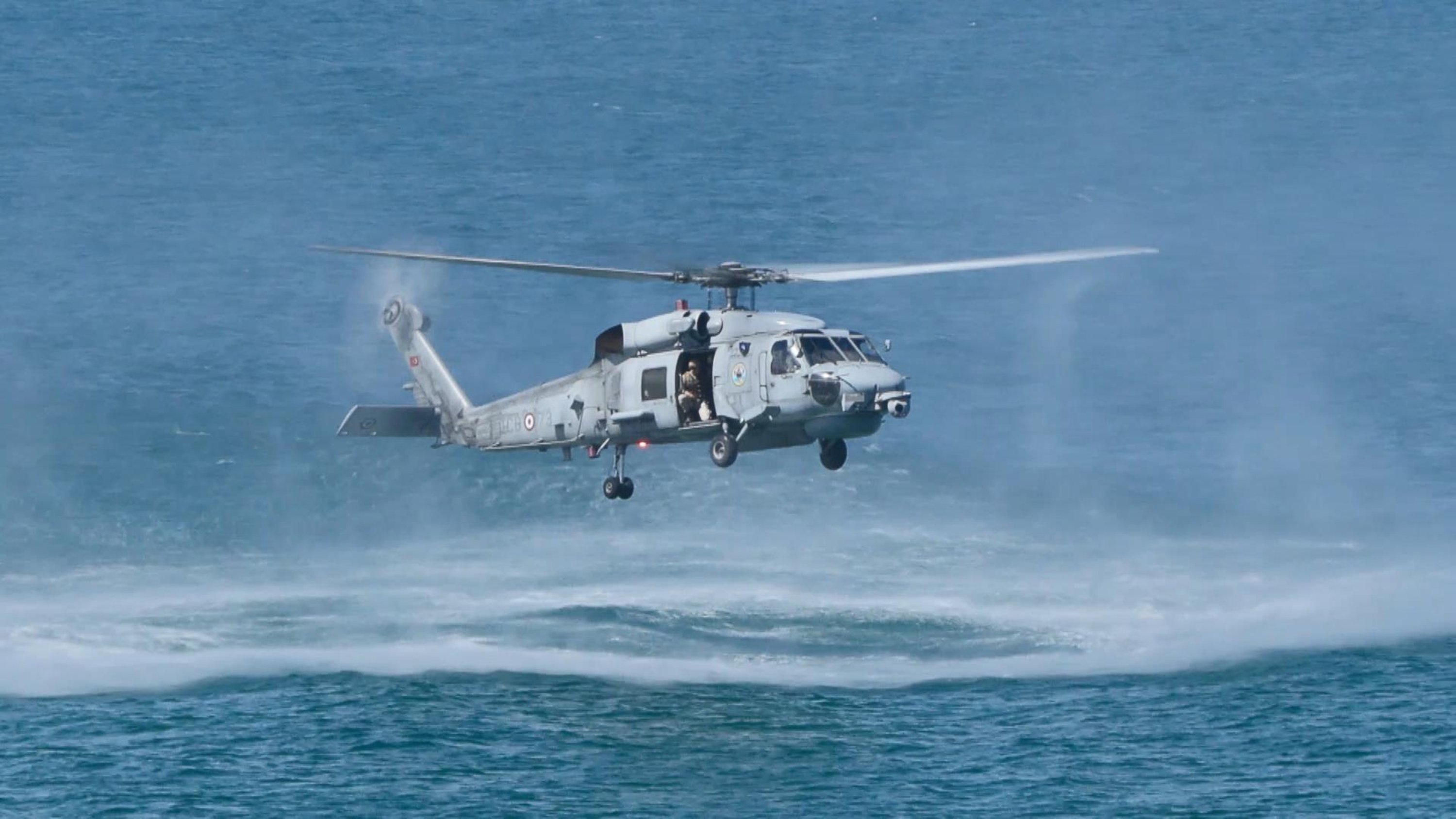
SAS teams have intervened against more than 300 suspicious objects, including mines and unmanned aerial and maritime vehicles, according to the unit.
Its personnel have also served in counterterrorism operations inside Türkiye and across the border, including operations Euphrates Shield, Olive Branch, Peace Spring and the Claw series, Lt. B. said.
The unit has also carried out missions in Libya, Afghanistan, Azerbaijan, Bosnia-Herzegovina and Albania.
During a recent training exercise, SAS commandos practiced clearing a booby-trapped building, rescuing a hostage and neutralizing an improvised explosive device. Another explosive device detected in the field was targeted using sniper and rocket fire.
Another SAS officer, identified as Lt. S., said fewer than 30% of candidates have completed the approximately yearlong training course in previous years.
The officer said personnel undergo regular physical conditioning on land and at sea alongside specialized operational training.
“The physical and mental endurance required by our work can only be developed through continuous and disciplined training,” he emphasized, adding that exercises also focus on patience, composure, attention and decision-making.
Lt. B. said teamwork remains central to the unit’s approach, particularly during missions involving explosives.
“There is no room for fear, hesitation or mistakes in our understanding of duty,” he said. “We remind ourselves that we do not have the luxury of making a mistake.”