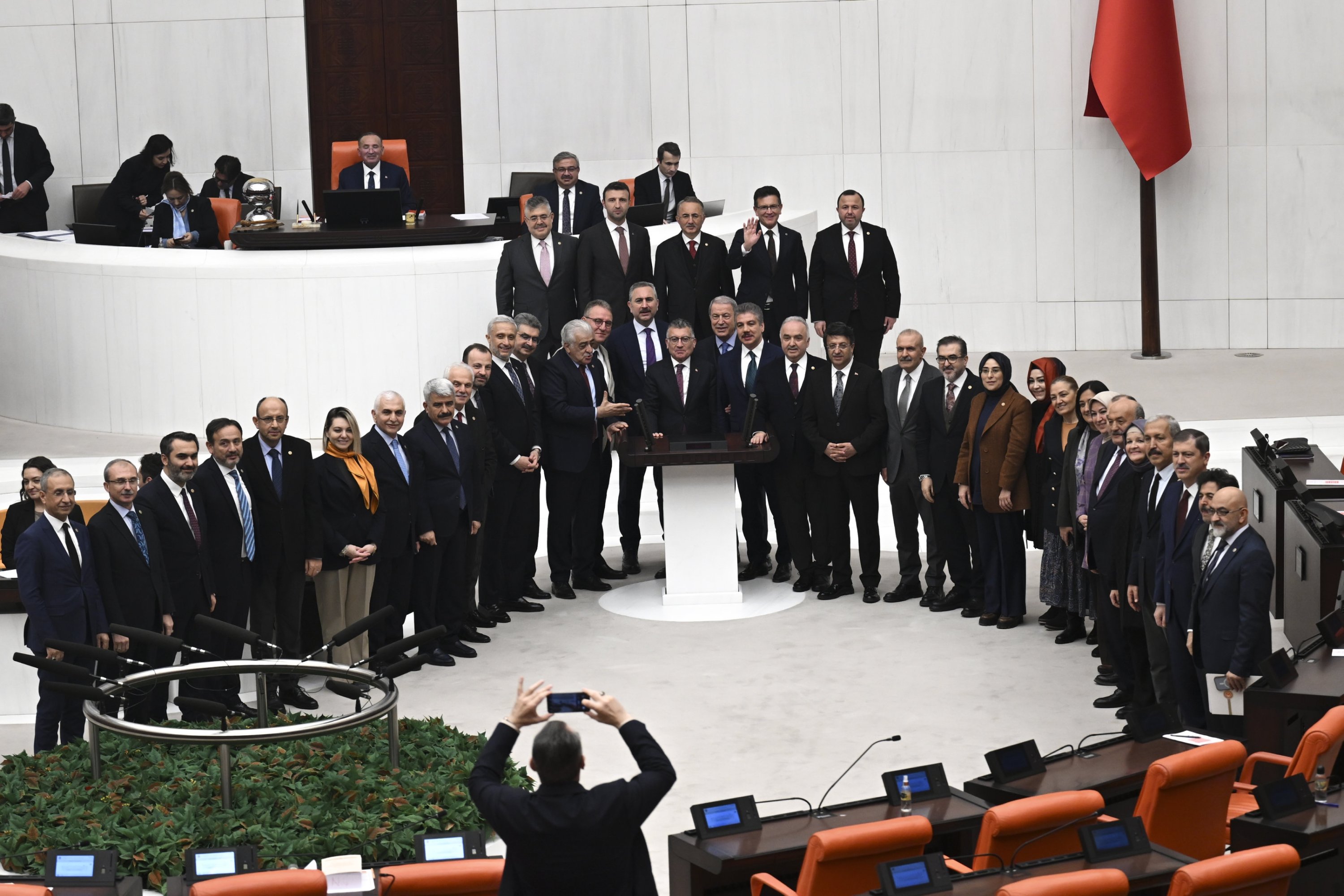
Türkiye’s parliament has approved a sweeping judicial reform package that is expected to lead to the phased release of nearly 50,000 convicts, while firmly excluding terrorism, organized crime and offenses linked to deadly earthquakes, underscoring the government’s emphasis on public safety and justice for victims.
The Turkish Parliament late Wednesday adopted the so-called 11th Judicial Package with 274 votes in favor and 77 against. The legislation amends the Turkish Penal Code and several other laws, introducing sentence reductions alongside tougher penalties for a range of crimes, from traffic obstruction to gunfire in residential areas.
Under the reform, convicts who committed eligible offenses before July 31, 2023, will be transferred from closed prisons to open facilities, while those already in open prisons will be released on probation.
The releases are expected to begin once President Recep Tayyip Erdoğan signs the bill and it is published in the Official Gazette.
Crucially, the package explicitly excludes a broad list of serious crimes. These include terrorism and organized crime, intentional killing of family members, women, children or vulnerable individuals, sexual assault and child abuse. Also excluded are those held responsible for buildings that collapsed in earthquakes, a provision lawmakers said reflects the state’s determination to ensure accountability for disasters that have claimed tens of thousands of lives.
The legislation also introduces new criminal offenses and tougher penalties aimed at strengthening public order. Blocking or unlawfully stopping a vehicle in traffic will now be treated as a standalone crime, punishable by one to three years in prison.
Forcibly diverting a vehicle from its intended route carries a sentence of two to five years, rising to three to seven years if sea or rail transport is involved.
Preventing an aircraft from moving could result in up to 10 years in prison, while diverting one carries penalties of up to 12 years. Lawful demonstrations conducted in line with regulations are exempt.
Penalties have also been increased for crimes involving the use of children by criminal organizations. Sentences for leaders who exploit minors will now be doubled, while jail terms for establishing or leading an organization rise to five to 10 years. Membership penalties have also been raised, with harsher punishment for armed groups.
In another key change, firing a weapon in residential areas will now carry sentences of up to five years, with increased penalties if the act occurs at crowded events such as weddings or military send-offs. Blank-firing guns capable of discharging sound or gas cartridges are included under the offense.
The package expands authorities’ powers to combat cybercrime and financial fraud. Bank accounts linked to crimes committed through information systems can be frozen for up to 48 hours, and illicit proceeds seized without a prior report. Funds proven to belong to victims must be returned.
Banks and financial institutions will be required to provide requested information within 10 days, while new safeguards mandate biometric or chip-based ID verification to open accounts.
Additional measures limit the number of GSM lines that can be registered to a single individual or device, with unused lines to be deactivated following periodic checks. Subscription to mobile services will require electronic identity verification.