As NATO charts a future with rebalancing ties with its main founder, the United States, Türkiye figures heavily into this future as a major contributor to the international alliance. On Wednesday, it will mark the 74th anniversary of joining the body, three years after its foundation.
Along with Greece, Türkiye joined the alliance in the latter’s first move to expand membership. Today, NATO has 32 members and Türkiye stands out among them with the second-largest army in the alliance. Its capabilities in the defense industry, contributions to the alliance’s operations and missions bring Türkiye to the spotlight at a time of heightened tensions across the world.
Türkiye’s recent leaps in the local defense industry attract attention among NATO countries. Türkiye hosts more than 3,500 defense companies, a stark contrast to about 2,800 companies in 29 NATO member countries. Battle-tested unmanned combat aerial vehicles (UCAVS) manufactured by Turkish companies in particular earned a worldwide reputation. Türkiye currently holds a 65% share in the global UAV market. Between 2020 and 2024, Türkiye ranked 11th in the world in defense exports.
The country’s strategic location also makes it an indispensable ally at the forefront of combat against security risks. The active role of the Turkish Armed Forces (TSK) in counterterrorism also makes Türkiye one of the most experienced armies in NATO in field work. Elsewhere, Türkiye is the top contributor to NATO’s Kosovo Force (KFOR), which it currently leads.
Among 32 allies, Türkiye ranks seventh in contributing to the alliance’s budget. Its total contribution is expected to amount to 300 million euros (just over $355 million) this year and to rise to 620 million euros in 2030.
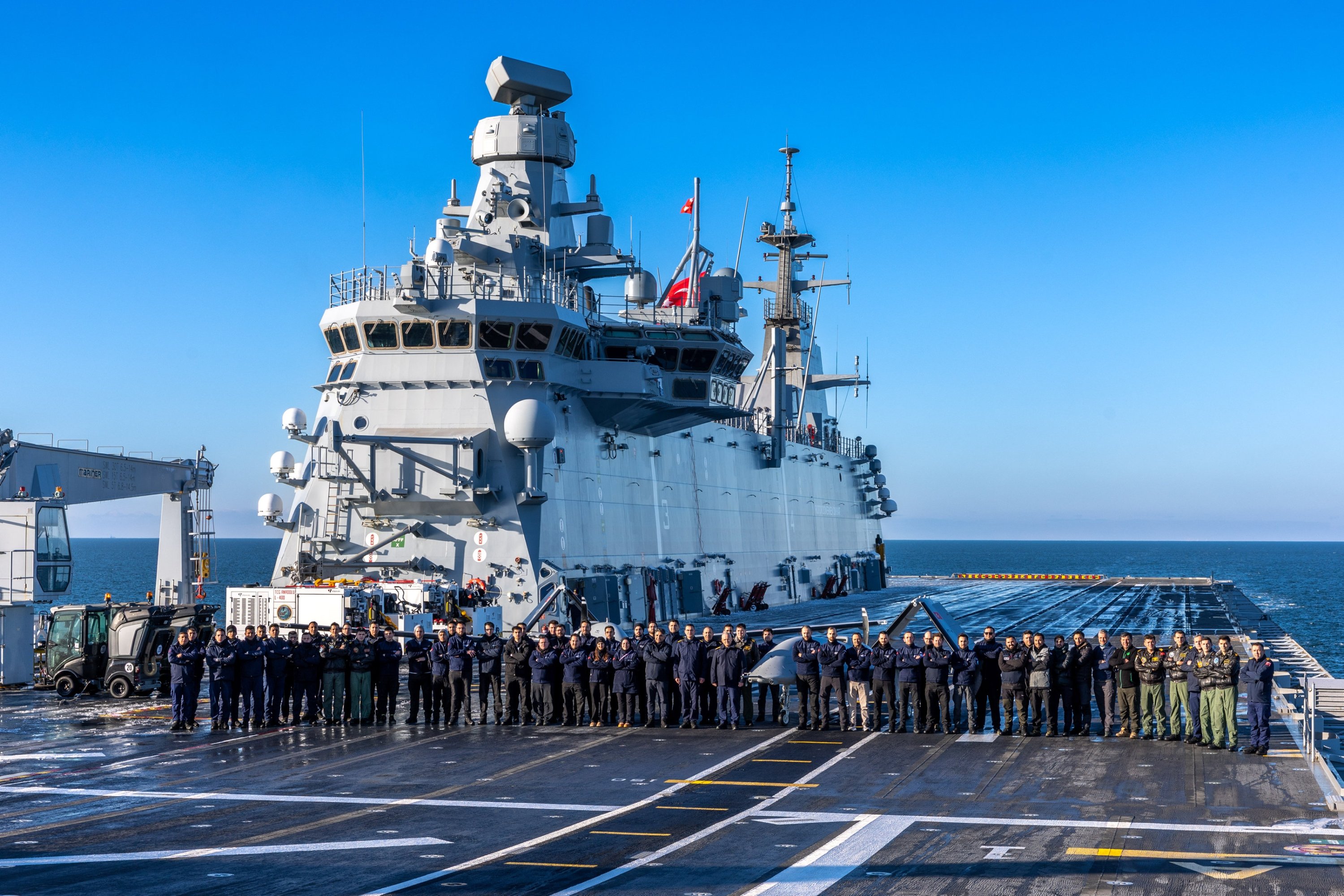
Currently, the TSK is taking part in NATO’s biggest exercise this year, Steadfast Dart 2026. Some 2,000 Turkish troops, the largest Turkish military presence in Europe since Ottoman times, are participating in the exercise that will conclude on Feb. 20. Along with troops, the locally-made TCG Anadolu naval vessel is participating in the exercise. NATO’s Media Information Center on Monday highlighted Türkiye’s contribution to the exercise with a focus on Turkish medical units. “The unit is providing vital, wide-ranging medical support during the exercise (in Germany).
“The Turkish Medical Unit, part of the 66th Mechanized Infantry Brigade, can deliver immediate life-saving medical care in operational areas, including the management of trauma, gunshot and blast injuries, airway emergencies, severe bleeding, and other critical conditions. The specialized personnel within the unit are trained to initiate advanced medical treatment rapidly in austere and high-risk environments,” the center said in an article published on its website.
In Bosnia-Herzegovina, Türkiye is the only non-EU top contributor of European Union peacekeeping force, EUFOR Althea. Since July 2025, Türkiye also chairs the command of NATO’s Allied Reaction Force (ARF), Amphibious Task Force and Landing Force.
Türkiye adds strategic value to NATO not only through its critical role on the alliance’s southeastern flank, but also by providing access to the Black Sea, the Middle East and the Eastern Mediterranean.
With its military, Türkiye makes a significant contribution to NATO’s deterrence and serves as an important part of the Euro-Atlantic security architecture. Its geographic proximity to regional crises greatly enhances NATO’s rapid response capability.
NATO also provides significant support for Türkiye’s defense. Alliance membership strengthens Türkiye’s military modernization and international cooperation opportunities, while intelligence sharing and early warning systems support Türkiye’s national security.
Although it has started courting NATO’s traditional rivals more in recent years, Türkiye is firmly aligned with the alliance, as its leaders repeatedly confirmed.
An international survey by the Pew Research Center published in 2024 found that Turks had a favorable view of the military alliance. Although unfavorable views of the bloc were higher than favorable opinions (at 46%), 42% of people interviewed for the survey favored it, a considerable rise from 18% support in the first edition of the survey in 2011.
Initially rejected by some members, the country, which sought protection against the Soviet Union, was finally accepted after it pledged to send troops to support the United States in the Korean War.
Türkiye also hosts critical NATO facilities, including Allied Land Command, which is located in the western city of Izmir, and Rapid Deployable Corps, which is based in Istanbul. In the capital, Ankara, it hosts the Centre of Excellence for Defence Against Terrorism (COE-DAT) and the Partnership for Peace Training Center. Istanbul hosts the NATO Maritime Security Centre of Excellence (MARSEC COE).