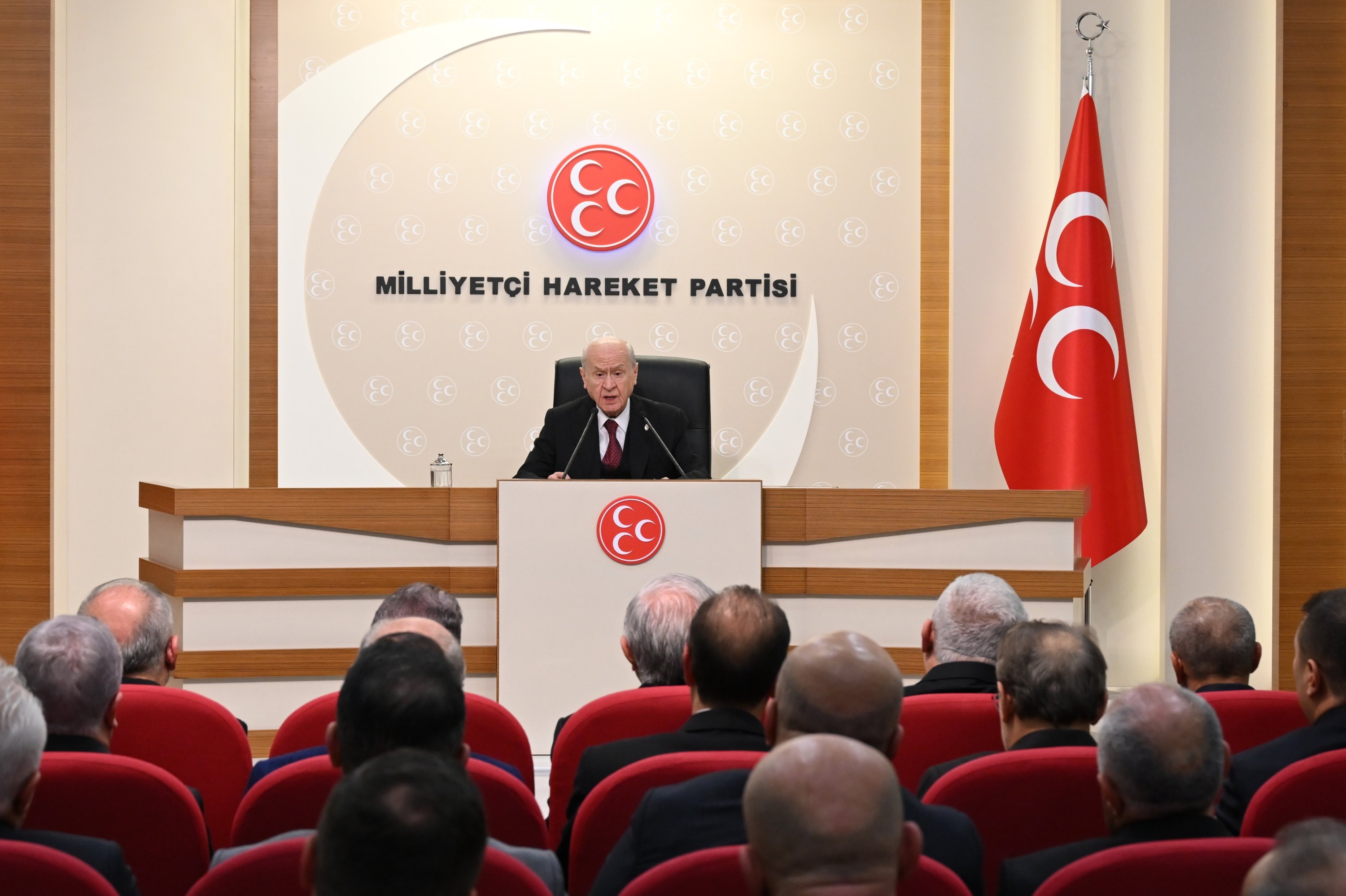
Devlet Bahçeli, leader of the government ally, the Nationalist Movement Party (MHP), is persisting in his proposal to establish new provinces across the country. Three years after reviving the proposal for a second time, Bahçeli returned to it on Sunday, this time providing more details. For the veteran politician, the plan is a way to ensure more efficient use of resources amid changing dynamics in Türkiye, which currently has 81 provinces.
His ambitious plan, titled “100 Provinces, 1,000 Districts,” was published by Türkgün, a news website and newspaper close to Bahçeli, on Sunday. In an interview with the newspaper, Bahçeli said they proposed declaring 19 additional provinces and 78 new districts. “Certain districts should be upgraded to provincial status due to their growing populations, development potential, geographical location, difficulties in accessing services and strategic importance,” he said, describing these as objective criteria.
Current criteria for upgrading a district to provincial status include a population threshold (at least 100,000 residents), distance from the provincial center, economic and commercial potential, and overall development status. Still, not every district that meets the criteria is immediately upgraded, as the move requires approval by Parliament. The last district to be granted provincial status was Düzce in the north in 1999, following two devastating earthquakes that necessitated a massive recovery budget. Bahçeli’s hometown of Osmaniye, previously a district of Adana in the south, was also among the settlements upgraded to provincial status during a wave of provincial expansions in the 1980s and 1990s, when Türkiye converted districts into provinces almost every year. Becoming a province means receiving a larger share of the central government budget for local administration.
Bahçeli said the need for restructuring the provincial system also stemmed from the necessity of changing the duties, powers and responsibilities of existing institutions and organizations, preventing conflicts of authority, and ensuring the effective fulfillment of state functions, including newly established public services. Pointing to changes in the functioning of institutions within Türkiye’s administrative system, Bahçeli said these developments also necessitated regulatory reforms. He noted that the introduction of new technologies into the system, problems arising from their use, changes in administrative and public relations systems, and incompatibilities between governance, the socioeconomic structure and the political order were among the key factors driving this need.