Daily Sabah logo

Politics
Diplomacy Legislation War On Terror EU Affairs Elections News Analysis
TÜRKİYE
Istanbul Education Investigations Minorities Expat Corner Diaspora
World
Mid-East Europe Americas Asia Pacific Africa Syrian Crisis Islamophobia
Business
Automotive Economy Energy Finance Tourism Tech Defense Transportation News Analysis
Lifestyle
Health Environment Travel Food Fashion Science Religion History Feature Expat Corner
Arts
Cinema Music Events Portrait Reviews Performing Arts
Sports
Football Basketball Motorsports Tennis
Opinion
Columns Op-Ed Reader's Corner Editorial
PHOTO GALLERY
JOBS ABOUT US RSS PRIVACY CONTACT US
© Turkuvaz Haberleşme ve Yayıncılık 2025

Daily Sabah - Latest & Breaking News from Turkey | Istanbul

  • Politics
    • Diplomacy
    • Legislation
    • War On Terror
    • EU Affairs
    • Elections
    • News Analysis
  • TÜRKİYE
    • Istanbul
    • Education
    • Investigations
    • Minorities
    • Expat Corner
    • Diaspora
  • World
    • Mid-East
    • Europe
    • Americas
    • Asia Pacific
    • Africa
    • Syrian Crisis
    • Islamophobia
  • Business
    • Automotive
    • Economy
    • Energy
    • Finance
    • Tourism
    • Tech
    • Defense
    • Transportation
    • News Analysis
  • Lifestyle
    • Health
    • Environment
    • Travel
    • Food
    • Fashion
    • Science
    • Religion
    • History
    • Feature
    • Expat Corner
  • Arts
    • Cinema
    • Music
    • Events
    • Portrait
    • Reviews
    • Performing Arts
  • Sports
    • Football
    • Basketball
    • Motorsports
    • Tennis
  • Gallery
  • Opinion
    • Columns
    • Op-Ed
    • Reader's Corner
    • Editorial
  • TV

Scientists crack gene secret that lets poppies make morphine

by

LONDON Jun 28, 2015 - 12:00 am GMT+3
No Image
by Jun 28, 2015 12:00 am
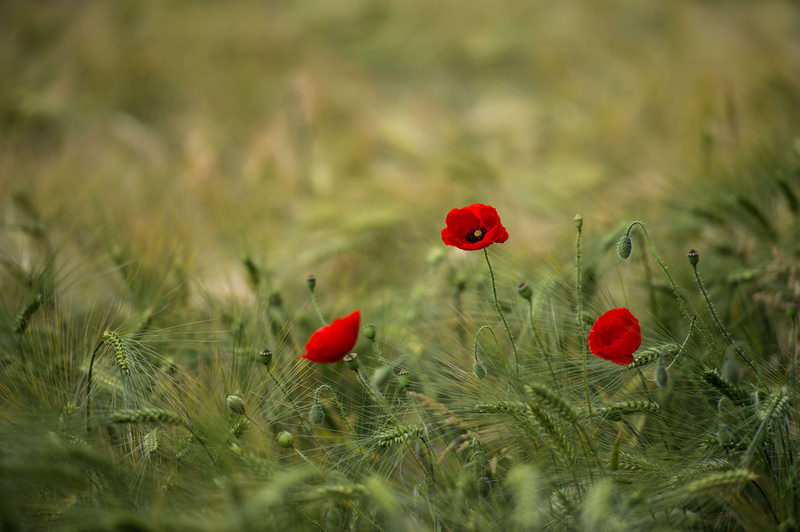
Scientists have identified a key gene used by poppies to make morphine, paving the way for better methods of producing the medically important drug, potentially without the need for cultivating poppy fields.

The latest finding follows recent success in engineering brewer's yeast to synthesise opiates such as morphine and codeine from a common sugar, boosting the prospect of "home-brew" drug supply.


But whether making morphine in bubbling vats of yeast will be commercially viable -- either for drug companies or criminal gangs -- is far from certain, since poppies are very efficient natural factories.

"Poppies are not going to be displaced overnight by any stretch of the imagination," said Ian Graham, a professor at the University of York, who worked on the latest gene discovery. While extracting opiates from genetically engineered yeast is now a real possibility, he sees more immediate benefits from applying the latest knowledge to developing better poppy plants. "Having our hands on this gene allows us to develop molecular breeding approaches to creating bespoke poppy varieties that make different compounds," he told Reuters.

That could lead to agricultural production of drugs such as noscapine, a cough-suppressant that may also fight cancer, as well as improved plant strains with higher yields of morphine. For centuries, opiates have been the go-to drugs for pain relief and they remain the most potent treatments for severe pain, generating global prescription sales of around $12 billion annually.

Morphine and codeine are used directly as painkillers while a third compound, thebaine, is a starting-point for semi-synthetic opiates, including oxycodone and hydrocodone. The molecular structure of these drugs is so complex that chemists have never been able to produce them from off-the-shelf components. But understanding the genetics means it is now possible to engineer a microbe like yeast to do the job. The discovery of the so-called STORR gene by Graham and colleagues, reported in the journal Science on Thursday, provides the missing piece in the biosynthesis puzzle.


The gene plays a vital role in the back-to-back steps in the plants' morphine-producing pathway by converting a compound known as (S)-reticuline into a variation called (R)-reticuline.
About the author
Research Associate at Center for Islam and Global Affairs (CIGA) at Istanbul Sabahattin Zaim University
  • shortlink copied
  • Last Update: Jun 28, 2015 11:05 pm
    KEYWORDS
    life
    The Daily Sabah Newsletter
    Keep up to date with what’s happening in Turkey, it’s region and the world.
    You can unsubscribe at any time. By signing up you are agreeing to our Terms of Use and Privacy Policy. This site is protected by reCAPTCHA and the Google Privacy Policy and Terms of Service apply.

    No Image
    A defanged lion, Wimbledon and fire: Weekly top photos
    PHOTOGALLERY
    • POLITICS
    • Diplomacy
    • Legislation
    • War On Terror
    • EU Affairs
    • News Analysis
    • TÜRKİYE
    • Istanbul
    • Education
    • Investigations
    • Minorities
    • Diaspora
    • World
    • Mid-East
    • Europe
    • Americas
    • Asia Pacific
    • Africa
    • Syrian Crisis
    • İslamophobia
    • Business
    • Automotive
    • Economy
    • Energy
    • Finance
    • Tourism
    • Tech
    • Defense
    • Transportation
    • News Analysis
    • Lifestyle
    • Health
    • Environment
    • Travel
    • Food
    • Fashion
    • Science
    • Religion
    • History
    • Feature
    • Expat Corner
    • Arts
    • Cinema
    • Music
    • Events
    • Portrait
    • Performing Arts
    • Reviews
    • Sports
    • Football
    • Basketball
    • Motorsports
    • Tennis
    • Opinion
    • Columns
    • Op-Ed
    • Reader's Corner
    • Editorial
    • Photo gallery
    • DS TV
    • Jobs
    • privacy
    • about us
    • contact us
    • RSS
    © Turkuvaz Haberleşme ve Yayıncılık 2021