Daily Sabah logo

Politics
Diplomacy Legislation War On Terror EU Affairs Elections News Analysis
TÜRKİYE
Istanbul Education Investigations Minorities Expat Corner Diaspora
World
Mid-East Europe Americas Asia Pacific Africa Syrian Crisis Islamophobia
Business
Automotive Economy Energy Finance Tourism Tech Defense Transportation News Analysis
Lifestyle
Health Environment Travel Food Fashion Science Religion History Feature Expat Corner
Arts
Cinema Music Events Portrait Reviews Performing Arts
Sports
Football Basketball Motorsports Tennis
Opinion
Columns Op-Ed Reader's Corner Editorial
PHOTO GALLERY
JOBS ABOUT US RSS PRIVACY CONTACT US
© Turkuvaz Haberleşme ve Yayıncılık 2026

Daily Sabah - Latest & Breaking News from Turkey | Istanbul

  • Politics
    • Diplomacy
    • Legislation
    • War On Terror
    • EU Affairs
    • Elections
    • News Analysis
  • TÜRKİYE
    • Istanbul
    • Education
    • Investigations
    • Minorities
    • Expat Corner
    • Diaspora
  • World
    • Mid-East
    • Europe
    • Americas
    • Asia Pacific
    • Africa
    • Syrian Crisis
    • Islamophobia
  • Business
    • Automotive
    • Economy
    • Energy
    • Finance
    • Tourism
    • Tech
    • Defense
    • Transportation
    • News Analysis
  • Lifestyle
    • Health
    • Environment
    • Travel
    • Food
    • Fashion
    • Science
    • Religion
    • History
    • Feature
    • Expat Corner
  • Arts
    • Cinema
    • Music
    • Events
    • Portrait
    • Reviews
    • Performing Arts
  • Sports
    • Football
    • Basketball
    • Motorsports
    • Tennis
  • Gallery
  • Opinion
    • Columns
    • Op-Ed
    • Reader's Corner
    • Editorial
  • TV

Intelligent? Brainless slime can 'learn'

by

PARIS Apr 28, 2016 - 12:00 am GMT+3
No Image
by Apr 28, 2016 12:00 am
What is intelligence? Definitions vary, but all infer the use of grey matter, whether in a cat or a human, to learn from experience. On Wednesday, scientists announced a discovery that turns this basic assumption on its head. A slime made up of independent, single cells, they found, can "learn" to avoid irritants despite having no central nervous system. "Tantalizing results suggest that the hallmarks for learning can occur at the level of single cells," the team wrote in a paper published in the journal Proceedings of the Royal Society B.

For the study, researchers from Belgium and France sought to demonstrate "habituation learning" in a brainless organism. Habituation learning is when original behavior changes in response to repeated stimulus - think of a human losing their fear of needles after being repeatedly exposed to them in phobia therapy. The team wanted to see whether an organism without a nervous system could similarly "learn" from experience and change its behavior accordingly.


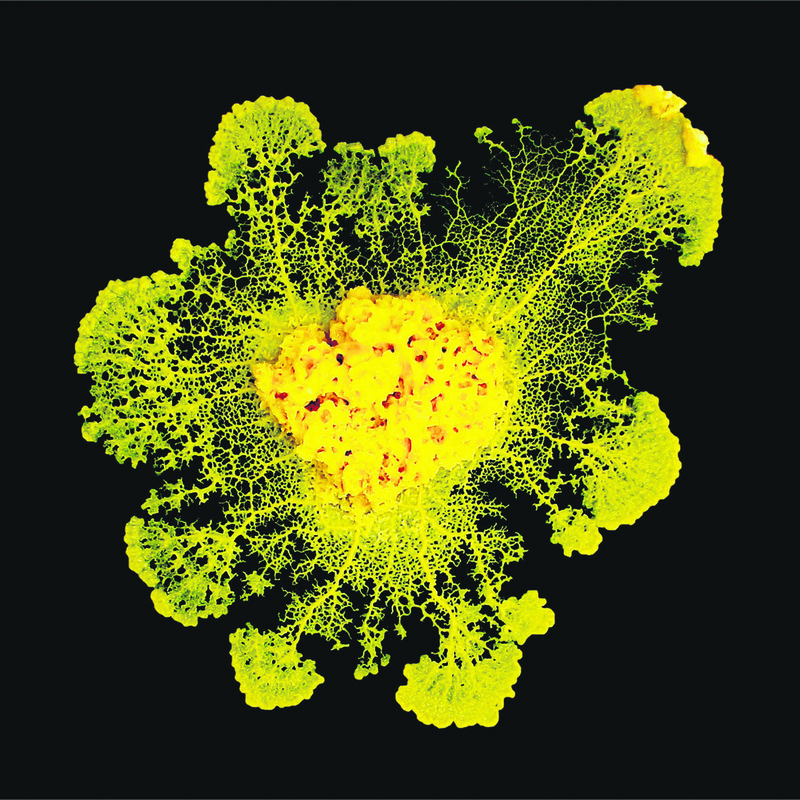
They chose a very humble life form indeed -Physarum polycephalum, also known as "many-headed slime."

Single P. polycephalum cells meld into a single, yellow blob -- specimens of which can be found on decaying leaves and tree trunks in cool, moist spots. The slime moves from place to place, albeit very slowly, by extending finger-like protrusions called pseudopods.

The scientists grew slime samples in petri dishes containing a gel made of agar, a jelly-like substance derived from algae.

They then placed each sample near another petri dish containing a meal of oats, also in agar gel. The two dishes were separated by an agar gel "bridge" for the slime to "crawl" across, which it generally did within about two hours. For the experiment, the team then polluted a part of the "bridge" with quinine or caffeine in concentrations that were bitter, but not harmful, to the slime.


The slime "showed clear aversive behavior" at first, they observed. It hesitated, then took more than three times as long to cross the bridge by a very narrow path as it sought to avoid touching the offensive substance.

In the days that followed, the crossings became quicker -- evidence that the slime became "habituated" to the quinine or caffeine, said the team. These findings in an organism which precedes humans by some 500 million years suggests that "learning" may predate the emergence of nervous systems, said the researchers. "Our results point to the diversity of organisms lacking neurons," they wrote, "which likely display a hitherto unrecognized capacity for learning." The discovery may boost understanding of the behavior of other simple organisms such as viruses and bacteria.
  • shortlink copied
  • KEYWORDS
    life
    The Daily Sabah Newsletter
    Keep up to date with what’s happening in Turkey, it’s region and the world.
    You can unsubscribe at any time. By signing up you are agreeing to our Terms of Use and Privacy Policy. This site is protected by reCAPTCHA and the Google Privacy Policy and Terms of Service apply.

    No Image
    Production of national Turkish car Togg caught on camera in Bursa
    PHOTOGALLERY
    • POLITICS
    • Diplomacy
    • Legislation
    • War On Terror
    • EU Affairs
    • News Analysis
    • TÜRKİYE
    • Istanbul
    • Education
    • Investigations
    • Minorities
    • Diaspora
    • World
    • Mid-East
    • Europe
    • Americas
    • Asia Pacific
    • Africa
    • Syrian Crisis
    • İslamophobia
    • Business
    • Automotive
    • Economy
    • Energy
    • Finance
    • Tourism
    • Tech
    • Defense
    • Transportation
    • News Analysis
    • Lifestyle
    • Health
    • Environment
    • Travel
    • Food
    • Fashion
    • Science
    • Religion
    • History
    • Feature
    • Expat Corner
    • Arts
    • Cinema
    • Music
    • Events
    • Portrait
    • Performing Arts
    • Reviews
    • Sports
    • Football
    • Basketball
    • Motorsports
    • Tennis
    • Opinion
    • Columns
    • Op-Ed
    • Reader's Corner
    • Editorial
    • Photo gallery
    • DS TV
    • Jobs
    • privacy
    • about us
    • contact us
    • RSS
    © Turkuvaz Haberleşme ve Yayıncılık 2021