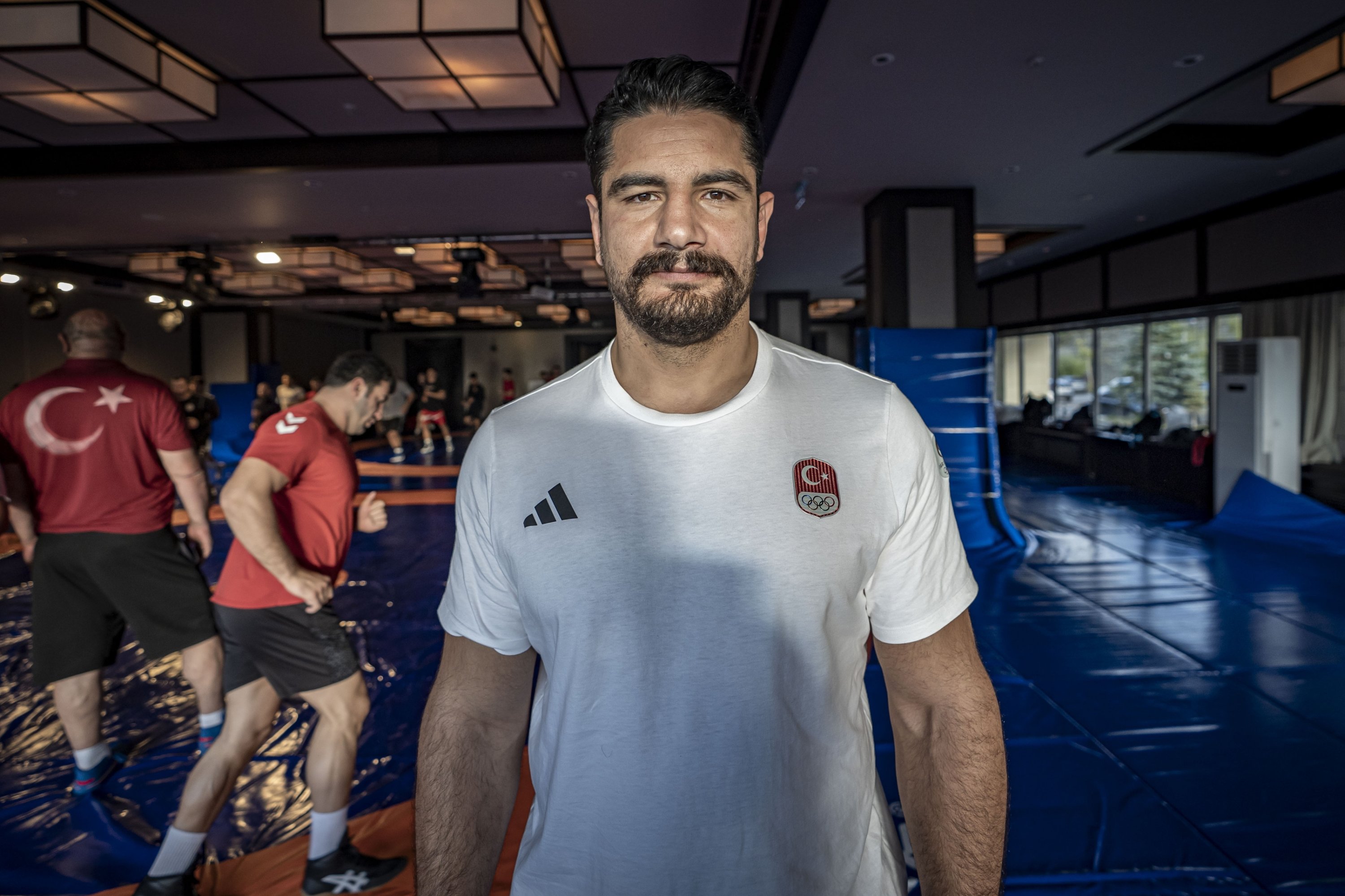
Türkiye Wrestling Federation President Taha Akgül says the country’s wrestling program is undergoing a long-term rebuild, with as much as 70% of the federation’s budget being directed toward developing young athletes and creating a new generation of wrestlers.
Akgül spoke to Anadolu Agency (AA) in Erzurum, where he traveled to follow the national team’s preparations at a training camp on Mount Palandöken ahead of the 2026 Senior World Wrestling Championships.
The Olympic champion said Türkiye needed to take the difficult step of investing heavily in an area where the results may not be immediately visible.
“We needed a new generation, a new period of sowing. We had the courage to do it and we started,” Akgül said. “It is not easy to start this because you are actually investing in an area that is not visible. It is similar to the investments municipalities make in youth development. They are not always seen.”
Akgül said the federation has committed a significant portion of its financial resources to youth development, with roughly 60% to 70% of its budget now being used for grassroots programs.
He said the federation's staff are focused on expanding opportunities for young wrestlers and rebuilding the enthusiasm of athletes and their families.
“We are constantly thinking about what more we can do for the grassroots,” Akgül said. “For two years, we have been on the right path. We have restored the energy that the children and their families had lost.”
The federation has expanded competitions and development programs across Türkiye, including events and projects stretching from Hakkari in the east to Ankara.
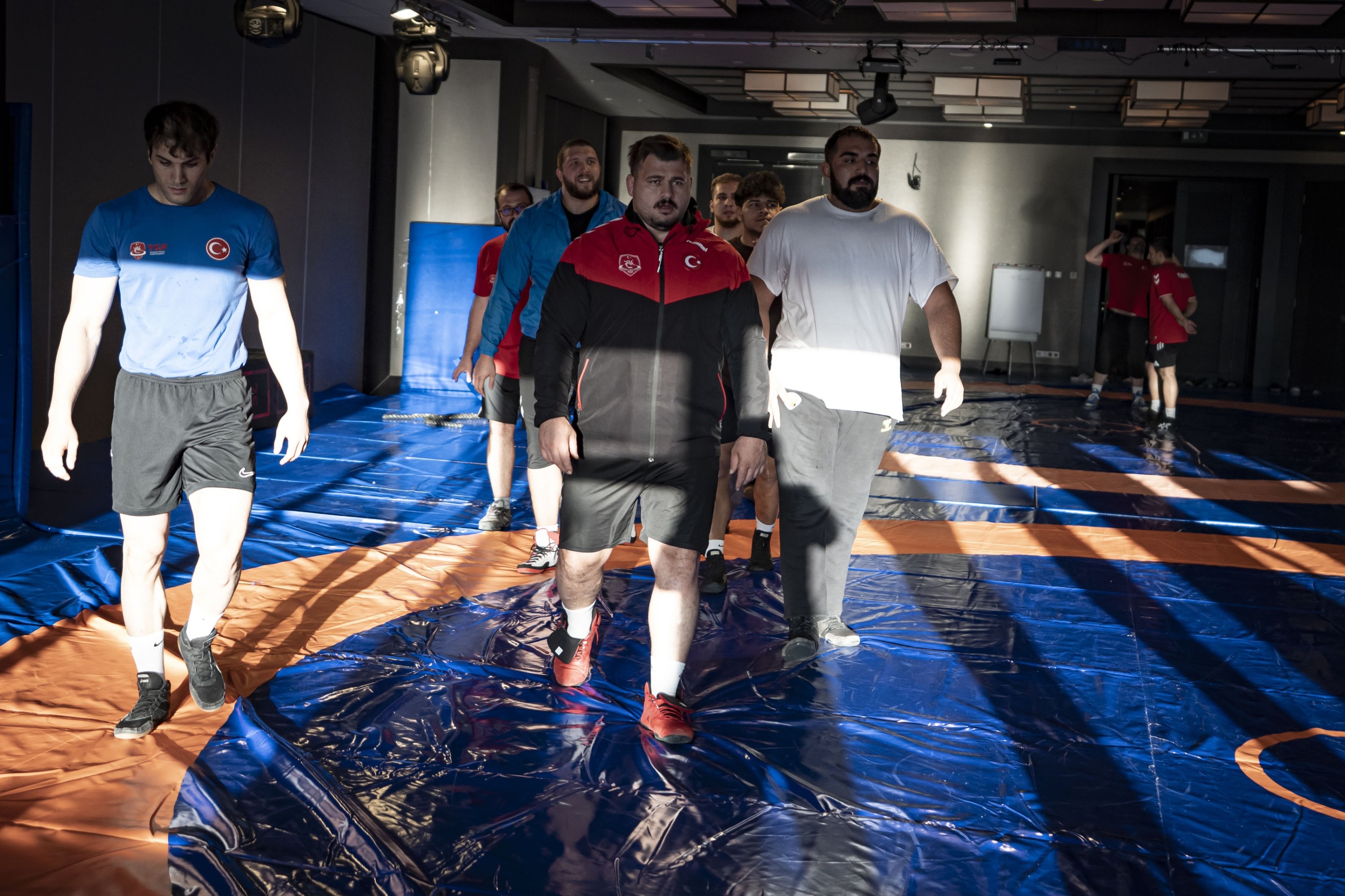
Akgül said the federation intends to increase the number of such initiatives while using its available resources to improve the quality and reach of its programs.
Akgül described the past two years as a period of planting seeds for the future of Turkish wrestling, acknowledging that the federation will have to endure the difficult part of the process before the benefits become fully visible.
“We have been in a serious period of sowing for two years,” he said. “Unfortunately, we will have to endure the hardship of this period. Whether we are here in the future or not, wrestling will win.”
He said the long-term success of Turkish wrestling matters more than the legacy of individual administrators or athletes.
“If we want Turkish wrestling to have a good future, we have to go through this period and endure the difficulties,” Akgül said. “We have the strength to shoulder this.”
The federation has also sought to increase participation at national championships, creating a broader pool from which promising athletes can be identified.
Akgül said nearly 10,000 wrestlers competed at this year's Türkiye Championships, describing the figure as a major achievement for a sport practiced across all 81 provinces.
Managing an event of that scale presents logistical challenges, but Akgül said the federation is also trying to ensure athletes receive meaningful support, including competition gear with the help of sponsors.
The goal, he said, is not simply to produce elite wrestlers but to keep young athletes engaged with the sport long enough for their potential to emerge.
“We select talents according to different age groups,” Akgül said. “Those we identify are sent to wrestling education centers. They did not have development camps because it was not considered necessary to organize camps for those age groups. We believe it is necessary.”
The federation has already brought 850 young athletes together through camps held in 15 different cities, giving them opportunities to experience different parts of Türkiye while strengthening their connection with wrestling.
For some, the camps offered experiences beyond sport, including visiting Çanakkale and swimming in the sea for the first time.
Akgül said the broader social impact of wrestling should not be measured only by the number of future champions it produces.
“Maybe many of these children will not become champions, but they could become very good architects, lawyers, bureaucrats, governors or statesmen,” he said. “All of them will say, ‘We were wrestlers.’”
That, Akgül said, is another measure of the sport's value.
“If we produce 10 top-level athletes out of 10,000, we can say that Turkish wrestling has been saved,” he said.
While the federation is investing in the future, Akgül said its immediate focus is the 2026 World Championships and the longer-term goal of the 2028 Los Angeles Olympics.
“We are always focused on the Olympics,” he said. “We have entered the Olympic atmosphere completely.”
The national team is preparing in the relative isolation of Erzurum, where Akgül believes the quiet surroundings, climate and natural environment provide ideal conditions for an intense training camp.
The 2026 World Championships will serve as an important test for a team undergoing significant generational change.
“We know it will be difficult, but we are in a renewal process,” Akgül said. “Hopefully, we will have a good championship.”
Türkiye's wrestling program has traditionally been one of the country's strongest sources of Olympic medals. At the most recent Olympics, wrestling produced two medals for Türkiye, and Akgül expects the sport to remain one of the country's leading medal hopes.
The federation president has also remained closely involved with the athletes on the mat, training alongside the Olympic team after recently ending his own competitive career.
“I train one-on-one with my Olympic team,” Akgül said. “I have just retired from wrestling, so my performance has not dropped yet. We are there with the children on the field.”
For Akgül, the rebuilding process is ultimately about ensuring the next generation inherits a stronger wrestling system than the one it entered.
“We are on the right path,” he said. “Turkish wrestling will become even better. Our people should pray for us.”