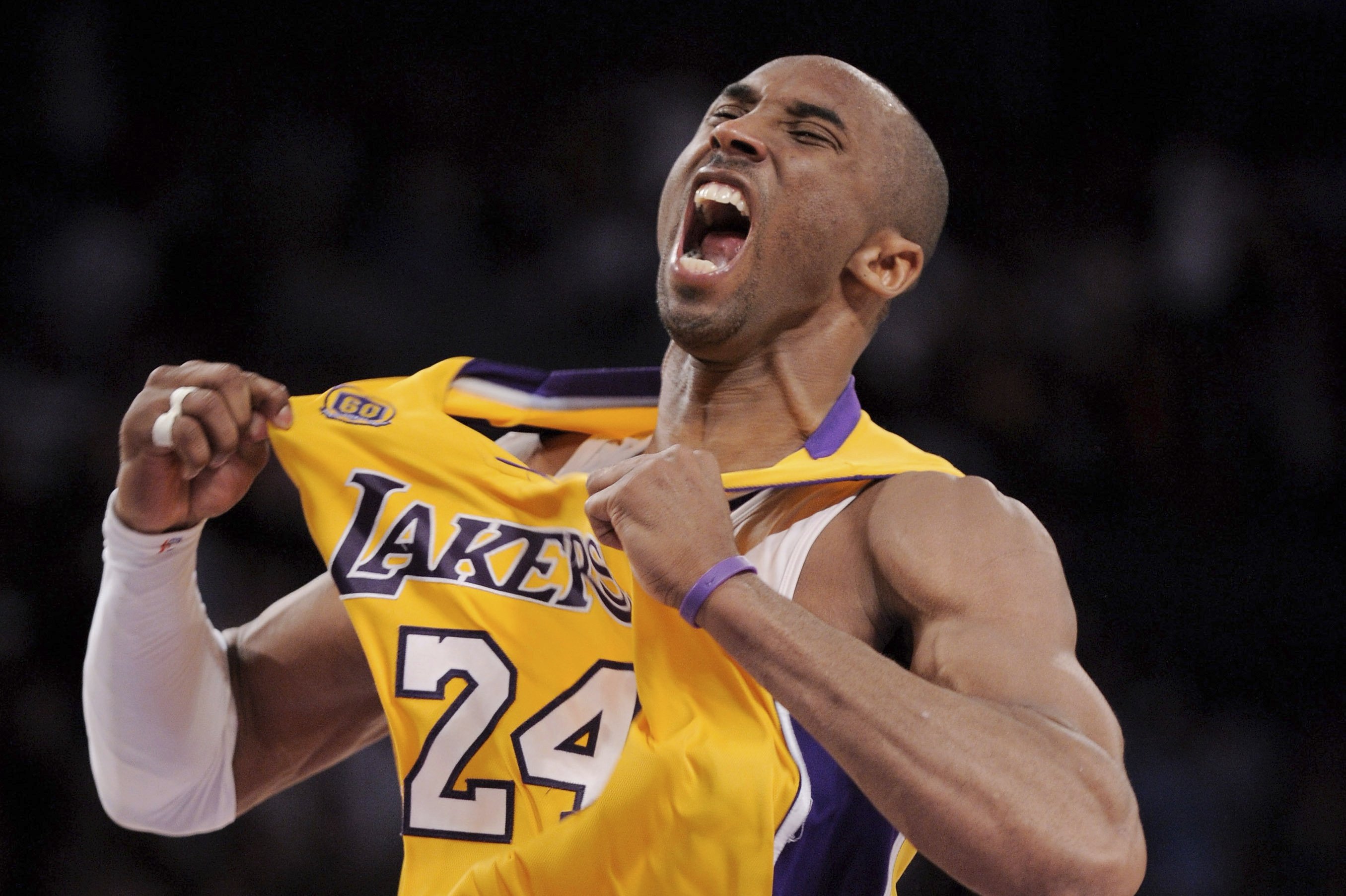
Six years have passed since the helicopter crash that stunned the sports world, but the loss of Kobe Bryant still feels unfinished, a silence that refuses to settle.
On Jan. 26, 2020, Bryant, 41, his 13-year-old daughter Gianna and seven others were killed when their helicopter went down in heavy fog in Calabasas, California, while en route to a game at Bryant’s Mamba Sports Academy.
Investigators later concluded that pilot disorientation amid low visibility caused the aircraft to lose control.
For basketball, it marked the sudden end of one of the sport’s most relentless lives, a career built on obsession, brilliance and an unyielding will to win.
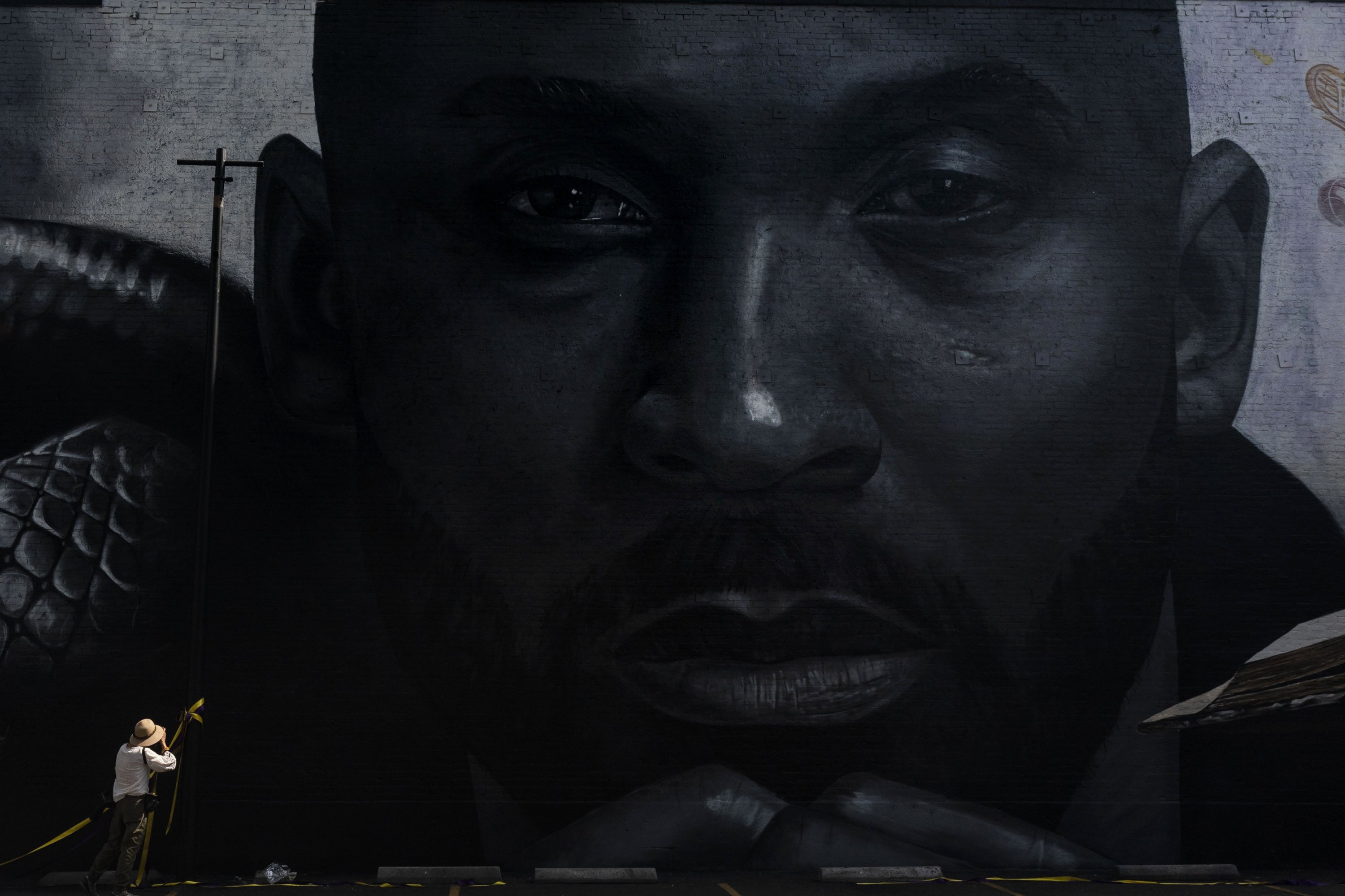
Bryant’s death sent shockwaves far beyond the NBA. Murals bearing his likeness, and the numbers 8 and 24, bloomed on city walls from Los Angeles to Manila.
Courts fell silent. Players, fans and rivals alike struggled to grasp the loss of a figure who had shaped an entire generation’s understanding of greatness.
Just hours before the crash, Bryant had posted a congratulatory message to LeBron James, who had passed him on the NBA’s all-time scoring list: “Continue to move the game forward. Much respect, my brother.” It would become one of his final public words.
He left behind his wife Vanessa and four daughters, Natalia, Bianka, Gianna and Capri, the youngest born just seven months before his death.
Kobe Bean Bryant was born Aug. 23, 1978, in Philadelphia, the son of former NBA and European pro Joe Bryant. Named after a famed Japanese beef dish, Kobe was introduced to basketball almost as soon as he could walk.
When Joe Bryant continued his career overseas, the family moved to Italy, where Kobe grew up speaking Italian and Spanish, absorbing European fundamentals while sharpening an American scorer’s mentality. Summers were spent back in the United States, grinding on playgrounds and in gyms.
By the time he returned full-time to Philadelphia, his talent was unmistakable. At Lower Merion High School, Bryant became a national sensation. At just 17, he bypassed college and entered the 1996 NBA draft.
The Charlotte Hornets selected him 13th overall, then immediately traded his rights to the Los Angeles Lakers for Vlade Divac. Bryant was headed exactly where he believed he belonged.
Bryant debuted for the Lakers at 18, becoming the youngest player in NBA history at the time. Early on, he was raw, fearless and unapologetically confident, sometimes to a fault.
Behind veterans Eddie Jones and Nick Van Exel, and alongside newly acquired Shaquille O’Neal, Bryant earned minutes the hard way. He won the 1997 Slam Dunk Contest and became the youngest All-Star starter in league history a year later.
The turning point came in 1999, when Phil Jackson arrived as head coach. Under Jackson, Bryant evolved from a gifted scorer into a complete, disciplined star. The result was dominance.
From 2000 to 2002, the Lakers won three consecutive NBA championships, powered by O’Neal’s force and Bryant’s rising command. By his early 20s, Bryant was no longer a sidekick, he was inevitable.
As tensions with O’Neal grew, Bryant’s offensive burden, and brilliance, expanded. In the 2002-03 season, he averaged 30 points, 6.9 rebounds and 5.9 assists, punctuated by nine straight games of 40 or more points.
But playoff disappointment followed, and after a turbulent 2003-04 campaign that ended in a Finals loss to Detroit, the Lakers were dismantled. O’Neal was traded. Jackson left. Bryant was alone.
What followed was one of the most staggering individual scoring stretches in NBA history.
On Jan. 22, 2006, Bryant scored 81 points against the Toronto Raptors, the second-highest single-game total ever, trailing only Wilt Chamberlain’s 100. He averaged 35.4 points that season, the highest of his career.
In March 2007, he recorded four straight games of 50 or more points, a feat matched only by Chamberlain. The nickname “Black Mamba” stuck, perfectly capturing his cold, surgical approach to dismantling defenses.
Championship contention returned when Pau Gasol joined the Lakers in 2008. That season, Bryant was named NBA MVP and led Los Angeles to the Finals, though they fell to Boston.
The response was emphatic.
In 2009, Bryant guided the Lakers past Orlando to claim his first Finals MVP and fourth championship. A year later, he delivered his defining statement, defeating Boston in a grueling seven-game Finals to secure his fifth title and a second straight Finals MVP.
It was the ultimate rebuttal to doubts that he could win without O’Neal.
Bryant openly chased Michael Jordan’s six championships. He never reached that number, but he never stopped trying.
As injuries mounted, including a devastating Achilles tear in 2013, Bryant’s role shifted from dominant force to defiant survivor. Still, he made history, passing Michael Jordan on the all-time scoring list in 2014.
On April 13, 2016, Bryant closed his 20-year career in cinematic fashion: 60 points against the Utah Jazz. At 37, he became the oldest player to score 60 in an NBA game.
It was vintage Kobe, exhausting, excessive and unforgettable.
Bryant’s influence extended well past the court. He starred in Turkish Airlines commercials alongside Lionel Messi and, in 2018, won an Academy Award for “Dear Basketball,” an animated short based on his retirement letter.
The Lakers retired both of his jerseys, No. 8 and No. 24, making him the first player in franchise history to receive the honor twice. Los Angeles later declared Aug. 24 as Kobe Bryant Day.
The NBA renamed the All-Star Game MVP award in his honor, ensuring his legacy remains stitched into the league’s future.