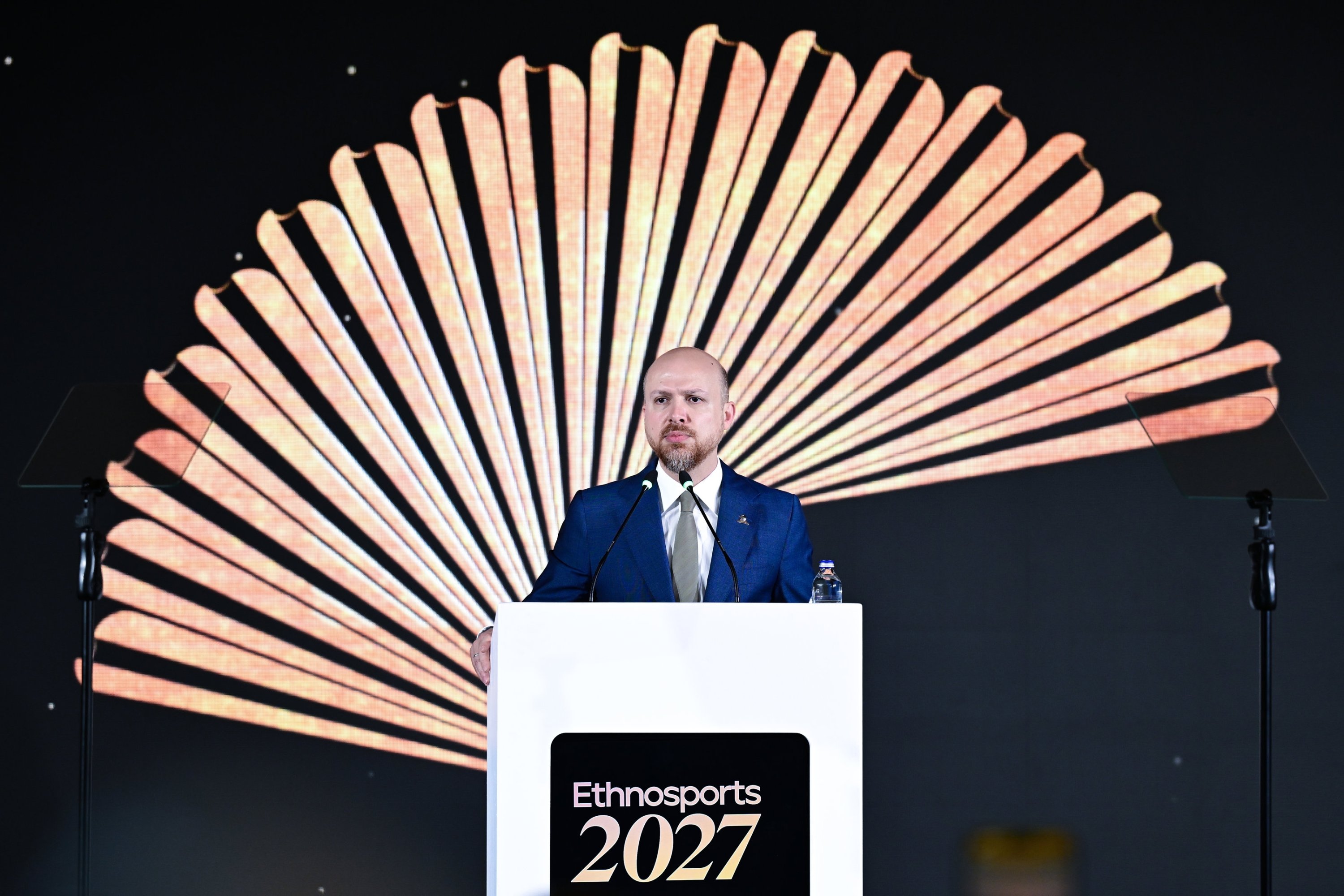
At the 8th Ethnosport Forum in Antalya, Bilal Erdoğan delivered a message that cut beyond sport, framing traditional games as a bridge in a fractured world while formally advancing plans for the ambitious Ethnosports 2027 project.
Addressing ministers, federation leaders and cultural delegates from nearly 30 countries, Erdoğan said the forum had evolved from a meeting platform into what he called a “global family,” united not only by heritage but by shared human experience.
Tracing the roots of traditional sports, he pointed to striking commonalities across cultures, from rhythms and rituals to games and cuisine, arguing that these parallels reveal a deeper truth: different societies are expressions of the same human story.
That idea now sits at the heart of a rapidly expanding movement.
Under Erdoğan’s leadership, the World Ethnosport Union has grown into a cross-continental network promoting traditional disciplines not as relics of the past, but as living systems of identity, discipline and community.
From wrestling and archery to equestrian sports and folk games, these practices are being revived and reintroduced to younger generations with increasing institutional backing.
“We are entering a new era,” Erdoğan said, describing a shift toward standardized rules, stronger governance and rising global recognition for traditional sports.
The forum itself reflects that transition.
What began years ago as a platform for dialogue has become a decision-making space focused on delivery.
This year’s gathering is centered on one defining outcome: Ethnosports 2027.
Positioned as a global multi-sport event, the project aims to bring together traditional sports from across continents under a unified competitive and organizational framework.
Unlike conventional mega-events, the emphasis is not just on results, but on cultural authenticity and shared values.
Erdoğan described it as a turning point that will move traditional sports beyond local boundaries and onto a global stage, where they can be practiced, followed and respected worldwide.
“This is not just about sport,” he said. “It is about building respect between communities by first having the confidence to express who we are.”
That message carried a sharper edge as he turned to ongoing global conflicts.
Referencing the realities faced by children in war zones, including Gaza and Iran, Erdoğan said the world was failing its youngest generation.
He spoke of children exposed to violence instead of classrooms and play, calling it a moral reckoning for humanity.
“Peace is what we need now,” he said. “A world where children cannot play is a world that has lost its way.”
For Erdoğan, the answer lies partly in shared cultural spaces like ethnosport, where dialogue replaces division and identity becomes a point of connection rather than conflict.
He urged participants to make peace the “common language” moving forward.
Türkiye’s Youth and Sports Minister Osman Aşkın Bak echoed that stance, describing ethnosport as a strategic tool that sits at the intersection of sport, culture, education and youth policy.
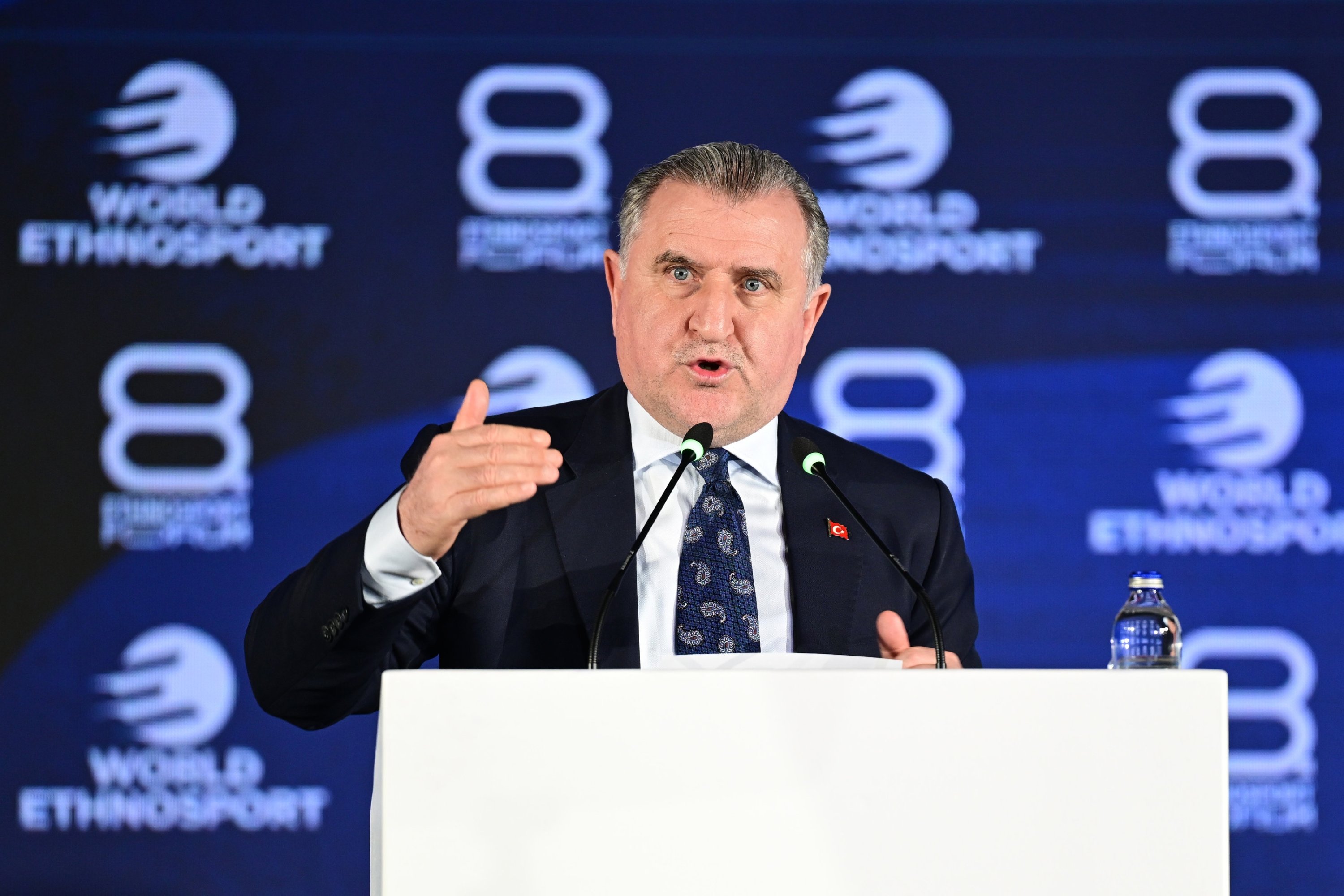
He pointed to ongoing efforts to integrate traditional sports into universities, youth centers and national programs, while expanding their international visibility through federations and UNESCO-linked initiatives.
Bak also stressed the role of sport diplomacy, saying ethnosport provides a rare platform for cooperation across regions stretching from Central Asia to Africa and the Balkans.
“Sport has the power to unite where politics often divides,” he said, reaffirming Türkiye’s commitment to peace, stability and cultural preservation under the leadership of Recep Tayyip Erdoğan.
The forum, which ran from April 3 to 5, drew more than 100 high-level participants, including over 15 ministers, alongside academics, researchers and practitioners.
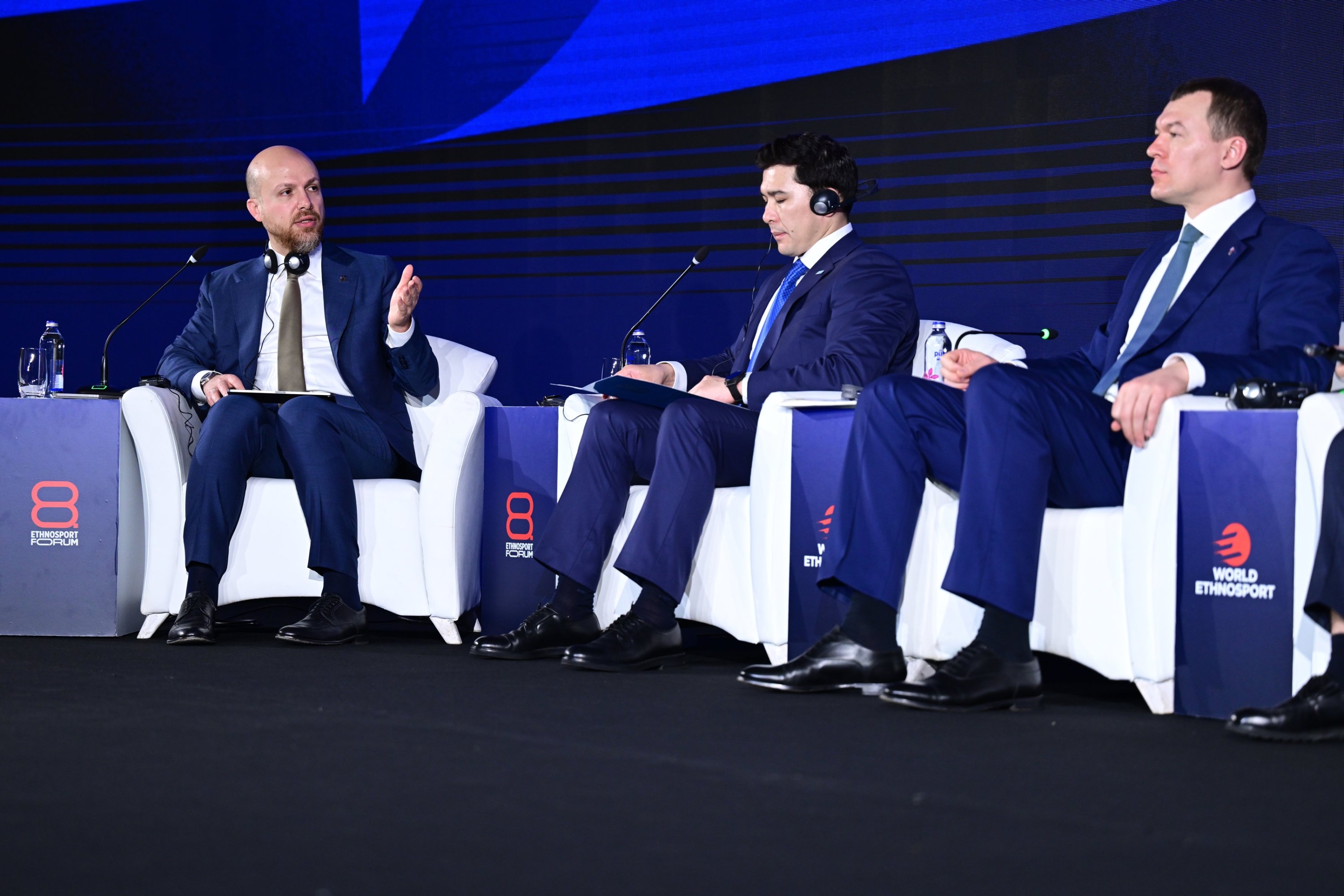
Its sessions focus on governance models, competition systems, marketing strategies and global participation frameworks for the 2027 event.
Beyond policy, the gathering has become a live demonstration of ethnosport’s core idea: that shared traditions can create common ground.
Delegates from diverse regions exchanged experiences, built partnerships and contributed to what organizers describe as a “global call for tradition,” set to be formalized in the forum’s final declaration.