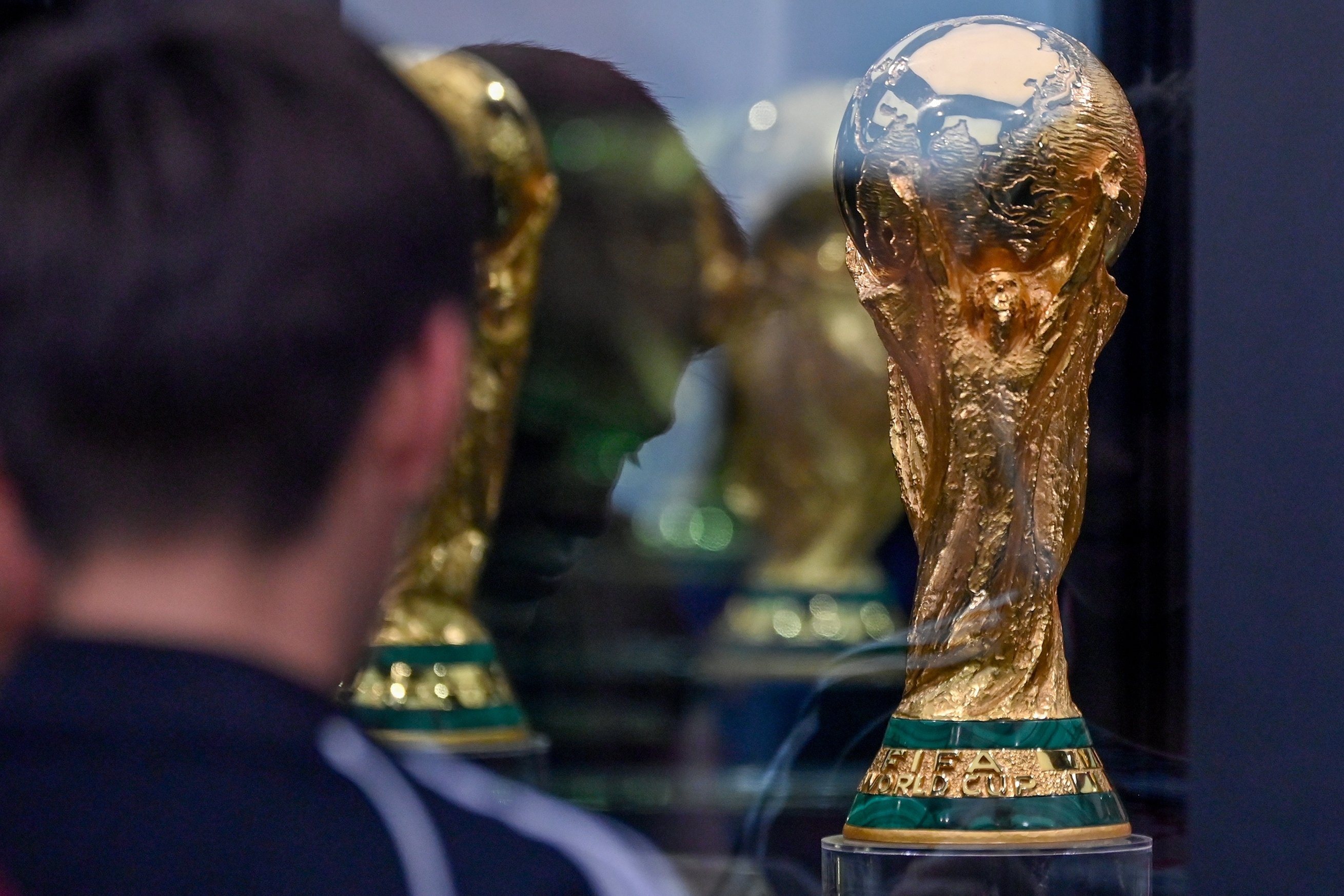
The 2026 FIFA World Cup, the first edition to feature 48 teams, is set to kick off on Thursday, June 11, co-hosted by the United States, Mexico, and Canada.
Running through Sunday, July 19, the expanded tournament delivers 104 matches across 16 stadiums spanning four time zones, with the U.S. hosting 78 games and Mexico and Canada sharing the remainder.
FIFA projects record revenue of $11 billion, fueled by more matches, sponsorships, broadcasting deals, and ticket sales.
The larger format also brings World Cup debuts for Cape Verde, Curaçao, Jordan, and Uzbekistan, offering fresh narratives for fans worldwide.
The first whistle blows at the iconic Estadio Azteca in Mexico City, where 83,000 fans will witness Mexico take on South Africa.
The stadium, legendary for Pele’s 1970 triumph and Diego Maradona’s “Goal of the Century” in 1986, becomes the first to host the opening match of three different World Cups.
Past openers included Mexico vs. the Soviet Union in 1970 and Italy vs. Bulgaria in 1986.
Matches will unfold across 16 stadiums, ranging from Toronto’s 45,000-seat BMO Field to Arlington’s 94,000-seat AT&T Stadium, expected to host the largest crowd. U.S. venues include MetLife Stadium, Mercedes-Benz Stadium, and SoFi Stadium.
Canada contributes BMO Field and BC Place, while Mexico features Estadio Azteca, Estadio BBVA in Monterrey, and Estadio Akron in Zapopan.
The 48 teams are divided into 12 groups of four, with each team playing three matches.
The top two from each group plus the eight best third-place finishers advance to a round of 32.
Opening week matches feature marquee clashes like Brazil vs. Morocco, Argentina vs. Algeria, and host Mexico facing South Africa.
Notable early matches include Türkiye’s Group D opener against Australia and the Netherlands taking on Japan at Dallas Stadium.
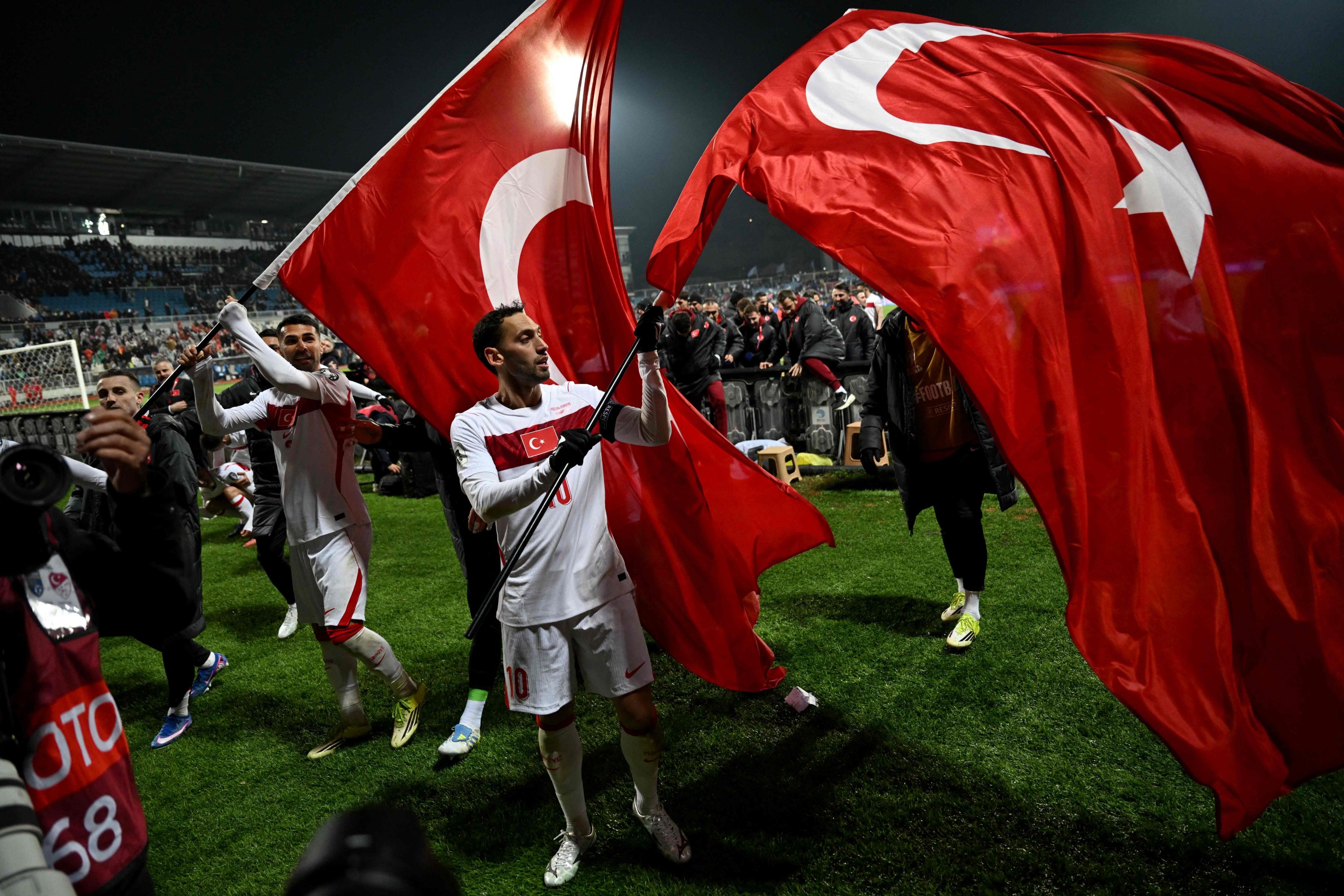
The tournament moves to a Round of 32 on June 28, followed by the Round of 16, quarter-finals, semi-finals, and a third-place match.
The final is set for July 19 at MetLife Stadium in East Rutherford, New Jersey.
This World Cup format promises six weeks of high-octane football, historic moments, and unmatched fan engagement, stretching across three nations and multiple time zones.
With the stage set in Mexico City on June 11, fans are poised for a tournament that could redefine the World Cup experience, combining larger teams, more matches, and unforgettable moments across North America.