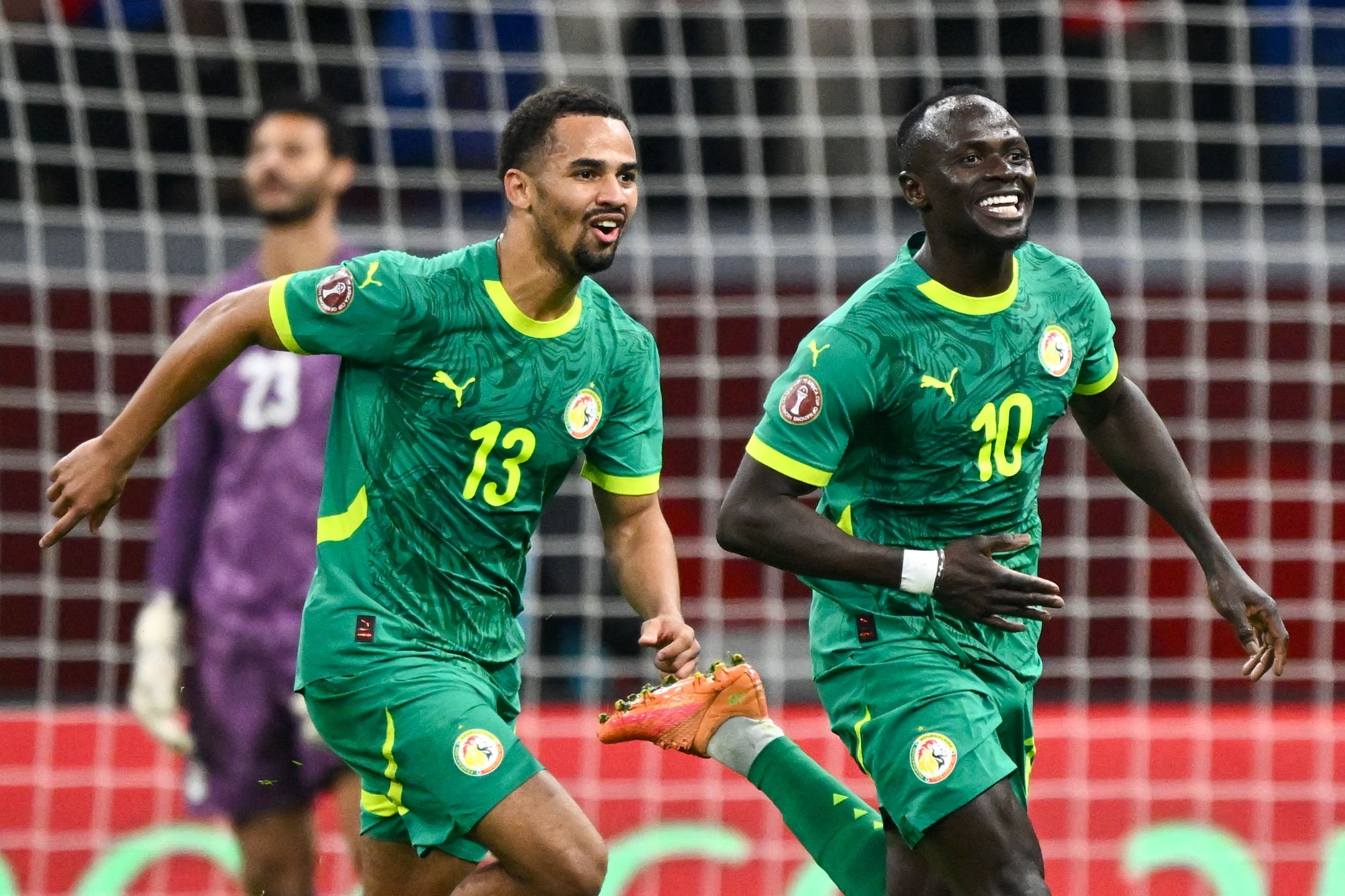
Senegal and Morocco will meet in Rabat Sunday night with the Africa Cup of Nations (AFCON) title at stake, a heavyweight final that brings together the reigning continental force and a host nation driven by history.
The 35th AFCON edition reaches its climax at the Prince Moulay Abdellah Stadium, with kickoff set for 8:00 p.m. local time (7:00 p.m. GMT).
Senegal, champions in 2021 and runners-up in 2019, face a resurgent Moroccan side chasing their first AFCON title since 1976 and their first triumph in a traditional final format.
Although the two sides have met 31 times across qualifiers and international competitions, this will be their first encounter in the Africa Cup of Nations proper.
That rarity adds an extra edge to a final already rich in narrative, contrasting Senegal’s counter-attacking efficiency and physical authority with Morocco’s composure, control and technical fluency.
Senegal’s road to Rabat has been built on discipline and experience.
Pape Thiaw’s team topped their group and advanced through the knockout rounds with trademark pragmatism, conceding little and striking when opportunities appeared.
Their semifinal against Egypt on Wednesday night followed a familiar script: tight, tense and decided by a single moment.
Sadio Mane’s second-half goal sealed a 1-0 victory, once again eliminating the Pharaohs and underlining Senegal’s growing dominance in high-pressure AFCON matches.
The win also reinforced Mane’s status as one of the tournament’s great figures, a player who continues to deliver when margins are smallest.
Defensively, Senegal have been anchored by Kalidou Koulibaly and goalkeeper Edouard Mendy, forming a foundation that has frustrated opponents throughout the competition.
Koulibaly’s knock-in the semifinal has raised mild concern, but Senegal’s structure has rarely wavered.
Ahead of them, Mane, Ismaila Sarr and Nicolas Jackson have provided pace, movement and decisive touches, particularly on the break.
This final marks Senegal’s fourth AFCON appearance at this stage and their recent success has given them the calm assurance of a side that knows how to finish the job.
Morocco, meanwhile, have carried the weight of expectation with remarkable poise.
Under Walid Regragui, the Atlas Lions have been the tournament’s most resolute defensive unit, conceding just one goal in six matches heading into the final and that from the penalty spot.
Their semifinal against Nigeria, played at the same Rabat venue, ended goalless after 120 minutes before Morocco prevailed 4-2 on penalties.
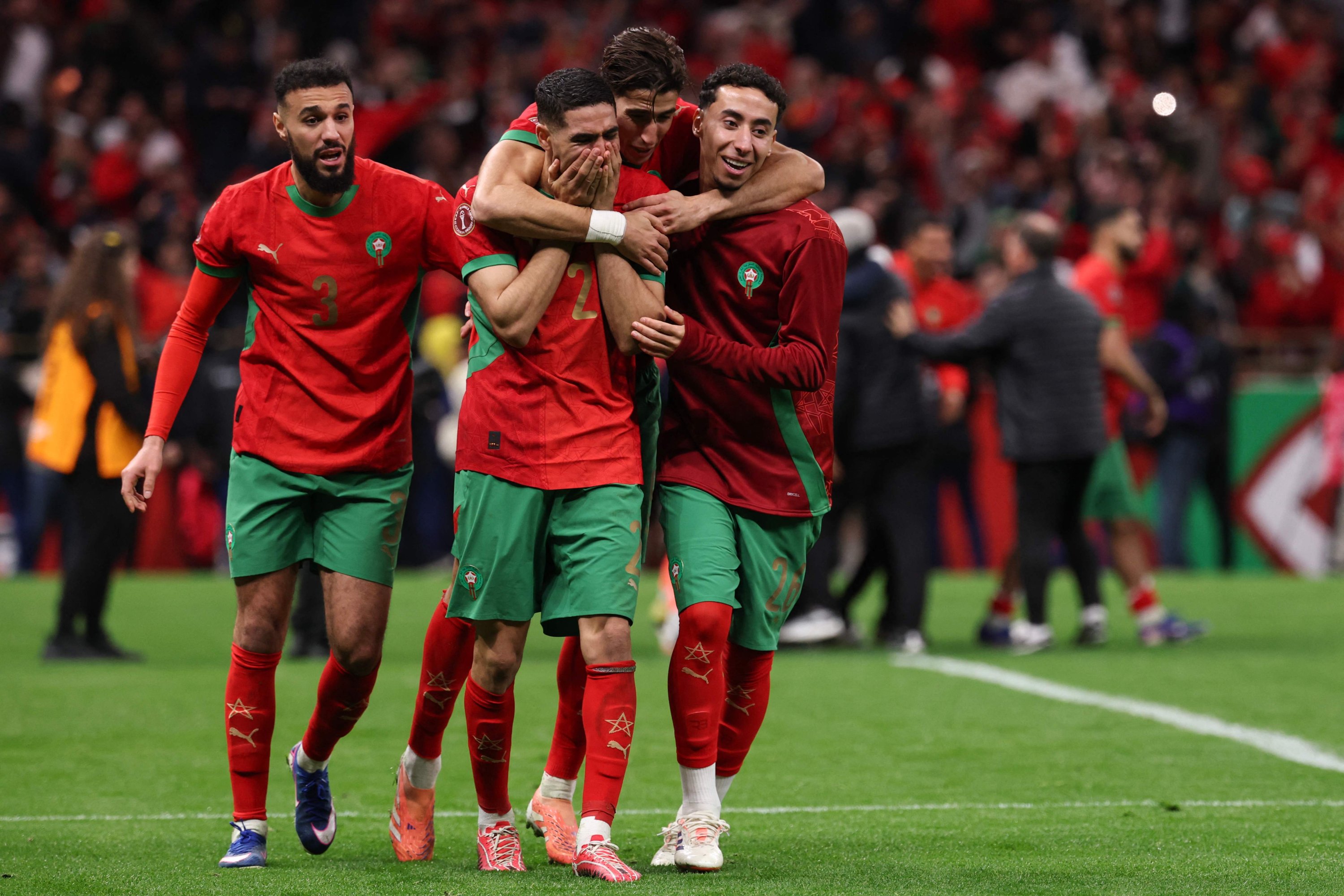
Goalkeeper Yassine Bounou emerged as the hero, his saves sparking celebrations in a stadium that has steadily become a fortress for the hosts.
Backed by a home crowd advantage, Morocco have combined control in midfield with intensity out wide.
Achraf Hakimi’s relentless overlapping runs, Sofyan Amrabat’s authority at the heart of the pitch and Youssef En-Nesyri’s physical presence have given the hosts balance and depth.
The final returns to the newly renovated Prince Moulay Abdellah Stadium, which reopened in 2025 and holds close to 70,000 supporters.
It staged the tournament’s opening match and Morocco’s dramatic semifinal and on Sunday night it is expected to be awash in red and green.
Morocco have yet to lose there during the competition and the atmosphere promises to be intense from the opening whistle.
Tactically, this final is unlikely to open up early.
Senegal will look to stay compact and strike through quick transitions, while Morocco will seek to control possession and push their fullbacks high.
The duel between Hakimi and Ismaila Sarr on the flank, the midfield battle for tempo and Sadio Mane’s movement against Morocco’s center backs could all prove decisive.
Everything points toward a contest decided by fine margins.
Morocco’s home advantage and defensive record make them slight favorites, but Senegal’s knockout pedigree and big-game mentality cannot be underestimated.
Extra time and even penalties, remain a strong possibility.