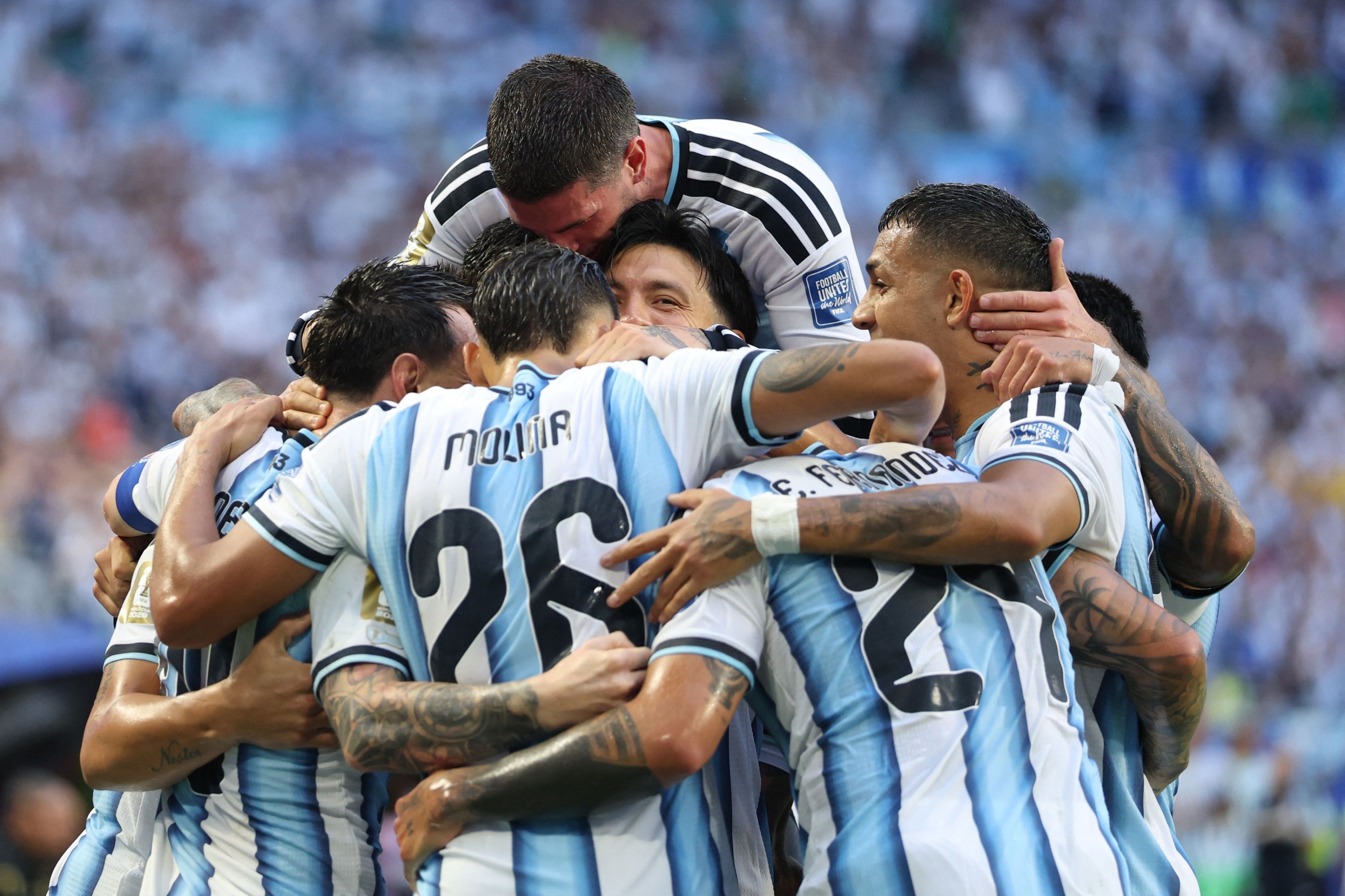
Argentina survived one of the biggest scares in World Cup history Friday, needing an own goal deep into extra time to edge fearless debutants Cape Verde 3-2 in a breathtaking round-of-32 clash that showcased the expanding global reach of the tournament.
The defending champions appeared destined for a routine victory after Lionel Messi opened the scoring, but Cape Verde twice battled back to stun the Albiceleste before Diney Borges' unfortunate own goal in the 111th minute finally ended one of the tournament's greatest underdog stories.
Argentina, chasing the first successful World Cup title defense since Brazil in 1962, advance to face Egypt in the round of 16 on Tuesday in Atlanta.
But Lionel Scaloni's side were pushed to their absolute limit by a nation ranked 65 places below them by FIFA.
Messi fired Argentina ahead in the 29th minute with his tournament-leading seventh goal and 20th career World Cup strike, seemingly putting the holders on course for another comfortable victory.
Cape Verde had other ideas.
After an impressive start to the second half, Deroy Duarte deservedly leveled in the 59th minute, silencing the crowd at Hard Rock Stadium and giving the African newcomers renewed belief.
The Blue Sharks held firm to force extra time, where Argentina regained the lead in the 92nd minute through Lisandro Martinez after a clever flick-on from Alexis Mac Allister.
Remarkably, Cape Verde responded again.
Sidny Lopes Cabral produced one of the goals of the tournament in the 103rd minute, cutting inside before curling a superb shot into the top corner beyond Emiliano Martinez to make it 2-2.
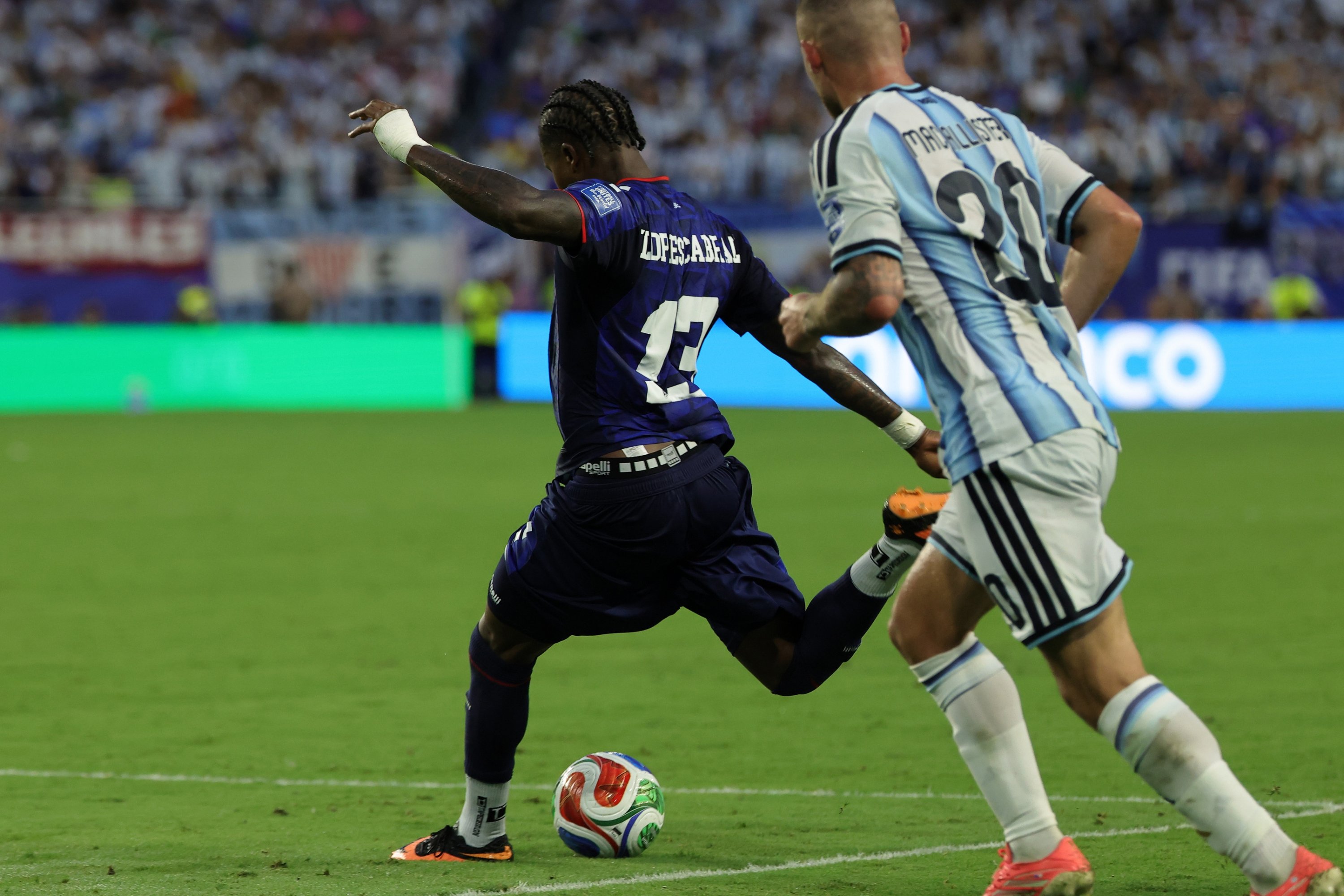
Only eight minutes later did Argentina finally find the decisive breakthrough.
Messi's corner found Cristian Romero, whose header struck the hand of defender Borges and deflected into the net. Because the touch came from a defender and benefited the attacking team, the goal stood, ending Cape Verde's heroic resistance.
Argentina still needed two late saves from Emiliano Martinez, including a crucial stop from Cabral, before securing a victory that left the world champions relieved rather than celebratory.
"It was a very difficult match, more difficult than we expected," Messi said afterward. "They showed why they drew against Spain and Uruguay. They are disciplined, intense and have their own weapons. We knew we would suffer, and we did."
Scaloni admitted his side had escaped.
"It was a very tough match. This team never gives up," the Argentina coach said. "We have to congratulate the opponent. When people say there are no easy opponents at a World Cup, they proved today they are a great team. Losing to Cape Verde would have been madness."
While Argentina survived, Cape Verde departed with their reputation transformed.
Playing in their first World Cup, the Portuguese-speaking island nation had already earned worldwide admiration after holding former champions Spain and Uruguay in the group stage. Against Argentina, they came within minutes of producing arguably the greatest upset the competition has ever witnessed.
Most of Cape Verde's squad play in modest leagues across Europe, yet they matched the reigning champions with relentless energy, organization and belief.
Forty-year-old goalkeeper Vozinha capped a remarkable tournament with another outstanding display, making eight saves after starring against Spain earlier in the competition.
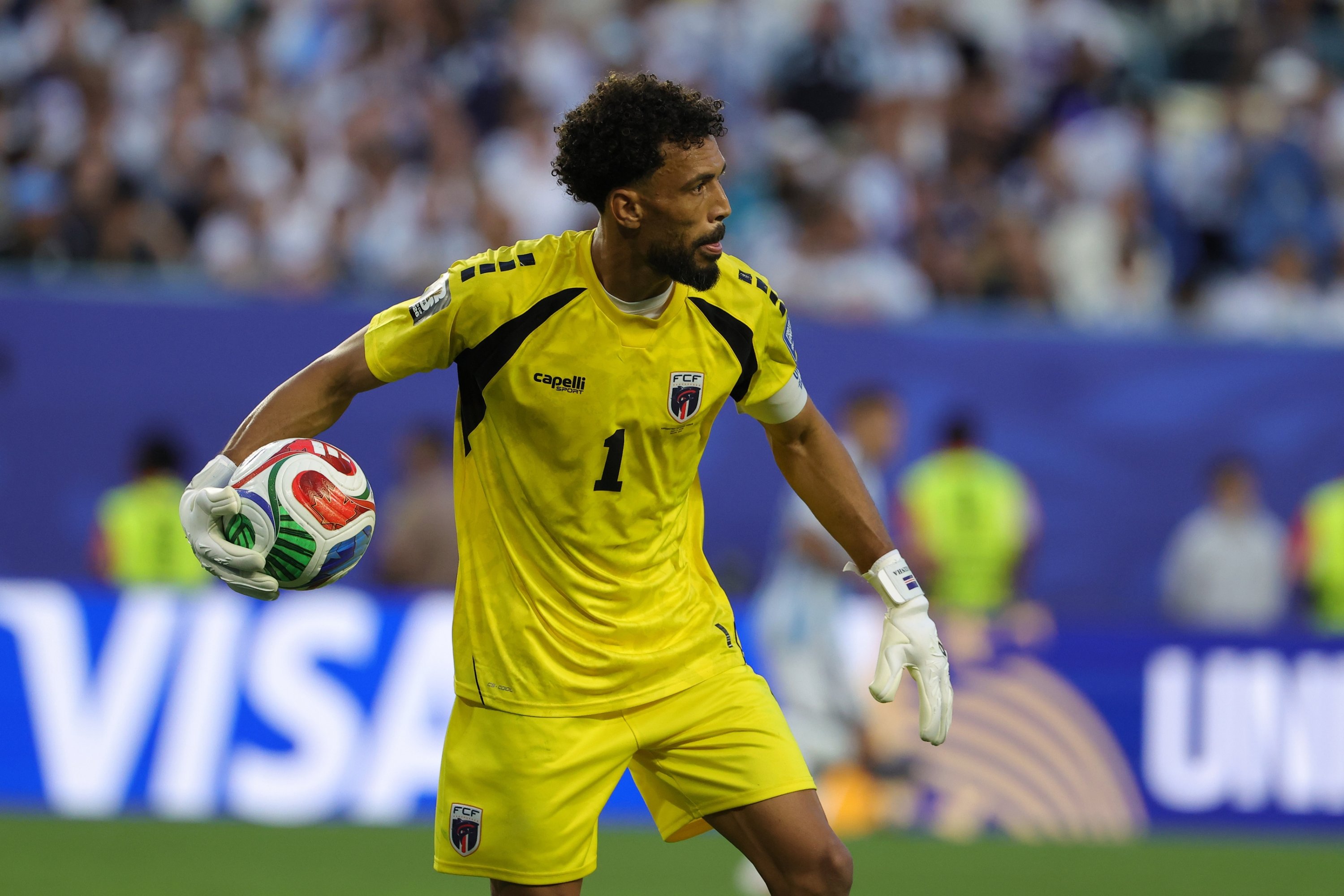
"Our team did everything we could to win the game," Vozinha said.
Ireland-born defender Pico Lopes, who famously joined the national team after initially ignoring recruitment messages on LinkedIn, reflected on what the team had accomplished.
"What we achieved was to show what is possible for small nations," Lopes said. "With big hearts, you can believe and dream that anything is possible."
He later added the words that perfectly summed up Cape Verde's unforgettable World Cup journey.
"Nobody has to ask where Cape Verde is now."