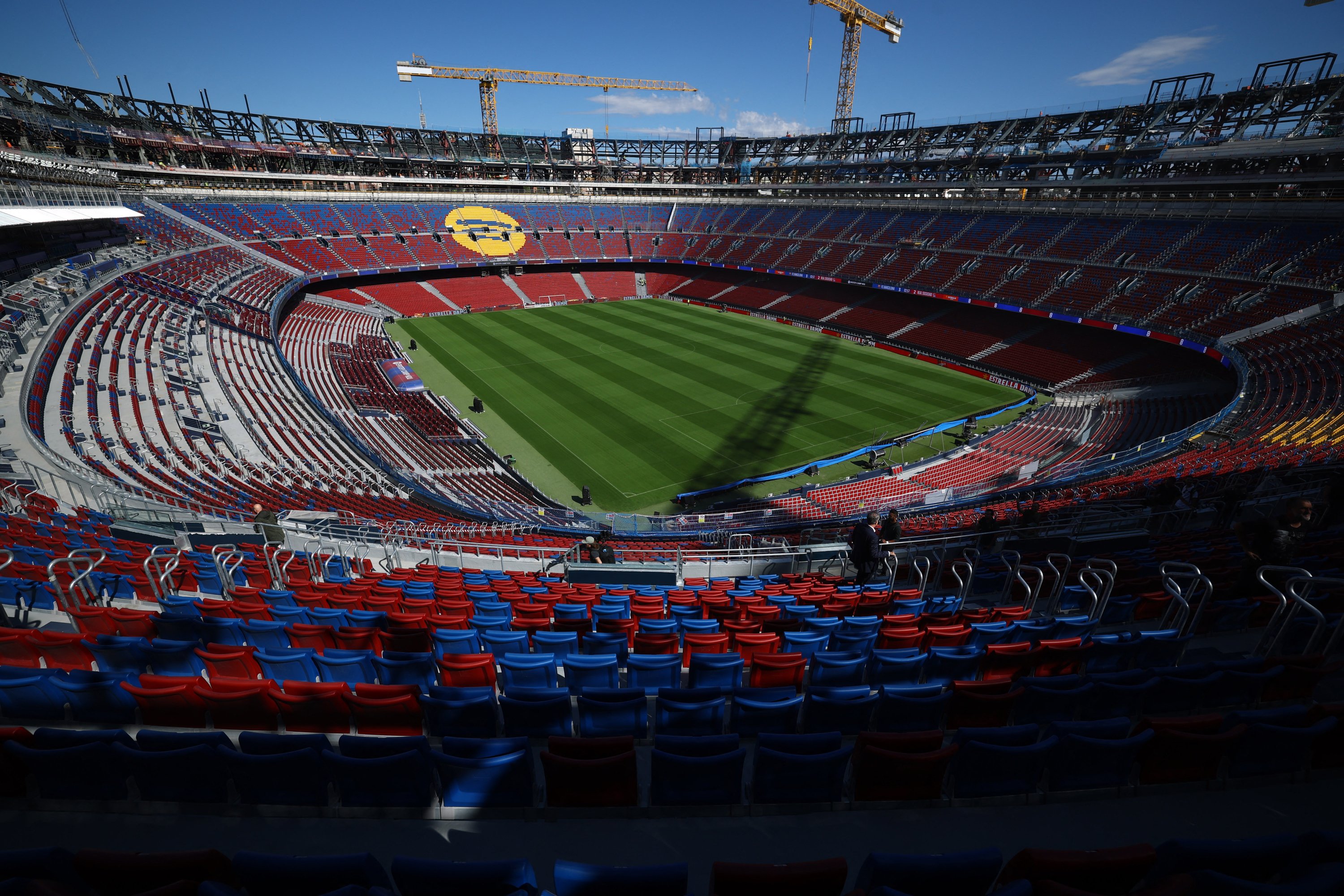
Barcelona took a significant step toward reopening its iconic Spotify Camp Nou on Friday, receiving Phase 1A occupancy approval from the Barcelona City Council.
The permit allows the use of the Main Stand and two lower sections behind the South Goal, enabling a limited capacity of 27,000 spectators.
This milestone marks the first chapter in the club’s phased plan to unveil the fully renovated stadium, a transformation that began in June 2023 under the Espai Barça project.
The 1.5 billion euro ($1.8 billion) overhaul, led by architectural firms Nikken Sekkei and Joan Pascual, has modernized the 70-year-old venue with solar panels, improved accessibility, a new museum, hospitality areas and UEFA-standard facilities.
After extensive safety and structural inspections, city officials confirmed the sections meet all municipal and fire safety regulations.
Despite the green light for Phase 1A, Barcelona has opted not to rush the return, sources tell SPORT.
President Joan Laporta and the board prefer to wait for Phase 1B approval, which would expand capacity to roughly 45,000-47,000 fans.
The decision is strategic: avoiding operational strain from limited seating while maximizing ticket and hospitality revenue, especially during marquee matchdays.
The move also reflects lessons from Camp Nou’s temporary exile to Estadi Olimpic Lluis Companys, where attendance averaged 40,000-50,000 but lacked the vibrant atmosphere of home.
Fans, sidelined for more than two years, can expect a grander, more festive return when the full stadium reopens.
Barcelona aim to secure Phase 1B approval by mid-November 2025, opening the side stands and enabling full UEFA-compliant configurations.
Final inspections – covering electrical systems, emergency exits and acoustics – are on schedule.
If approved, FC Barcelona could host Athletic Bilbao at Camp Nou on Nov. 23 in La Liga Matchday 13, a rematch of last season’s Copa del Rey final. T
he fixture carries extra intrigue: Barcelona leads the league unbeaten, while Athletic Bilbao sits in the top four.
UEFA approval remains a key factor for mid-season Champions League matches.
While the current 27,000-seat Phase 1A meets minimum requirements, Phase 1B is essential for accommodating traveling supporters and broadcast standards.
Club officials remain optimistic, citing similar transitions at other European clubs, with a decision expected within weeks.
Looking ahead, the Espai Barça project will be completed by summer 2026, featuring a revamped North Stand, underground parking and integration with Les Corts.
The initiative, partially funded by a 595 million euro Goldman Sachs loan and 25% of future stadium revenues, aims to restore Camp Nou as Europe’s largest club stadium while generating 200 million euros annually through events, tourism and corporate partnerships.