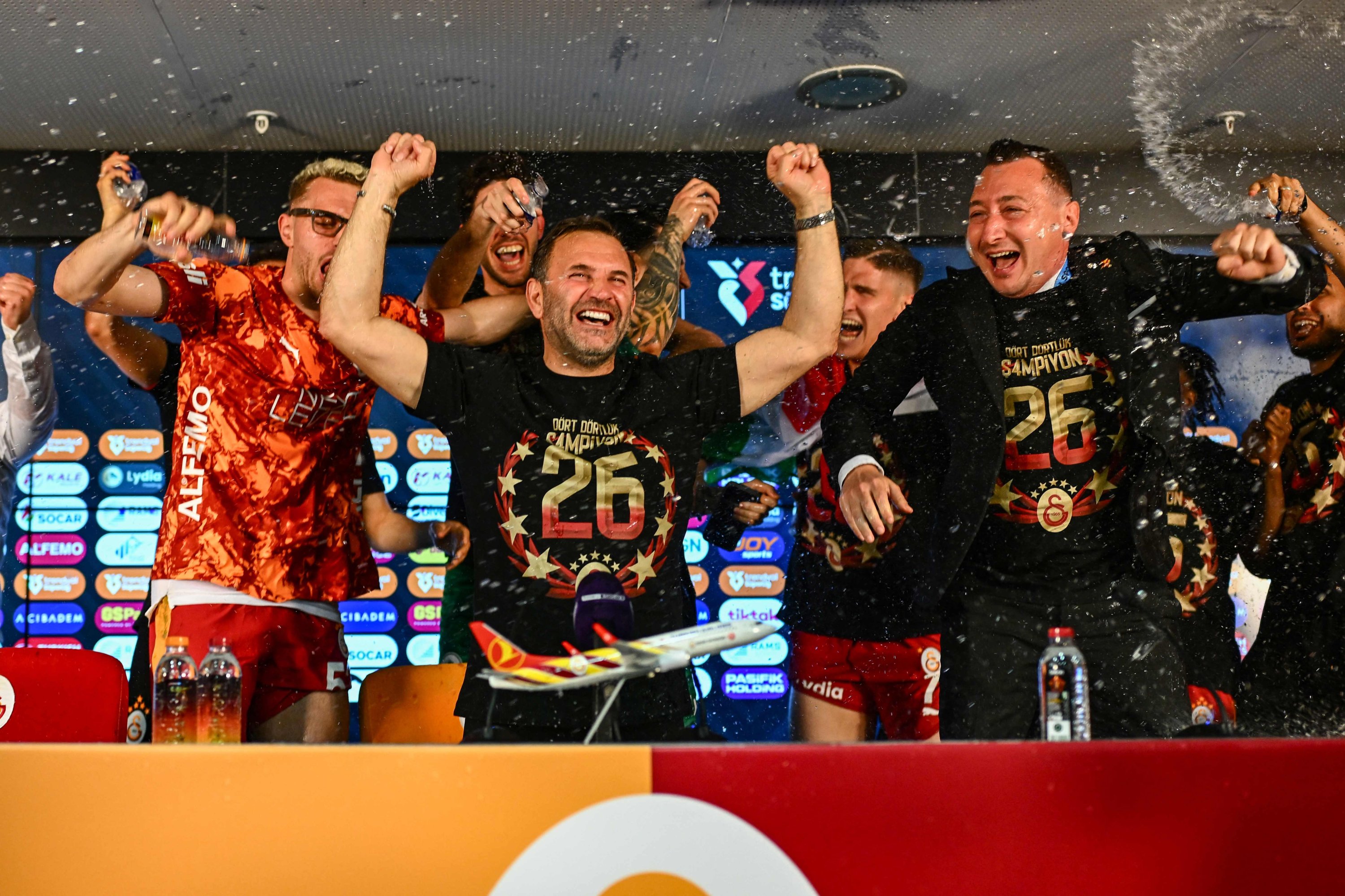
Galatasaray’s sustained dominance in Turkish football now sits firmly among Europe’s most defining domestic dynasties of the 21st century.
Across the continent’s top leagues since the 1999-2000 season, few clubs have matched the consistency of Galatasaray.
The Istanbul giants have collected 13 Süper Lig titles in that span, a record that places them second only to Germany’s relentless benchmark setters, Bayern Munich.
That level of success becomes more striking when measured against Europe’s broader elite.
Bayern stand alone with 20 Bundesliga crowns since 2000, while Galatasaray sit in a shared tier with continental heavyweights FC Barcelona, FC Porto and PSV Eindhoven, all of whom have won 13 league titles in the same period across their respective competitions.
The latest chapter in Galatasaray’s dominance came with a fourth consecutive Süper Lig title, sealed in emphatic fashion through a 4-2 win over Antalyaspor.
The victory confirmed a record 26th league championship overall and reinforced their position as the defining force in Turkish football’s modern era.
Under coach Okan Buruk, the club has combined tactical stability with attacking efficiency, sustaining a winning cycle that has proven difficult for domestic rivals to disrupt.
The influence of Victor Osimhen has been central, with key goals and consistent performances shaping decisive moments across the title run.
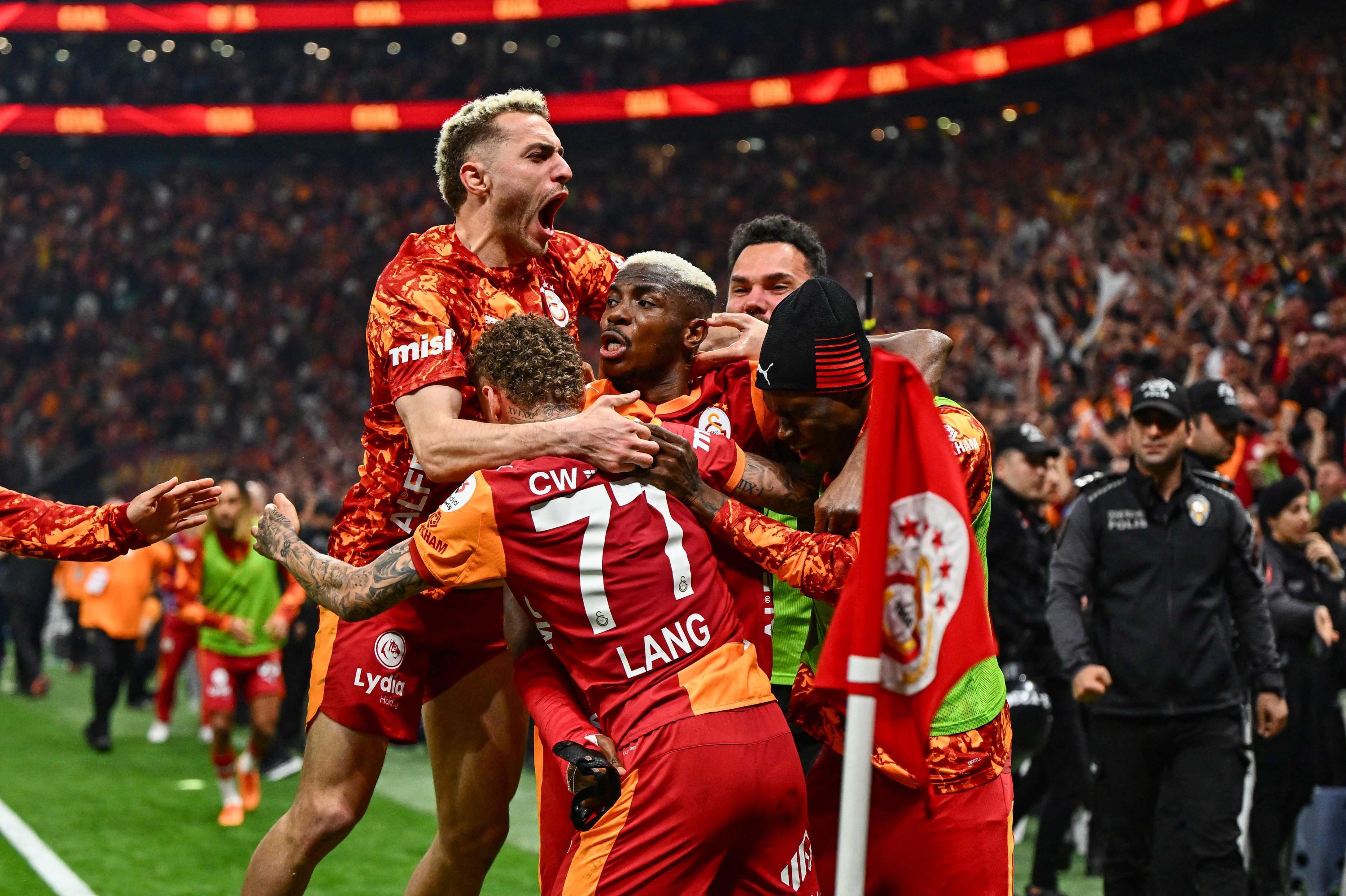
Within Türkiye, the gap is significant. Since 2000, Fenerbahçe have claimed six league titles, Beşiktaş five, while Trabzonspor, Bursaspor and İstanbul Başakşehir have each managed one. Galatasaray’s 13 titles place them comfortably ahead of the rest combined, underscoring a sustained domestic hierarchy.
The broader European picture in the 2025-26 season has largely reinforced familiar power structures.
In Spain, Barcelona reclaimed La Liga with authority, finishing well clear of Real Madrid after a season defined by control in decisive fixtures.
Their campaign was marked by consistency rather than late surges, a reflection of renewed stability at the top of Spanish football.
Italy saw Inter Milan secure the Serie A title with composure and balance, driven by the leadership of Lautaro Martinez and a squad built around defensive structure and efficient finishing. Inter’s early clinch highlighted their superiority over Napoli and Juventus across the campaign.
In Germany, Bayern Munich once again set the standard. Their latest Bundesliga title reinforced a pattern that has defined the league for more than two decades, where challengers emerge but rarely sustain pressure through an entire season.
Portugal’s Primeira Liga returned to FC Porto, who combined defensive discipline with clinical execution to edge out their rivals in another tight race. In the Netherlands, PSV continued their modern domestic dominance with a third straight Eredivisie crown, extending a cycle of control built on squad depth and attacking consistency.
France followed a similar script. Paris Saint-Germain moved close to another Ligue 1 title, maintaining their long-standing grip on domestic football despite intermittent pressure from Lens and Lille.
England remains the only major league where the title race is still unresolved. Arsenal hold a narrow advantage over Manchester City, with the margin kept tight by City’s game in hand and Arsenal’s slim victories in recent weeks. The race remains finely balanced heading into the final fixtures.
Across all these leagues, a clear pattern has emerged. Established clubs continue to dominate their domestic environments, with only limited disruption from challengers capable of sustaining pressure over a full season.
Within that structure, Galatasaray’s record stands out not only for its volume but for its consistency across multiple cycles of success. Their 13 league titles since 2000 place them in rare company, particularly when measured against the competitive volatility of Turkish football.
More broadly, their recent four-year domestic streak signals a club operating with sustained control rather than short bursts of form.
Combined with their historic European breakthrough in 2000, Galatasaray’s modern identity is increasingly defined by long-term dominance at home and periodic ambition abroad.