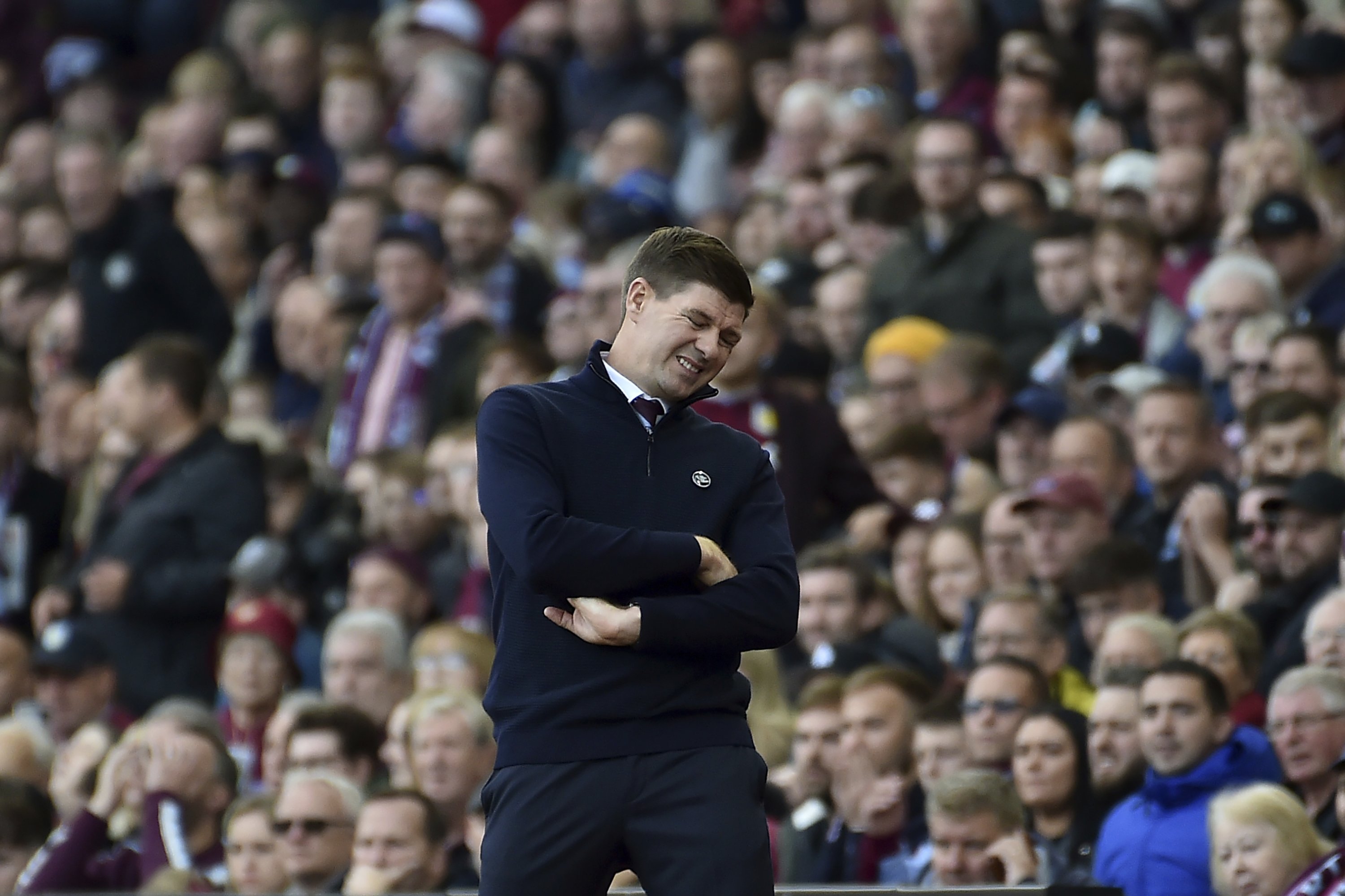
Steven Gerrard, the former Liverpool and England captain, has opened up on why England’s celebrated “golden generation” of the 2000s never fulfilled its potential, describing his squad as “egotistical losers” who failed to forge the team spirit needed to win major international tournaments.
The England squads of Gerrard’s era, packed with world-class talents including David Beckham, Paul Scholes, Rio Ferdinand, Frank Lampard and Wayne Rooney, consistently fell short on the biggest stage, never progressing past the quarter-finals.
On the Rio Ferdinand Presents podcast, Gerrard reflected on the disconnect between players, contrasting their bitter club rivalries at the time with the camaraderie they now enjoy as pundits.
“I watch the telly now and see Carragher next to Scholes on a fan debate and they look like they’ve been best mates for 20 years,” Gerrard said. “Why are we mature enough now and closer in life? Why couldn’t we connect as England teammates back then? It was down to the culture within England. We were all in our rooms too much. We weren’t friendly or connected. We weren’t a team. We never became a real, strong team.”
Gerrard admitted he often felt isolated despite loving the pride of representing his country.
“I used to enjoy the training sessions, but after 90 minutes of play, I’d just be on my own in London or Romania or wherever,” he said, underlining the personal frustration that accompanied England’s failures.
The former midfielder pinpointed the intense club rivalries as a key factor. England’s stars were dominating at club level – Premier League titles, Champions League victories, and individual accolades were abundant – yet the same level of cohesion failed to materialize on the international stage.
“So why didn’t we connect when we were 20, 21, 22, 23? Was it ego? Was it rivalry?” Gerrard asked. “It was a combination of things, but one big reason was that we weren’t a team. We were a group of individuals with talent, and it never works like that.”
Despite the golden talent pool, England’s misfortune extended to on-field incidents such as penalty shootouts and close defeats, leaving a lingering sense of what might have been.
Gerrard singled out the current England era under Gareth Southgate as a model of team connection and effective leadership, highlighting that the same group of players now exhibit the camaraderie that was absent two decades ago.
Since retiring from international football in 2014, Gerrard has built a managerial career with highs and lows.
He led Rangers to the 2020-21 Scottish Premiership title but struggled in the Premier League with Aston Villa and in Saudi Arabia with Al-Ettifaq.
Speaking on future ambitions, Gerrard revealed he still feels a pull to the dugout. “There’s a part of me that feels there’s unfinished business – wanting to face another couple of exciting challenges,” he said. “But I want a certain type of challenge. If the ideal opportunity comes along, I’ll jump at it. If it doesn’t, I won’t go back in. I want to be at a team that’s going to compete to win because that suits me better.”
Gerrard is reportedly among the favorites to return to Rangers following the sacking of Russell Martin.