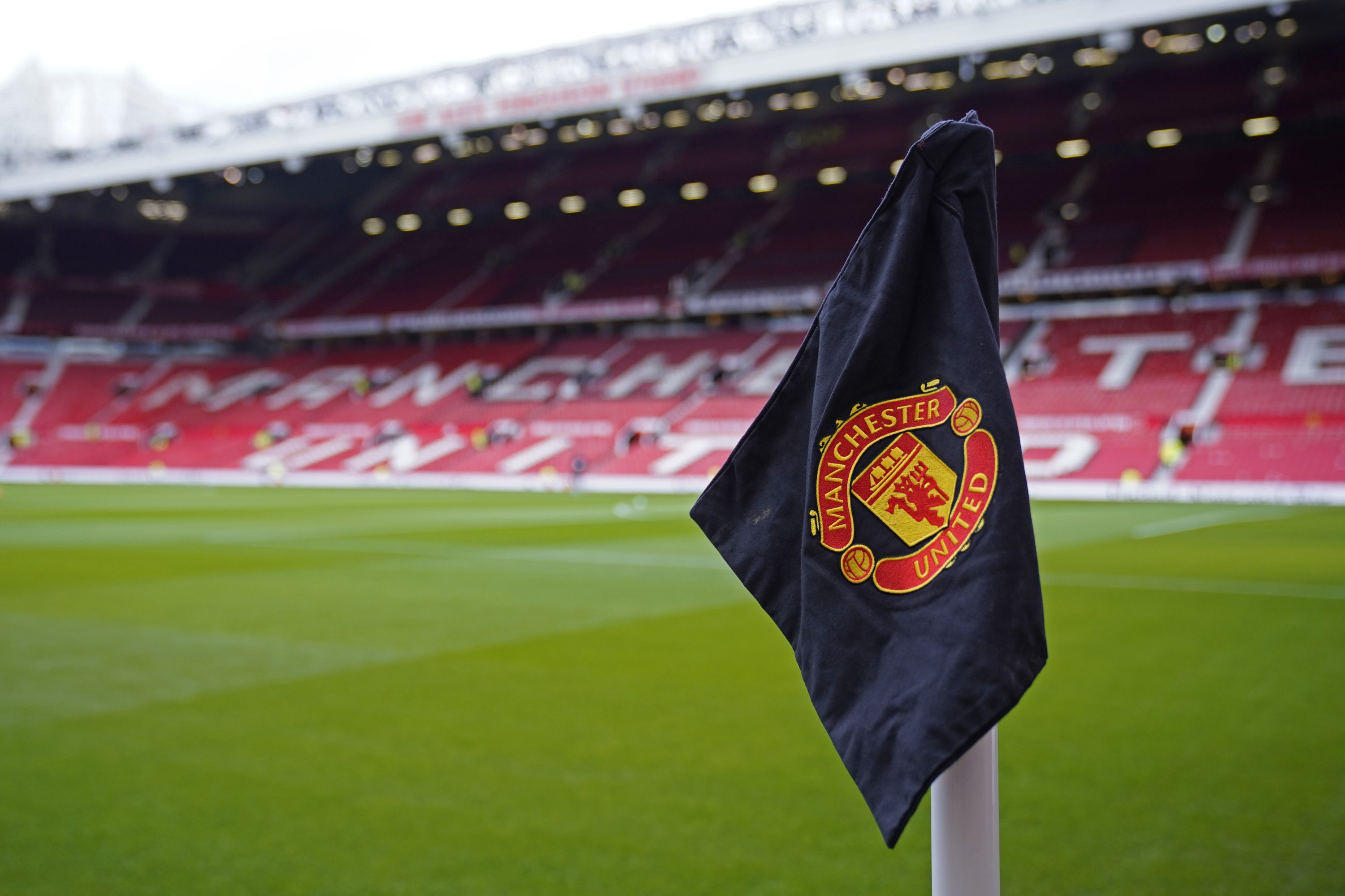
Fresh uncertainty has emerged around the long-term ownership of Manchester United, with some members of the Glazer family now actively debating whether to sell part or all of their stake after more than 20 years in control, according to a Bloomberg News report citing people familiar with the discussions.
The conversations, which remain internal and informal, reportedly began with a few family members exploring personal stake sales before expanding into broader discussions about whether a coordinated divestment could be possible. Those involved are now said to be attempting to persuade other relatives to consider joining a larger transaction, though no agreement has been reached.
The Glazers, who took control of Manchester United through a leveraged buyout in 2005, still retain majority ownership despite selling a roughly 29% stake to INEOS chairman Sir Jim Ratcliffe in early 2024.
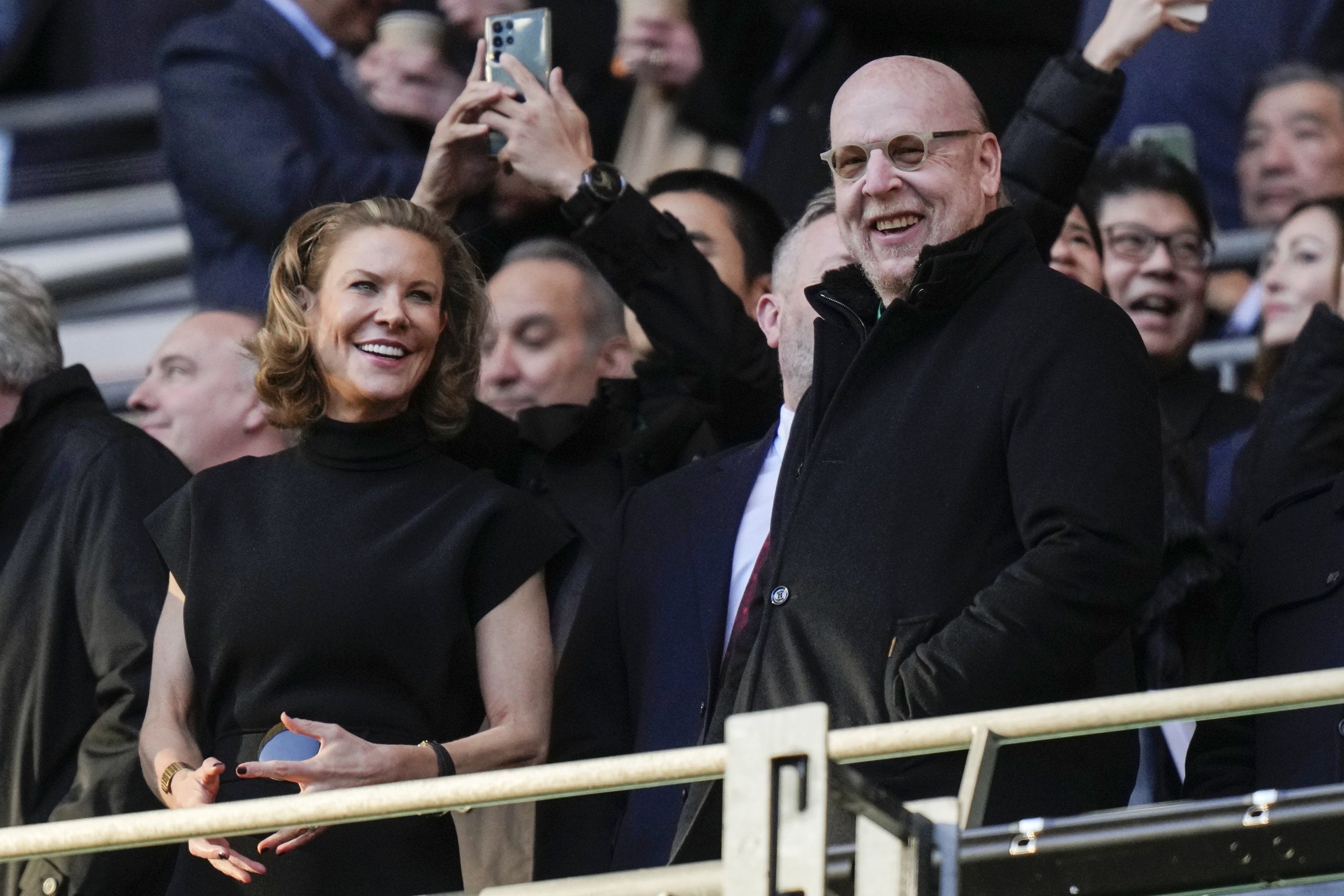
That deal gave Ratcliffe control over football operations while leaving the broader ownership structure intact, adding a new layer of complexity to any potential future sale.
Market reaction was immediate. Manchester United shares rose about 7% in extended trading following the Bloomberg report, reflecting investor sensitivity to any shift in ownership direction.
The stock closed at $21.11, valuing the club at roughly $3.64 billion based on data from LSEG.
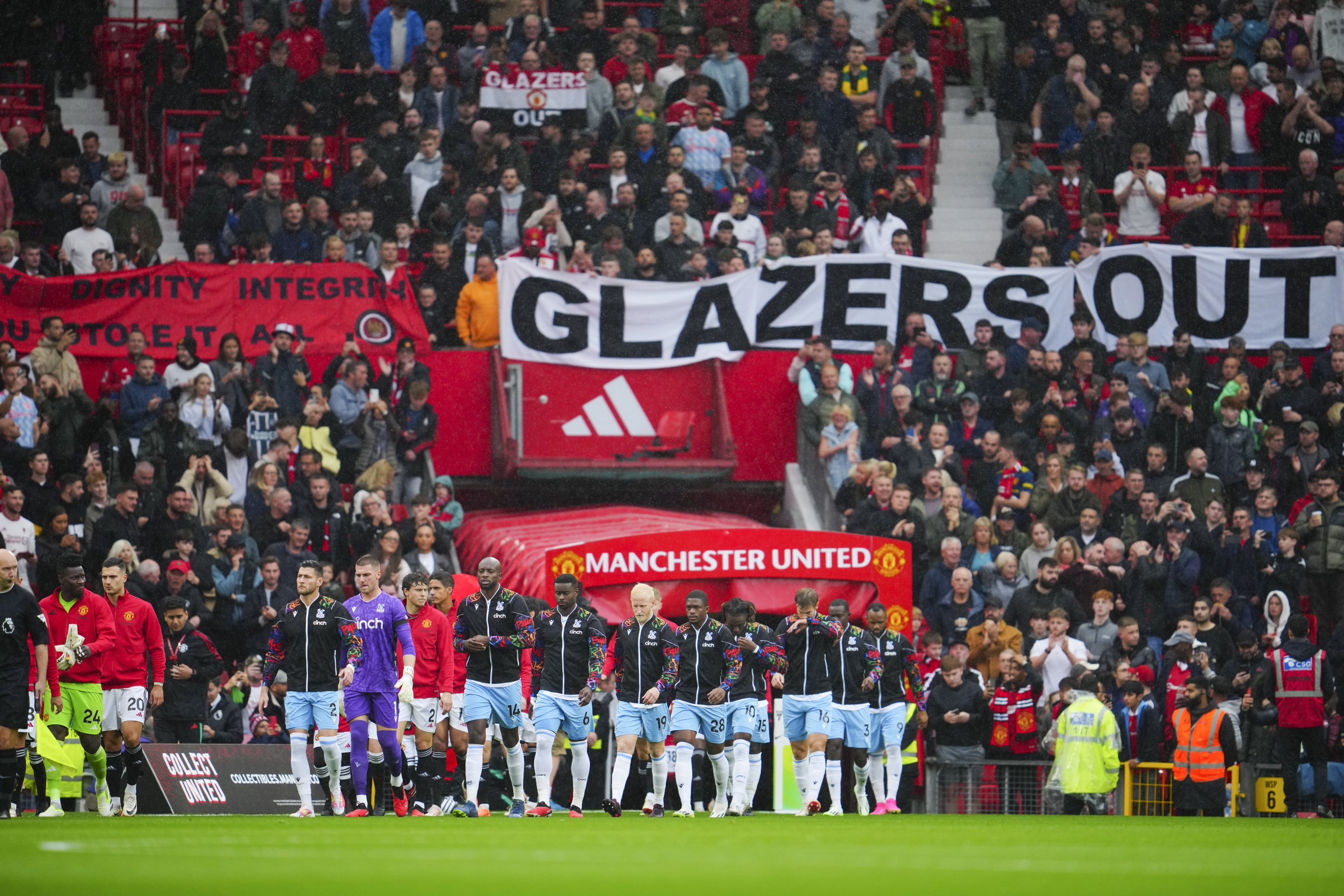
The Glazer era has remained one of the most divisive in modern football. Supporters have long criticized the leveraged takeover that saddled the club with significant debt, arguing it has constrained investment in infrastructure and contributed to uneven sporting performance since the retirement of Sir Alex Ferguson in 2013. Protests and sustained opposition have persisted across multiple seasons, particularly during periods of on-field instability.
In recent years, Ratcliffe’s involvement has introduced structural and operational changes, including cost reductions and adjustments to matchday pricing, as part of a broader push to stabilize finances and reshape the club’s sporting direction. While supporters remain split on the impact, the changes underscore an ongoing transition in how football operations are managed at Old Trafford.
On the pitch, United showed signs of recovery last season, finishing third in the Premier League under interim manager Michael Carrick after a difficult campaign the year prior. That result secured Champions League qualification for the first time in two seasons, offering a rare competitive lift amid continued uncertainty off the field.
Despite recent improvements, questions around long-term investment remain. The club continues to carry substantial debt and faces unresolved plans for Old Trafford’s redevelopment or potential replacement, a project that could require billions in funding and years of planning.
Any potential sale would likely face structural hurdles, including the club’s dual-class share system and existing agreements tied to Ratcliffe’s minority stake, which could complicate negotiations or limit the scope of a full exit.