U.S. Immigration and Customs Enforcement will serve as a key pillar of security for the 2026 FIFA World Cup, a role that places the agency at the heart of the largest tournament in the sport’s history and at the center of an ongoing political storm.
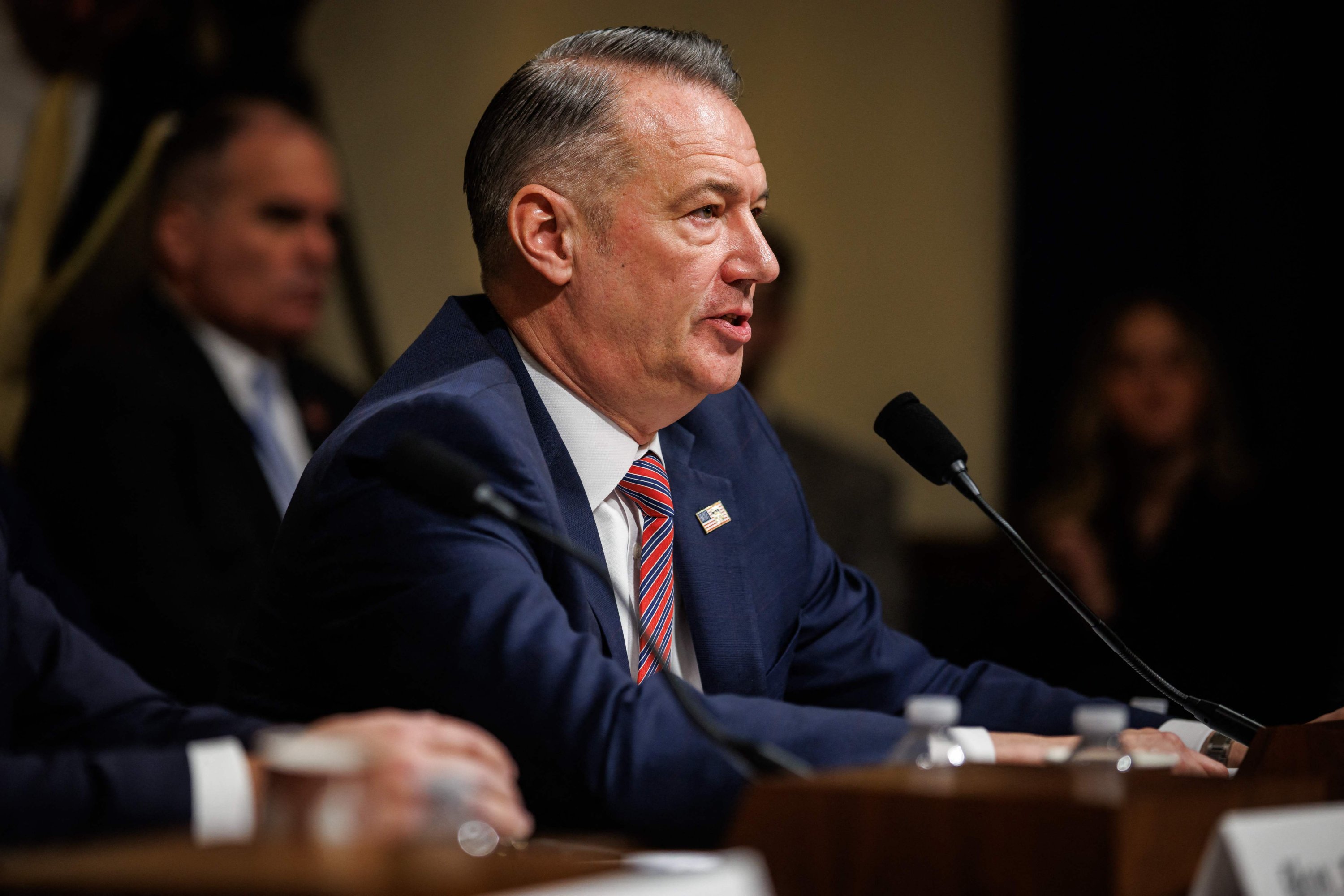
Acting ICE Director Todd Lyons told the House Committee on Homeland Security that Homeland Security Investigations, the agency’s investigative arm, will be fully integrated into World Cup operations.
“HSI is a key part of the overall security apparatus for the World Cup,” Lyons said, responding to Rep. Nellie Pou of New Jersey, whose district includes MetLife Stadium, the scheduled site of the final. He made clear the agency does not plan to pause enforcement actions around matches or FIFA events, adding that ICE is “dedicated to securing that operation” and to protecting “participants as well as visitors.”
The expanded 48 team tournament begins June 11 and runs through July 19 across 16 cities in the United States, Mexico and Canada. With 104 matches and millions of expected visitors, it will be the largest World Cup ever staged, requiring coordination across federal, state and international agencies under the Department of Homeland Security.
HSI typically handles counterterrorism intelligence, visa security, human trafficking investigations, financial crimes and cross border threats. At global sporting events, its focus includes intelligence sharing, fraud investigations, smuggling networks and potential risks to venues and teams. Deportations and detention operations fall under a separate ICE division.
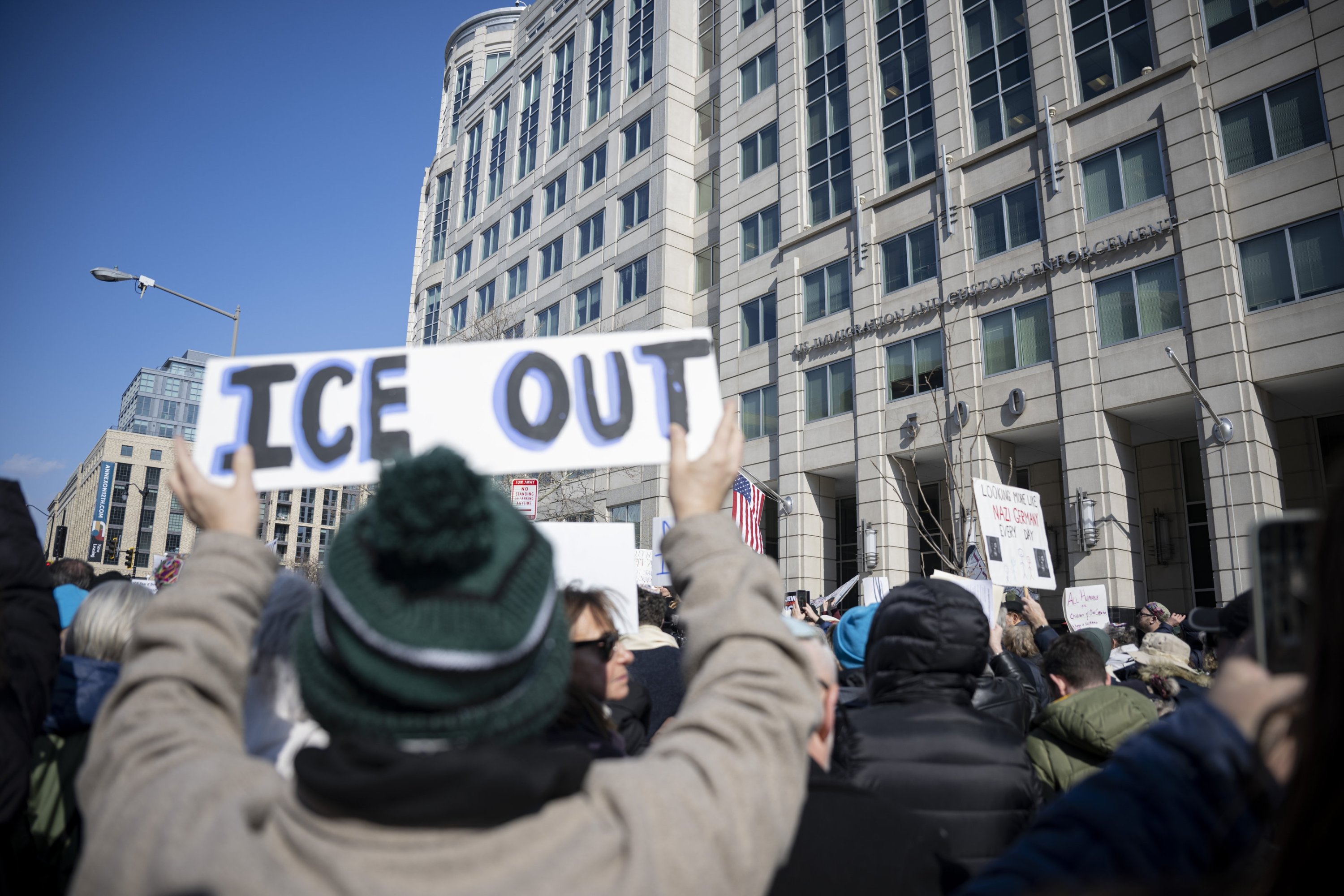
Still, the agency’s expanded visibility comes during a period of heightened criticism. ICE has drawn backlash over aggressive street level arrests and allegations of wrongful detentions. Recent incidents, including a fatal encounter involving federal agents in Minnesota, have intensified scrutiny, though administration officials have rejected claims of misconduct tied to broader policy.
Abroad, ICE’s presence at the Winter Olympics in Milan and Cortina d’Ampezzo has sparked protests. Demonstrations in Milan turned violent, leading to arrests, as activists objected to the deployment of ICE officers assigned to protect senior U.S. officials including Vice President JD Vance and Secretary of State Marco Rubio.
For the World Cup, federal officials frame ICE’s involvement as standard protocol for a major global event. Critics argue the agency’s reputation could shape how international fans view the United States as a host.