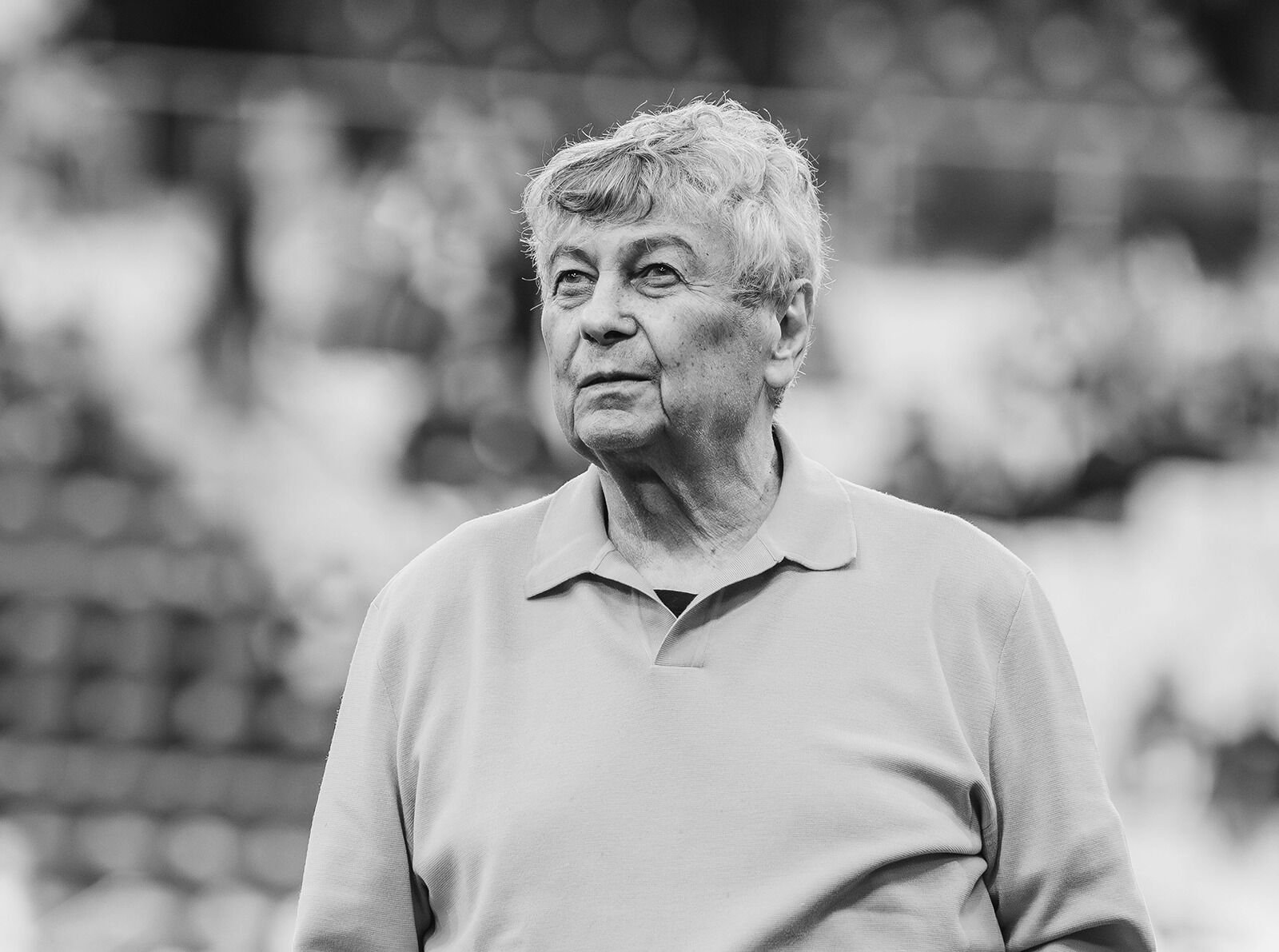
Turkish football paused in rare unity on Tuesday, mourning the loss of Mircea Lucescu, a coach whose influence cut across rivalries and eras, and whose final days reflected the same relentless commitment that defined his career.
Lucescu died at 80 in Bucharest following a series of heart complications, just days after stepping down as Romania’s head coach.
His health had deteriorated rapidly after a heart attack in early April, itself linked to earlier arrhythmia issues that surfaced during training.
Still, he remained on the touchline until the very end. His last match, a 2026 FIFA World Cup playoff defeat to Türkiye in Istanbul on March 26, quietly closed the book on a managerial journey spanning more than five decades and redefining longevity in elite football.
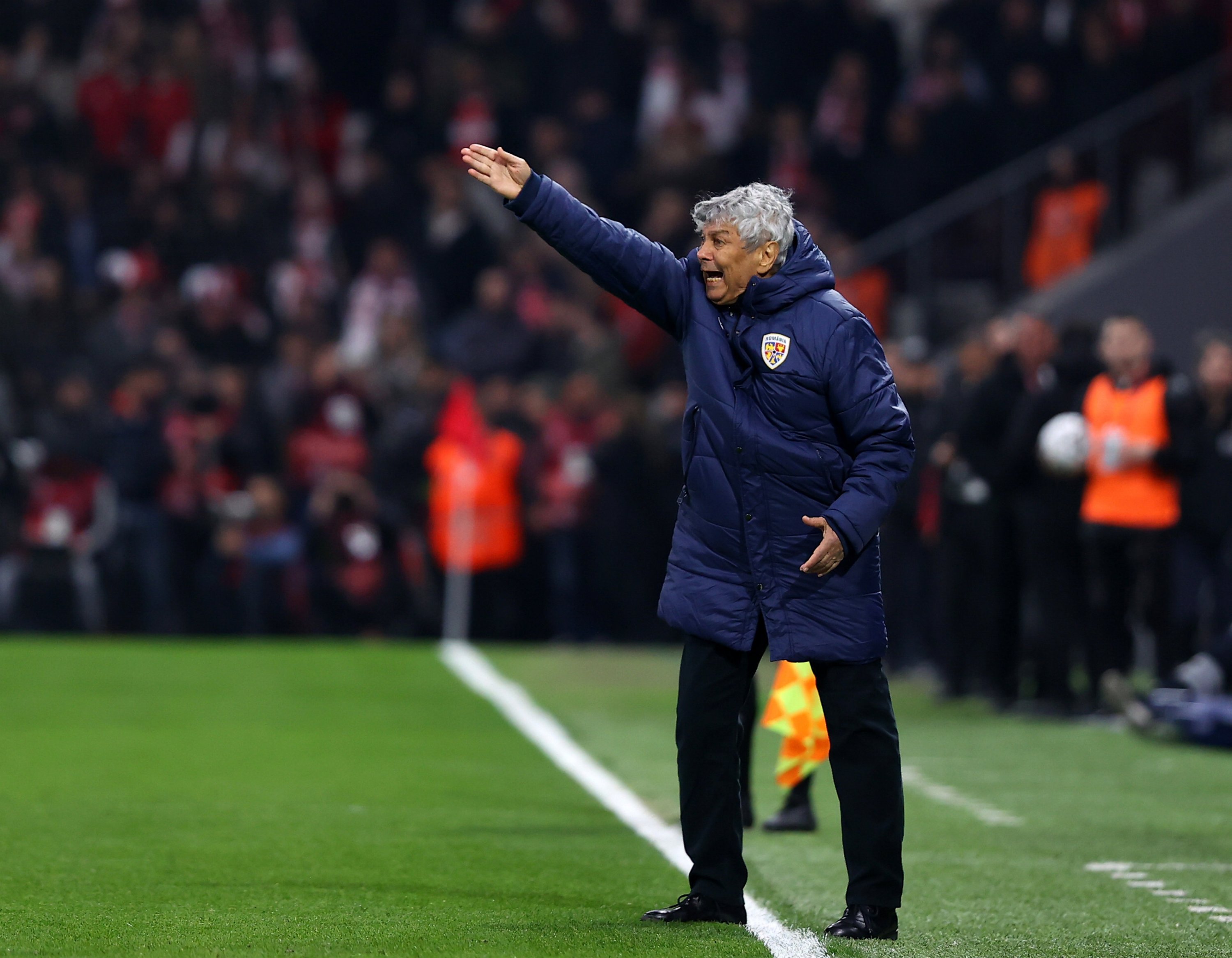
At 80, he was still setting records, the oldest active national team coach in a competitive fixture.
In Türkiye, where his legacy carries a distinct emotional weight, tributes arrived swiftly and in unison.
The Turkish Football Federation (TFF) led the response, joined by rivals Galatasaray, Beşiktaş, Fenerbahçe and Trabzonspor, all setting aside competition to honor a figure who transcended it.
Their statements echoed a shared sentiment: Lucescu was not just a winning coach, but a builder of teams, a mentor of players and a rare bridge between divided football cultures.
His Turkish story began in 2000, when he succeeded Fatih Terim at Galatasaray, inheriting a squad still echoing the club’s golden era.
Lucescu did not merely maintain that standard, he elevated it.
Within months, he guided Galatasaray to UEFA Super Cup glory against Real Madrid, adding a European crown that still stands among the club’s proudest achievements.
He followed with the 2001-02 Süper Lig title and a Champions League quarterfinal run, imprinting a style that balanced structure with attacking clarity.
Then came one of the boldest moves of his career. In 2002, Lucescu crossed Istanbul’s fiercest divide to take charge of Beşiktaş, a switch that would have broken lesser managers.
Instead, he delivered one of the most dominant seasons in Turkish league history.
Beşiktaş stormed to the 2002-03 title in their centenary year with a record 85 points, losing just once. It was a campaign defined by tactical discipline, squad harmony and a coach who understood both the psychology and pressure of Turkish football.
Yet Lucescu’s impact went beyond trophies.
During his tenure with the national team from 2017 to 2019, he oversaw a transitional period that laid the groundwork for future success. Results were uneven, but his long-term vision proved decisive.
He introduced a new generation to international football, handing debuts to Irfan Can Kahveci, Merih Demiral, Mert Müldür and Zeki Çelik, players who would later form the backbone of Türkiye’s resurgence and successful World Cup qualifying campaign.
On the global stage, his achievements were equally commanding.
At Shakhtar Donetsk, he built a modern powerhouse, winning eight league titles and lifting the 2009 UEFA Cup, the final edition of the competition.
His ability to sustain success across different countries, cultures and competitive environments set him apart. Whether in Ukraine, Italy or Türkiye, his teams shared a clear identity: tactically adaptable, mentally resilient and relentlessly organized.
Tributes across Turkish football captured both the breadth of his success and the depth of his character. The federation highlighted his silverware and his role in reshaping the national team. Galatasaray remembered the European nights he delivered. Beşiktaş honored the architect of their historic centenary triumph. Fenerbahçe and Trabzonspor, fierce rivals in their own right, joined in recognition of a coach who earned universal respect in a deeply divided landscape.
Moments from his final days now carry added weight. After the playoff match in Istanbul, Hakan Çalhanoğlu was seen embracing Lucescu, a quiet exchange between generations that now feels like a symbolic farewell. It was a fitting image for a coach who spent much of his later career guiding the next wave.
Born in 1945, Lucescu transitioned into management at just 34 and went on to become one of football’s most decorated figures, collecting more than 30 major trophies. But his legacy cannot be measured by silverware alone. He thrived in complexity, won with rivals, rebuilt struggling teams and remained driven long after most of his contemporaries had stepped away.
In Türkiye, his story feels uniquely personal. He arrived as an outsider and left as a figure woven into the fabric of the game, respected not just for what he won, but for how he carried himself.