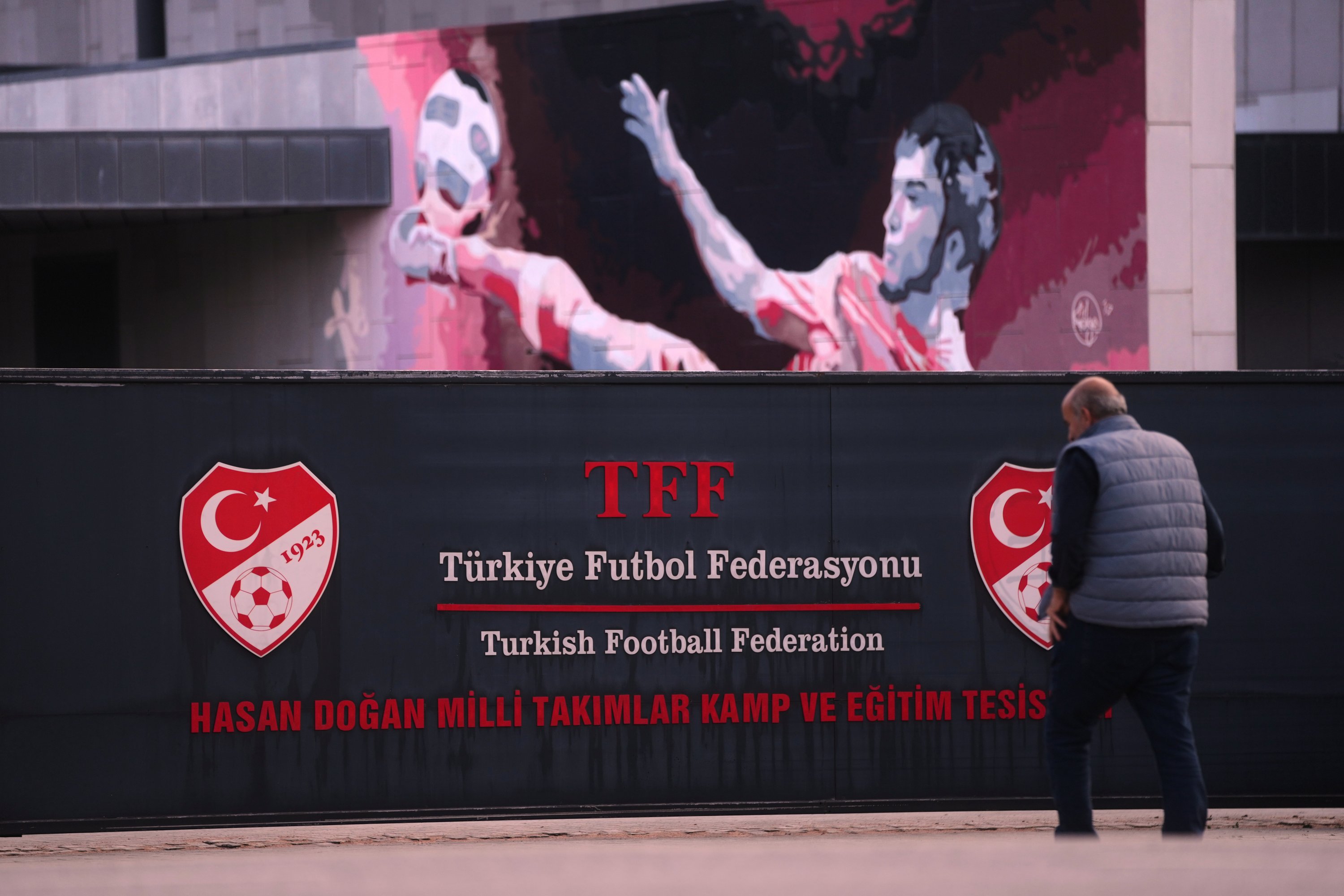
Turkish prosecutors have widened their grip on football’s biggest integrity crisis in years, detaining 32 suspects, including senior club executives in a sweeping match-fixing and illegal betting probe that now stretches across the country’s professional pyramid.
Acting on orders from the Istanbul Chief Public Prosecutor’s Office, police carried out coordinated raids in 10 provinces on Friday, targeting 33 individuals.
One suspect remains at large. Authorities say digital forensic work on betting accounts and financial transactions led them to executives who allegedly placed wagers on matches involving their own teams, including bets on rivals to win.
Under Türkiye’s Law No. 6222 on the Prevention of Violence and Disorder in Sports, betting on fixtures one can influence constitutes a criminal offense. Prosecutors argue the conduct goes beyond personal gambling, pointing to possible organized activity that could trigger heavier prison sentences if proven.
Names and club affiliations have not been released. Investigators seized phones, computers and financial documents as they attempt to map money flows and potential links to illegal betting networks.
The latest detentions are the newest chapter in what has become known as the 2025 Turkish football betting scandal, an investigation that first erupted inside the referee corps.
An internal audit by the Turkish Football Federation in October 2025 examined 571 active professional referees.
It found that 371 held registered betting accounts and 152 had actively wagered on football matches, including domestic and international fixtures. Several elite officials were among those implicated.
Within days, the federation suspended 149 referees and assistants for periods of up to a year and pledged tighter monitoring and ethics reforms. The crackdown soon expanded beyond match officials.
By November, more than 1,000 players across the Süper Lig and lower divisions had been referred to the Professional Football Discipline Board.
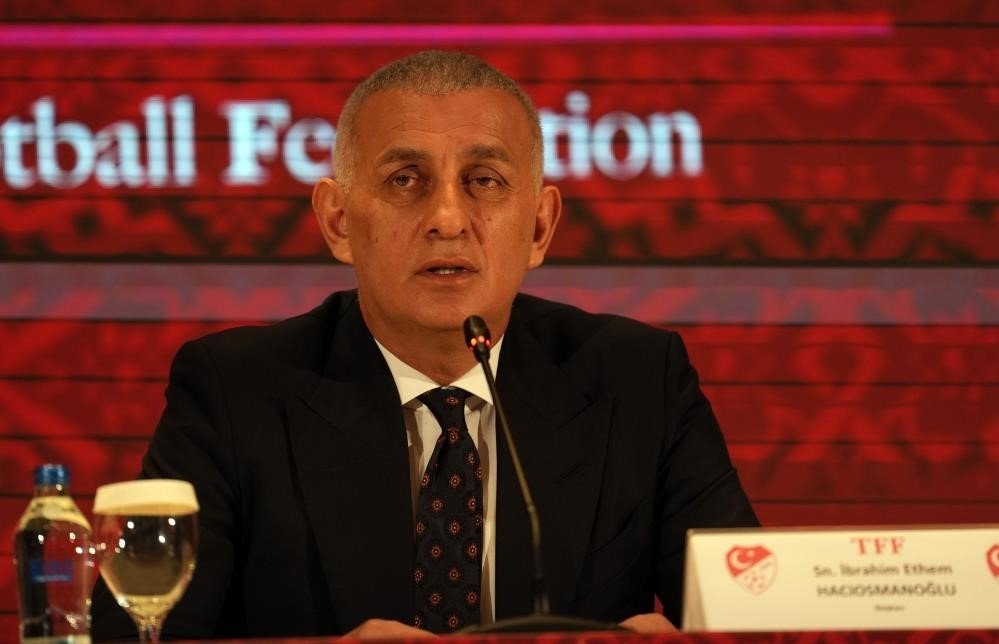
Suspensions followed, though some cases were later reduced or dropped after claims of identity theft or historical betting unrelated to their clubs.
Criminal proceedings escalated through late 2025 and early 2026, with multiple waves of arrests involving referees, club presidents and senior administrators.
Financial intelligence from Türkiye’s anti-money laundering authorities helped trace alleged illegal betting proceeds through club-linked accounts.
In one February operation, assets tied to lower-division clubs were seized on suspicion of laundering gambling revenue.
Friday’s operation signals a shift in focus toward executive decision-makers.
Prosecutors say evidence suggests certain officials may have used illegal betting channels not only for personal gain but, in some cases, to ease mounting club debts.
Authorities are also examining suspicious betting patterns tied to specific match events such as halftime scores, penalties and red cards.
The fallout has been profound.
Lower-league fixtures were postponed, disciplinary dockets swelled and Türkiye’s request for an emergency transfer window was rejected by FIFA.
Sponsors and broadcasters are watching closely as the investigation deepens.