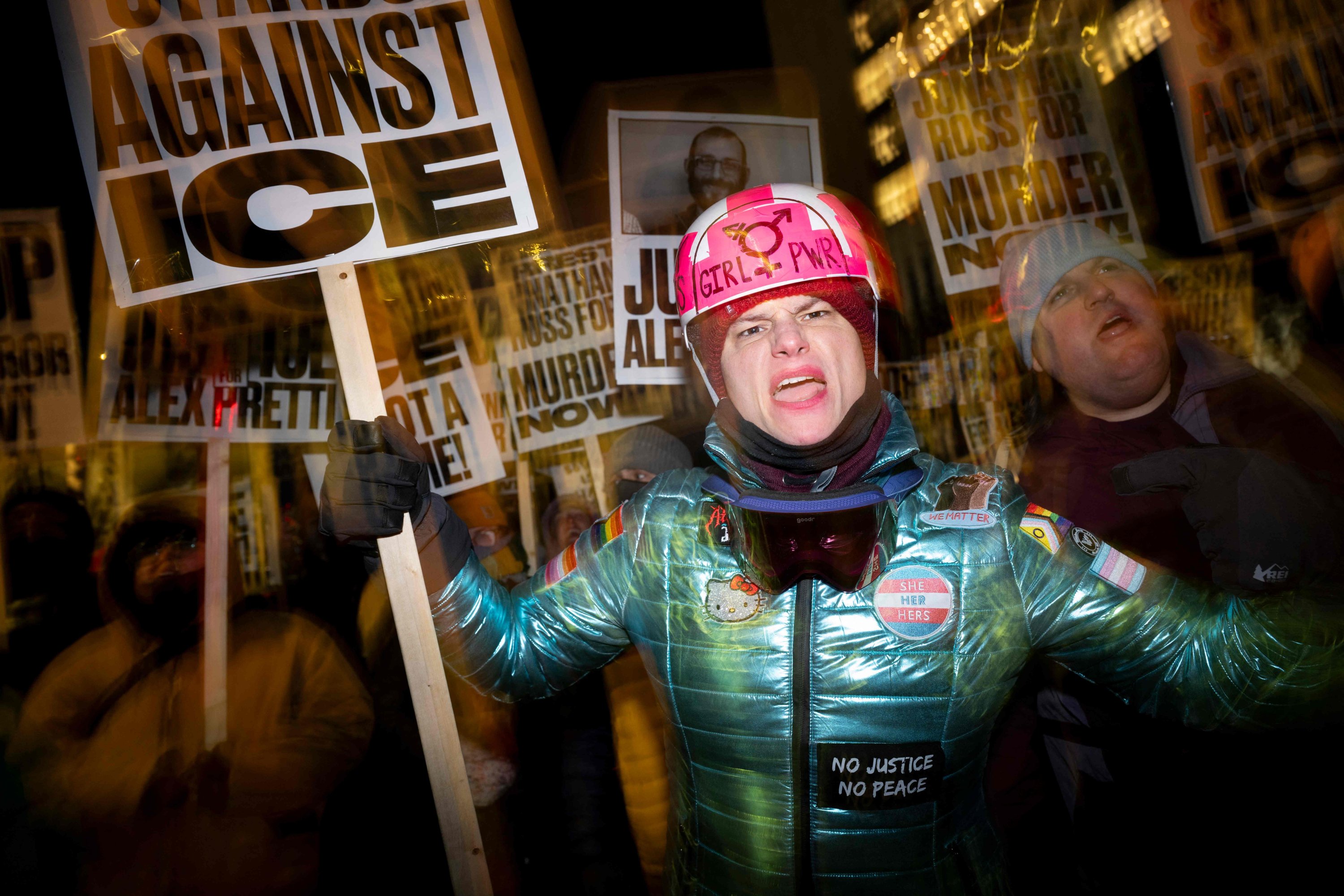
Italy moved Wednesday to reassert full control over security at the Milan-Cortina Winter Olympics, unveiling a vast, multi-layered safety operation after confirmation that U.S. Immigration and Customs Enforcement (ICE) personnel will assist the American delegation in an advisory capacity.
Set to run from Feb. 6 to Feb. 22, the Games represent one of the most complex security challenges Italy has ever faced, split between two main hubs, Milan and Cortina d’Ampezzo and several satellite venues across northern Italy.
Officials expect around 3,500 athletes and nearly 2 million visitors, including roughly 60,000 spectators at the opening ceremony at Milan’s San Siro stadium.
Italy’s Interior Minister Matteo Piantedosi said the security plan combines large-scale field deployments, intelligence-driven prevention and, for the first time at a major event in Italy, a 24-hour cybersecurity command center.
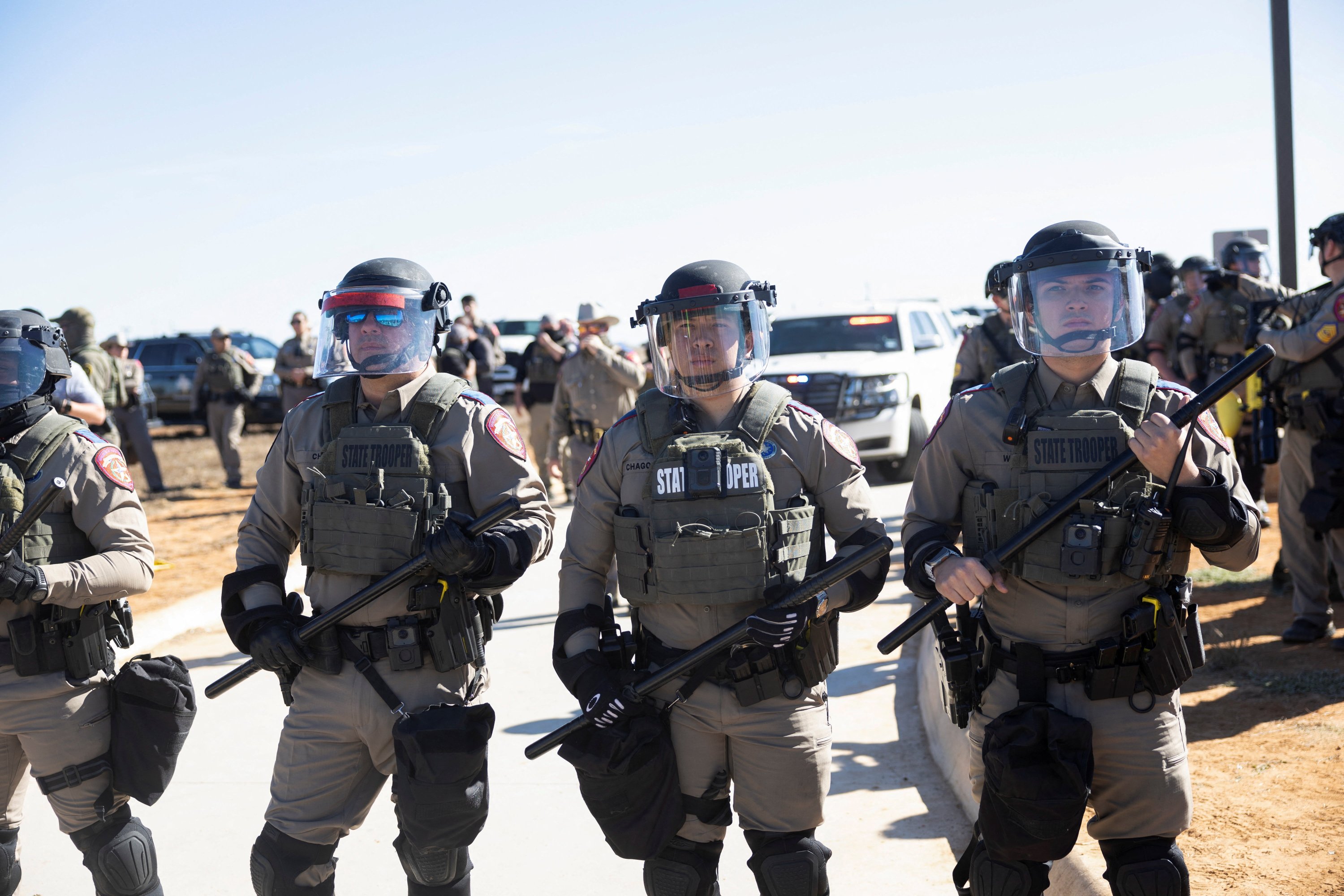
About 6,000 law-enforcement officers will be deployed nationwide, including more than 3,000 regular police, around 2,000 Carabinieri military police and over 800 Guardia di Finanza officers.
Milan will host the largest contingent.
The operation will also feature drone surveillance, robotic inspection systems for hazardous areas, restricted-access and no-fly zones and expanded monitoring of transport and Olympic digital infrastructure following cyber disruptions ahead of the Paris 2024 Games.

Authorities will enforce several “red zones” throughout the Games, barring individuals with prior public-order convictions in an effort to prevent unrest.
The security blueprint came under scrutiny after the U.S. State Department confirmed that several federal agencies, including ICE, would assist the U.S. delegation, as they have at previous Olympics.
The American delegation will be led by Vice President JD Vance and Secretary of State Marco Rubio.
ICE’s involvement quickly sparked controversy in Italy, where images of the agency’s aggressive immigration enforcement under President Donald Trump have drawn widespread criticism.
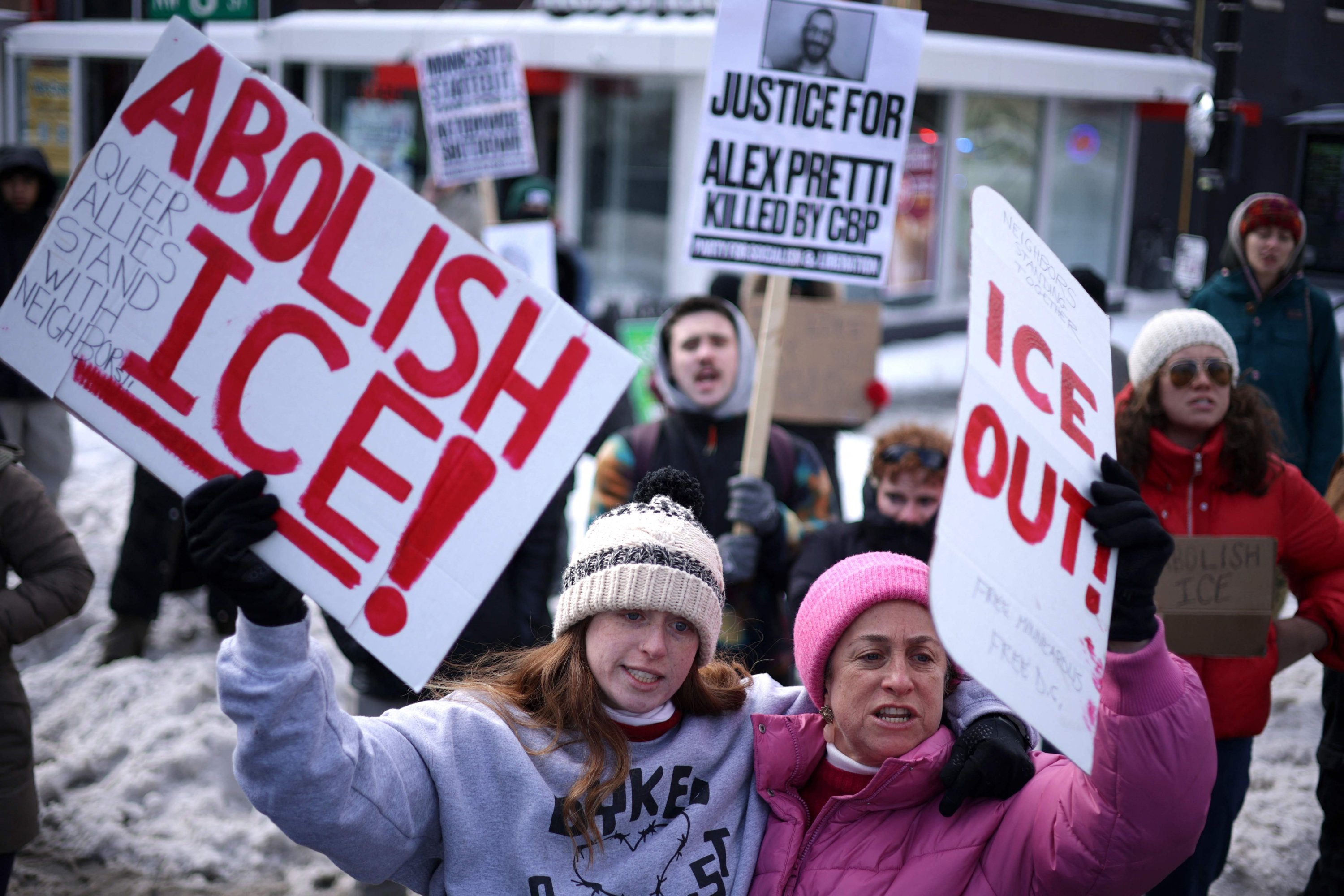
Left-wing unions, opposition parties and civil society groups argue ICE’s presence clashes with Italy’s values and risks inflaming tensions.
Italy’s interior ministry moved swiftly to limit the fallout, stressing that ICE personnel would operate only from U.S. diplomatic offices, such as the Milan consulate and would not conduct patrols or enforcement activities on Italian soil.
“All security operations on Italian territory remain, as always, under the exclusive responsibility and direction of the Italian authorities,” the ministry said.
U.S. Ambassador to Italy Tilman J. Fertitta echoed that position, saying ICE’s Homeland Security Investigations (HSI) unit would play a “strictly advisory and intelligence-based” role, focused on transnational crime, cyber threats and national security risks tied to the Games.
“At the Olympics, HSI criminal investigators will contribute their expertise by providing intelligence on cross-border criminal activity, including cybercrime,” Fertitta wrote, emphasizing there would be no law-enforcement presence on the streets.
Despite those assurances, protests are mounting. The hard-left USB union has called an “ICE OUT” rally in central Milan on opening day, while opposition parties and activist groups plan demonstrations in both Milan and Rome.
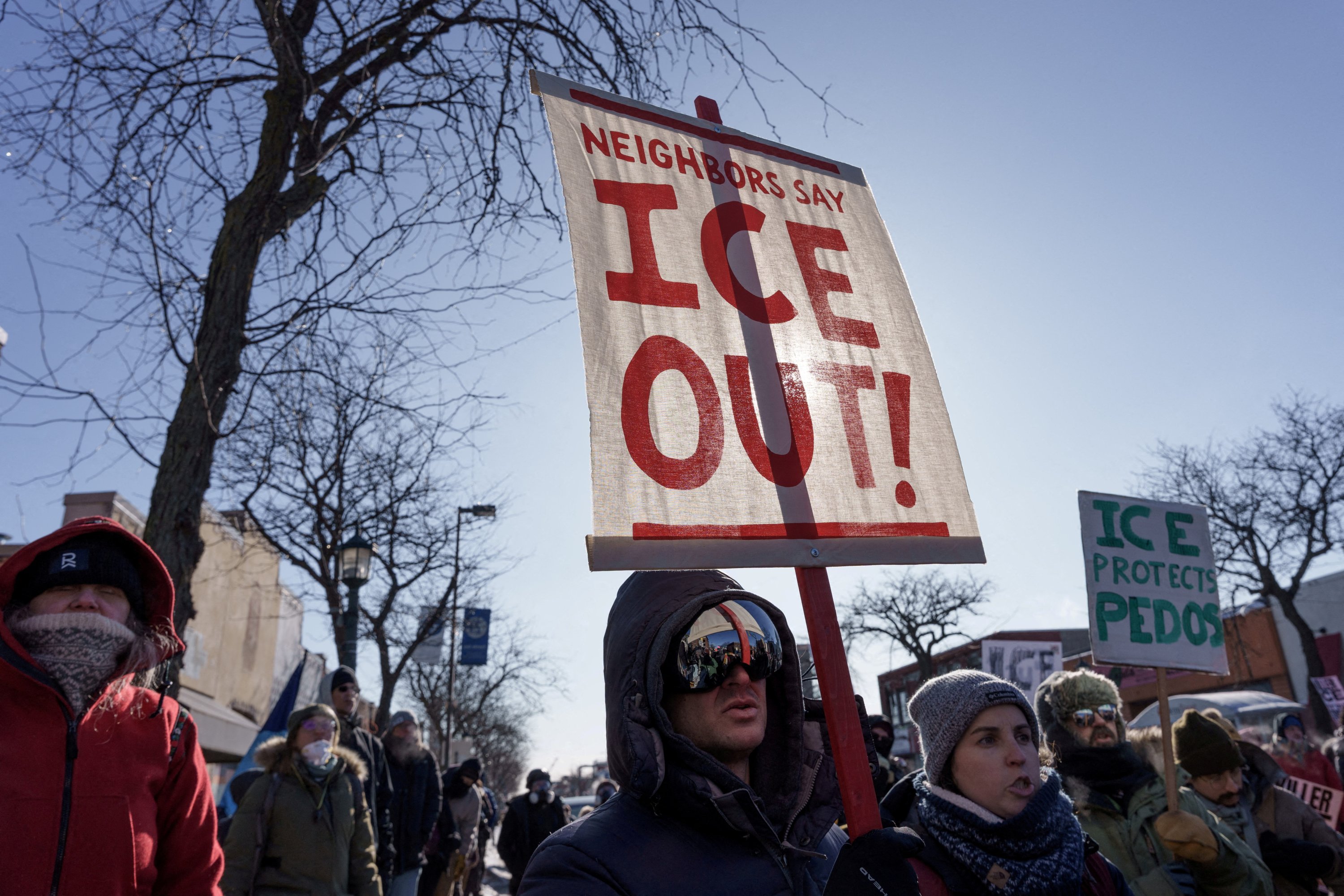
“I’m very worried,” said Emanuele Ingria, a Milan resident. “Especially considering what’s happening in the United States. I don’t think that’s what we need here.”
Italian opposition leaders have urged the government to reject any ICE deployment outright, arguing that even a symbolic presence risks damaging Italy’s image during a global event meant to celebrate unity and sport.