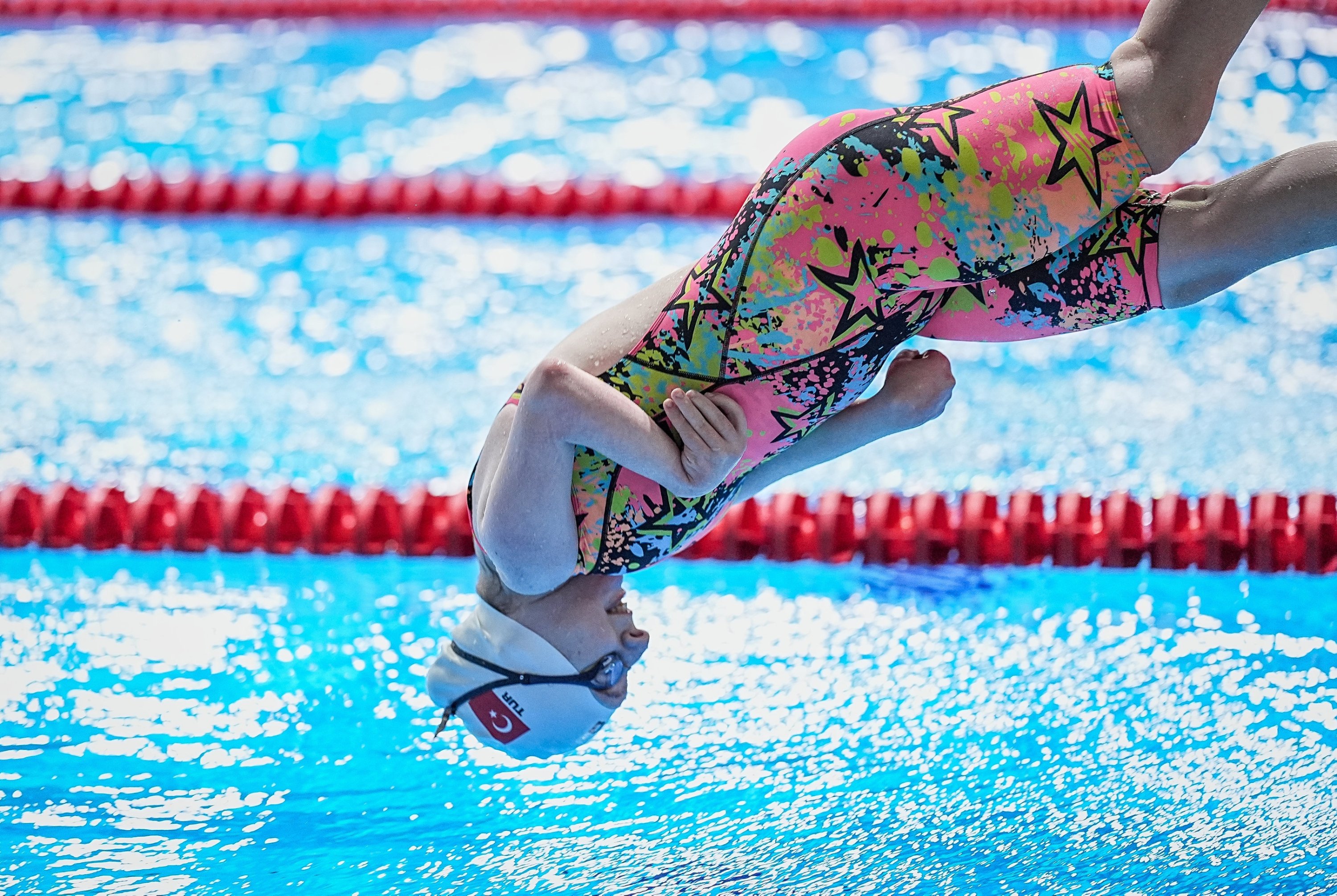
The International Paralympic Committee (IPC) has officially confirmed the medal events and athlete quotas for the 2028 Paralympic Games in Los Angeles, unveiling a historic program that redefines what it means to be inclusive and gender-balanced in elite sport.
Returning to Los Angeles for the first time since 1984, the Paralympics will run from Aug. 15 to Aug. 27, 2028, drawing on the city’s Olympic-grade infrastructure and deep history in hosting international competitions. But this time, the event is making history well before the opening ceremony.
According to the final plans approved by the IPC Governing Board, LA28 will feature 552 medal events across 22 sports, matching the scale of the Tokyo 2020 and Paris 2024 Paralympics.
The total athlete quota has been maintained at 4,400, but what truly sets this edition apart is how those numbers are divided.
Women will compete in 243 medal events – an increase of eight from Paris – while men’s medal events will drop by eight to 263.
The remaining 46 events will be mixed or open, allowing athletes of all genders to compete together in formats such as mixed wheelchair basketball and para archery.
It’s a decisive move by the IPC to close the gender gap that has long lingered in para-sports.
In terms of participation, 1,967 slots have been allocated for female athletes, marking an increase of 107 from the previous Games.
Male athletes will fill 2,228 quotas, up by 27. Roughly 205 quotas remain classified as mixed, open, or pending final qualification criteria.
Crucially, for the first time in Paralympic history, 16 sports will feature equal athlete quotas for men and women, and 17 sports will offer identical numbers of medal events for both genders. It’s a milestone that many see as long overdue.
Perhaps the most anticipated addition to the LA28 program is the Paralympic debut of para climbing.
The fast-growing sport, which has gained traction among younger audiences, will offer eight medal events – four for men and four for women – with a maximum of 10 athletes in each.
Athletes with physical impairments, including limb deficiencies or reduced mobility, will compete on artificial climbing walls under precise classification systems.
It’s a dynamic addition meant to inject fresh energy into the Paralympic stage.
Team sports will retain their established formats, with goalball, sitting volleyball, and wheelchair basketball each featuring eight men’s and eight women’s teams. Blind football and wheelchair rugby will also return with eight teams apiece, preserving consistency while highlighting global competitiveness in these disciplines.
Speaking after the announcement, IPC President Andrew Parsons underscored the complexity behind the decision-making process, emphasizing the committee’s mission to balance elite sport with fairness and representation. “The LA28 program will deliver a world-class sporting spectacle,” he said, “and will be the most inclusive and gender-balanced Paralympic Games in history.”
The significance of these changes goes far beyond the medal tally.
With a strengthened push for equity, LA28 aligns itself with broader global trends toward gender equality in sport, echoing reforms made by the International Olympic Committee.
At the same time, the Games are expanding their reach through modern, engaging disciplines like para climbing, helping to connect with a younger, more diverse global audience.