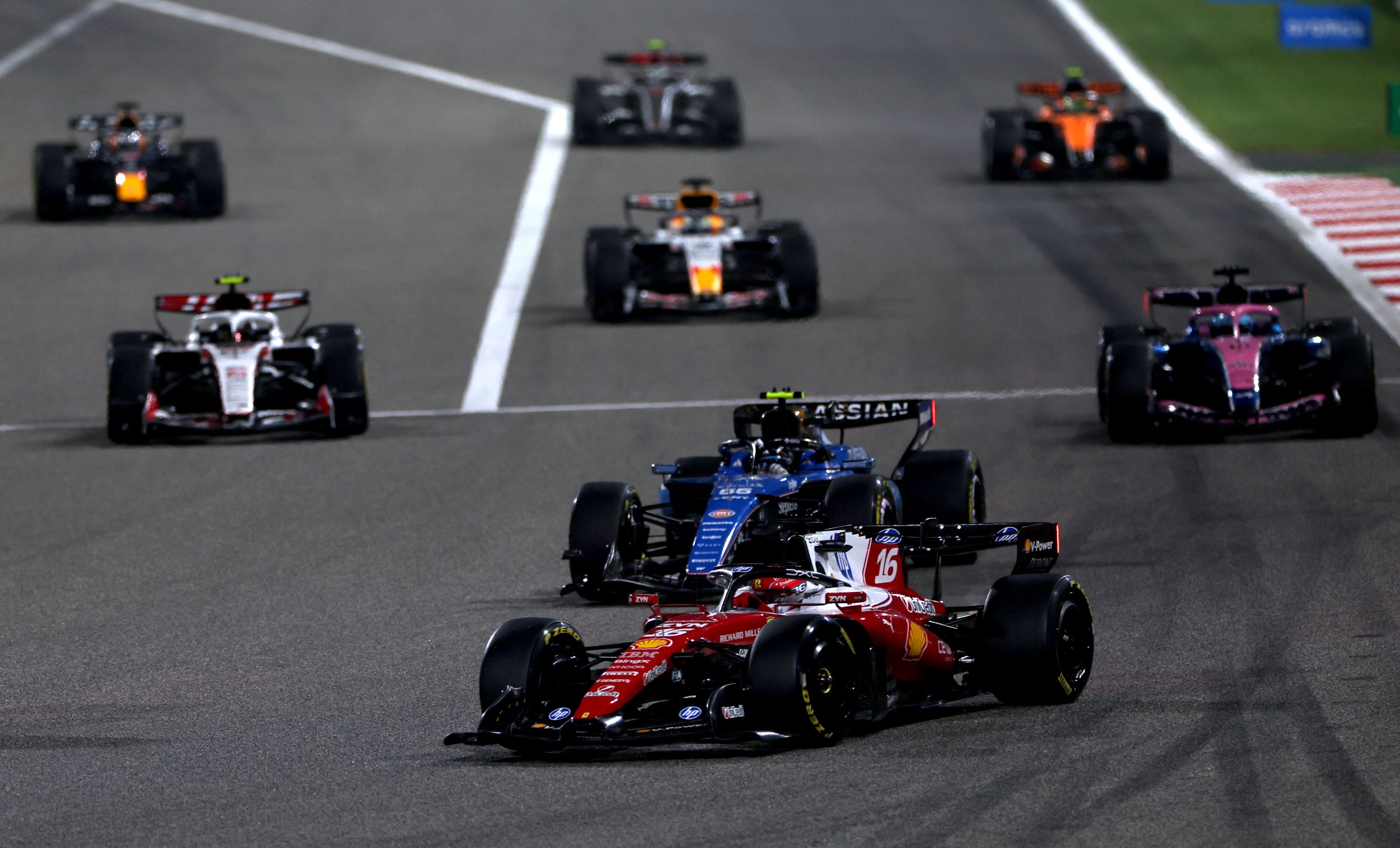
Formula One kicks off a bold new chapter in Australia this week, blending excitement, uncertainty and a touch of apprehension. The 2026 season promises its most dramatic shake-up in decades, and the hype does not overstate the scale of the change.
For the first time in years, both chassis and power unit regulations have been overhauled simultaneously, testing even the sport’s top teams as electrical and combustion elements reach near parity.
Add in 100% advanced sustainable fuel, Madrid’s debut on a 24-race calendar, a fresh title contender in McLaren’s Lando Norris, and one of the youngest Grand Prix starters ever, Racing Bulls’ 18-year-old British rookie Arvid Lindblad, and the stage is set for a truly electrifying season.
The last time there was such a significant engine reset, in 2014, Mercedes went on a record run of dominance. This time, the campaign could be much more open.
The list of questions is long.
Will fans like what is on offer? How has the pecking order changed? Can Ferrari finally end its wait of nearly two decades for a drivers’ title? If they are contenders, could Lewis Hamilton win a record eighth championship? Will Mercedes’ George Russell live up to his pre-season billing as title favorite? Maybe Charles Leclerc’s time has come at Ferrari, or will Red Bull’s Max Verstappen bounce back with a fifth championship after his run of four in a row ended? Can Norris become only the second Briton to successfully defend a title after Hamilton, or will Australian teammate Oscar Piastri gain the upper hand? How will French youngster Isack Hadjar fare as Verstappen’s new teammate in the hottest of hot seats?
The jury is out on all of the above, with pre-season testing in Bahrain, whose race in April now faces uncertainty following U.S. and Israeli attacks on Iran, hinting at a familiar top four amid tantalizing suspicions of “sandbagging,” or hiding true performance. Mercedes boss Toto Wolff has suggested Red Bull, racing with its own powertrain for the first time, has set a benchmark.
Red Bull dismissed that idea, saying it was possibly only fourth. Champions McLaren, meanwhile, pointed the finger at Mercedes and Ferrari as a step ahead of the rest and said they would be on the defensive, at least initially.
Further back, Renault-owned Alpine will be starting over, hoping for a big leap after replacing its French-made engines with Mercedes units.
Swiss-based Sauber is now racing as the Audi factory outfit, while the grid has expanded to 11 teams following the arrival of Cadillac, already raising the promotional bar with a livery launch during the Super Bowl.
They will also be bringing back two highly experienced names from the recent past, Mexican Sergio Perez, Verstappen’s former teammate, and Finland’s Valtteri Bottas, who once raced alongside Hamilton at Mercedes.
Cadillac might be expected to finish last, but the Ferrari engine looks strong. Aston Martin, starting a new partnership with Honda and with Adrian Newey as designer and team principal, struggled to get laps in testing due to reliability issues.
Melbourne will provide early pointers, but a true pattern will take longer to emerge in what promises to be a ferocious development race.