From Liverpool’s remarkable Champions League triumph in Istanbul to Muhammad Ali’s return to boxing’s summit and the United States’ stunning Olympic hockey victory over the Soviet Union, sporting history is filled with moments when defeat seemed inevitable until athletes and teams found a way to win.
The greatest comebacks transcend scorelines. They test endurance, expose the limits of expectation and turn seemingly hopeless situations into defining moments.
Some unfold in a matter of minutes, while others take years of rehabilitation, persistence and reinvention.
Across football, basketball, tennis, boxing, the Olympics and Formula One, these are among the most memorable recoveries in sporting history, measured by their scale, difficulty and lasting impact.
Football has produced some of the most dramatic comebacks, particularly in major finals and two-legged knockout ties, where a few decisive moments can transform an entire season.
Liverpool's miracle in Istanbul, 2005
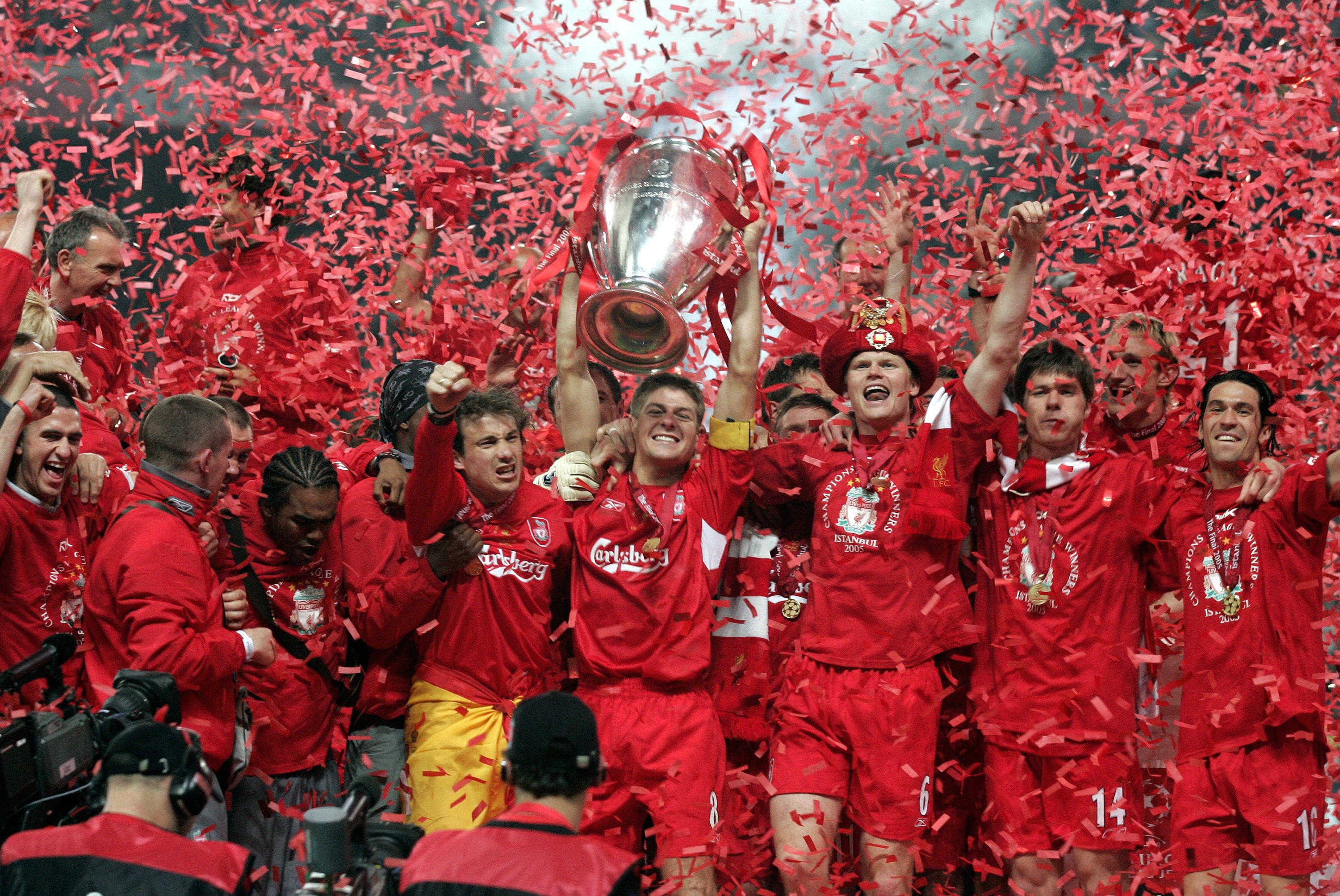
The 2005 UEFA Champions League final remains one of football's most extraordinary turnarounds. Liverpool went into halftime trailing AC Milan 3-0 in Istanbul after Paolo Maldini opened the scoring and Hernan Crespo added two more goals.
Milan, featuring stars such as Kaka, Andrea Pirlo and Clarence Seedorf, appeared to have the trophy within reach.
Liverpool responded with a remarkable second-half recovery.
Steven Gerrard headed in the first goal, Vladimir Smicer struck from distance, and Xabi Alonso scored the equalizer after Milan goalkeeper Dida saved his penalty but could not keep out the rebound.
Within six minutes, Liverpool had erased the deficit.
Neither side scored in extra time, sending the final to a penalty shootout. Goalkeeper Jerzy Dudek made crucial saves, and Milan's Serginho missed as Liverpool won 3-2 on penalties to claim their fifth European Cup.
Known as the "Miracle of Istanbul," the victory became a defining chapter in Liverpool's history and a lasting symbol of football's capacity for the unexpected.
Manchester United's stoppage-time triumph, 1999
Manchester United produced another iconic Champions League comeback in the 1999 final against Bayern Munich in Barcelona.
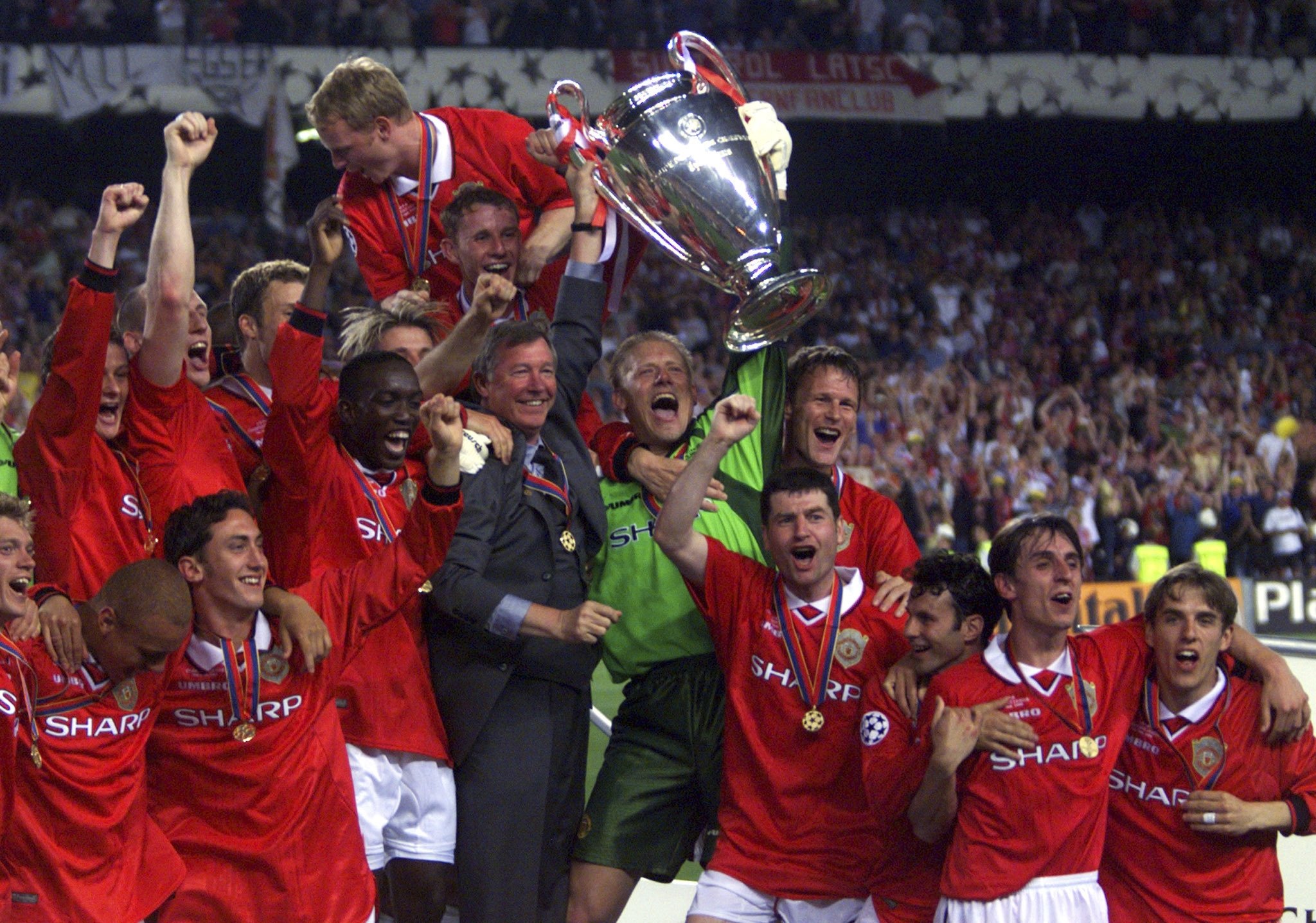
Trailing 1-0 after Mario Basler's early free kick, United struggled to find an equalizer as Bayern approached the final whistle. Deep into stoppage time, however, substitute Teddy Sheringham scored from close range. Moments later, Ole Gunnar Solskjaer redirected a corner into the net to complete a stunning 2-1 victory.
The two goals came in a matter of minutes, turning an apparent defeat into a European triumph. The victory secured the third part of United's historic treble, following their Premier League and FA Cup titles that season.
Barcelona's historic recovery against PSG, 2017
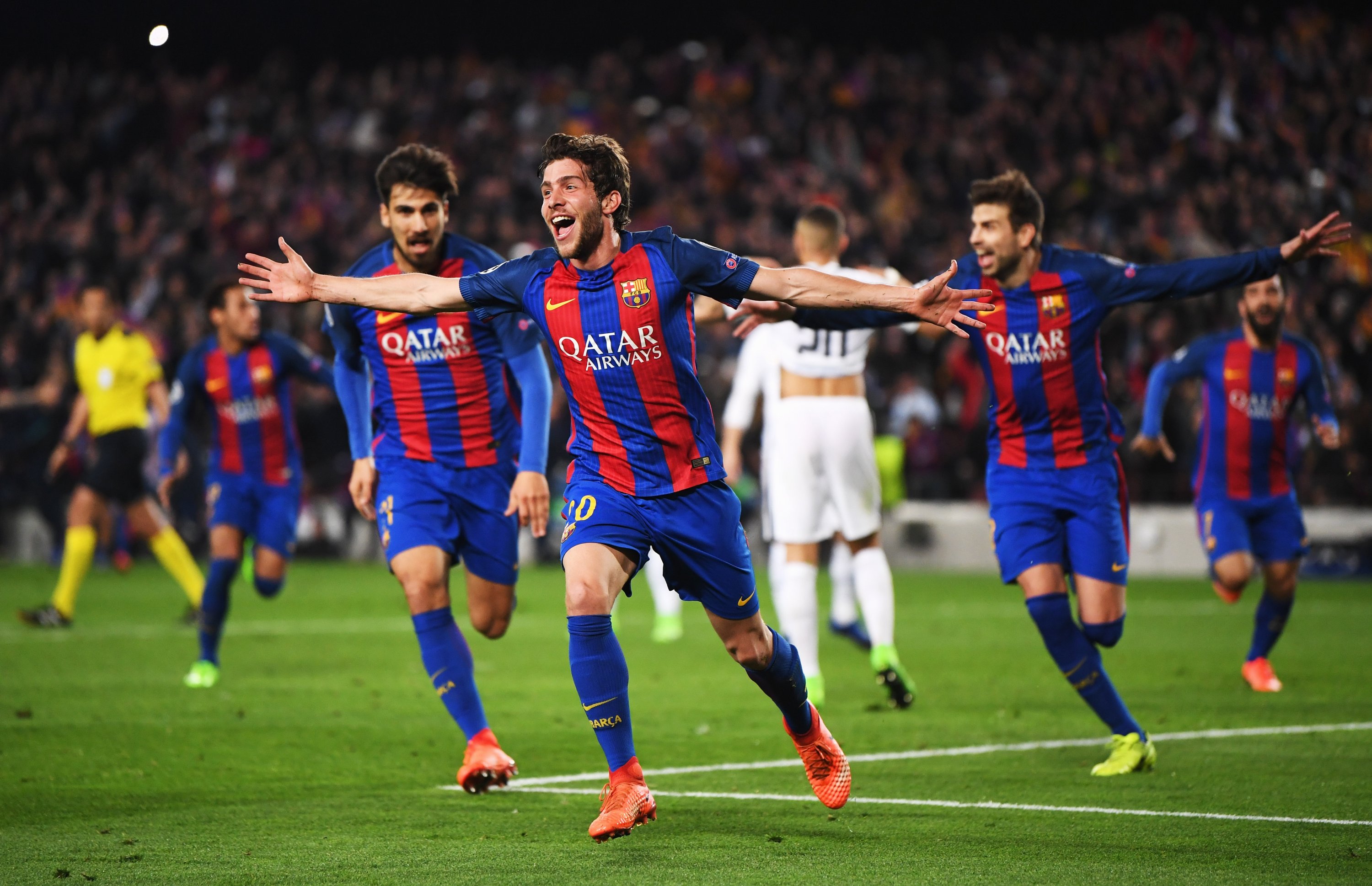
Barcelona's 6-1 victory over Paris Saint-Germain in March 2017 stands among the greatest comebacks in Champions League knockout history.
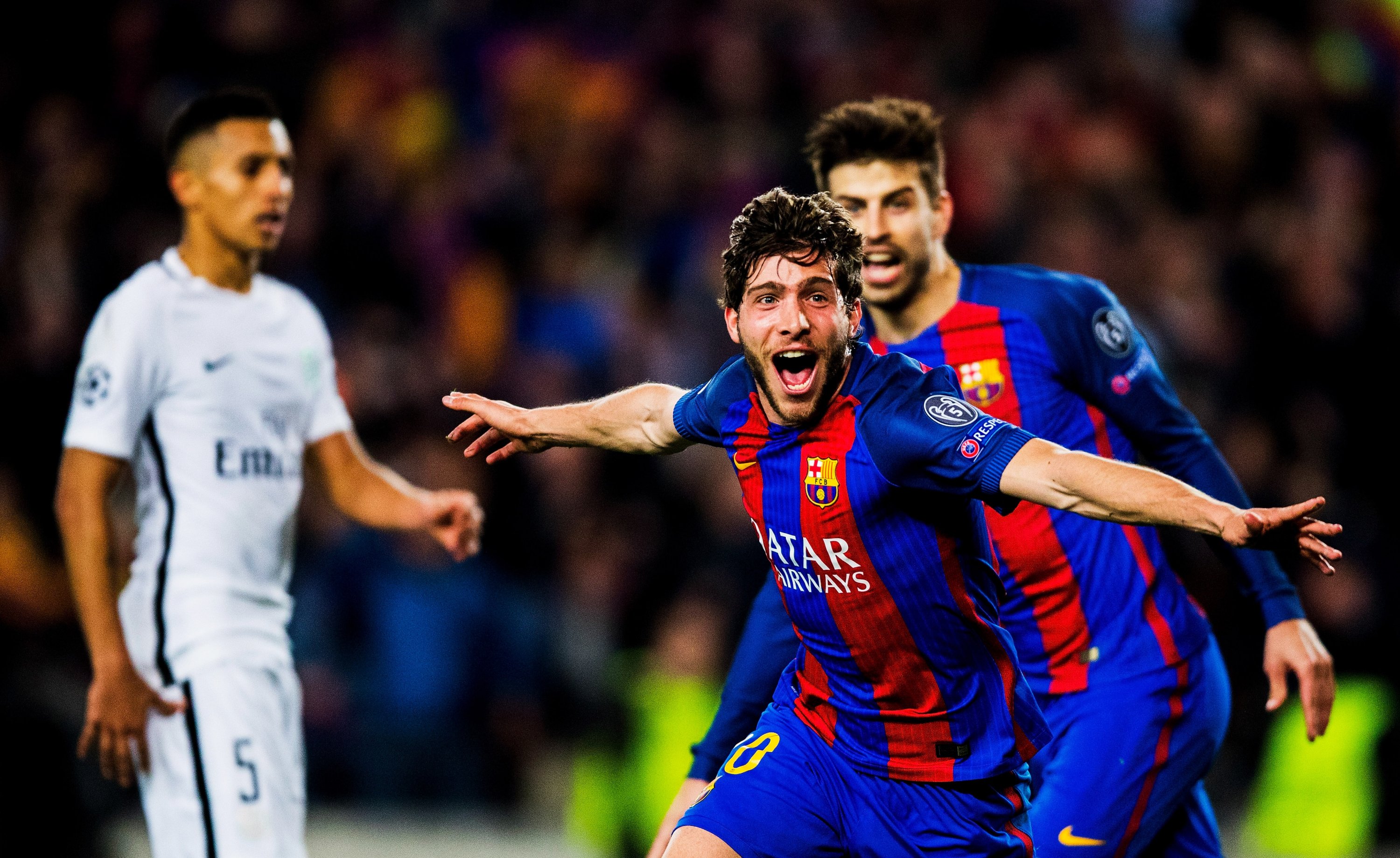
After losing the first leg 4-0 in Paris, Barcelona needed an extraordinary performance to survive. Goals from Luis Suarez, an own goal by Layvin Kurzawa and Lionel Messi's penalty gave the Spanish side a 3-0 lead, but Edinson Cavani's second-half goal left Barcelona needing three more.
Neymar then scored twice late in the match, including a free kick and a penalty, before Sergi Roberto struck in the 95th minute. Barcelona won 6-1 on the night and advanced 6-5 on aggregate, becoming the first team to overturn a four-goal first-leg deficit in the Champions League.
The comeback, widely known as "La Remontada," remains one of the competition's most remarkable knockout-stage results.
Other unforgettable football turnarounds
Deportivo La Coruna stunned AC Milan in the 2004 Champions League quarterfinals, winning the second leg 4-0 to overturn a 4-1 first-leg defeat and advance 5-4 on aggregate.
In the Premier League, Manchester City's 3-2 victory over Queens Park Rangers on the final day of the 2011-12 season delivered an equally dramatic conclusion.
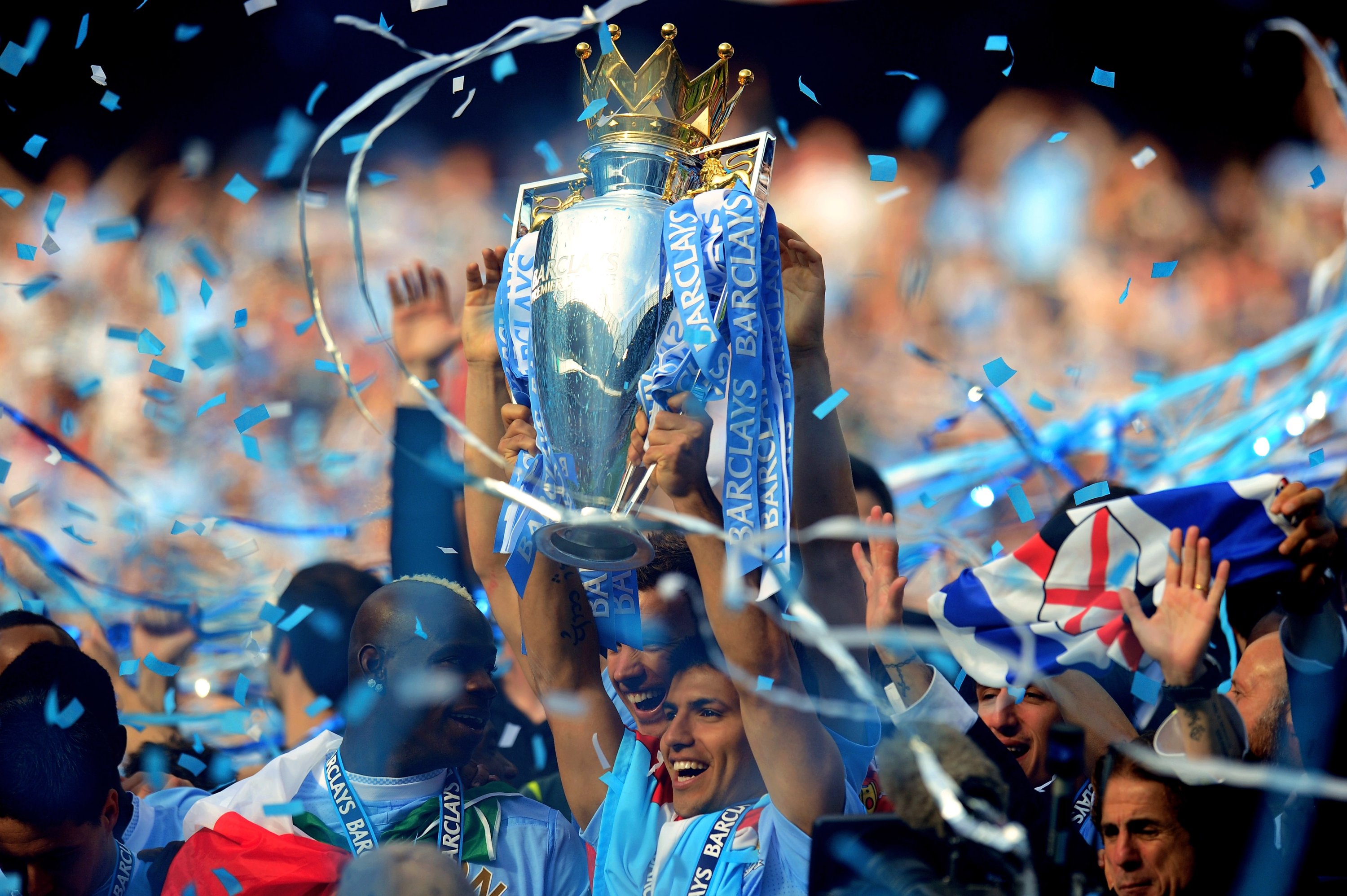
City trailed 2-1 deep into stoppage time before Edin Dzeko equalized and Sergio Agüero scored the winner in the 94th minute. The result secured City's first Premier League title, ahead of Manchester United on goal difference.
Basketball's fast pace can turn a seemingly decisive lead into a narrow defeat within minutes.
Its history includes extraordinary single-game recoveries and championship series in which teams overcame odds that once appeared overwhelming.
Cleveland's historic NBA Finals comeback, 2016
The Cleveland Cavaliers' 2016 NBA championship remains one of the most significant comebacks in professional basketball.
Facing the Golden State Warriors, who had set an NBA regular-season record with 73 wins, Cleveland fell behind 3-1 in the best-of-seven Finals.
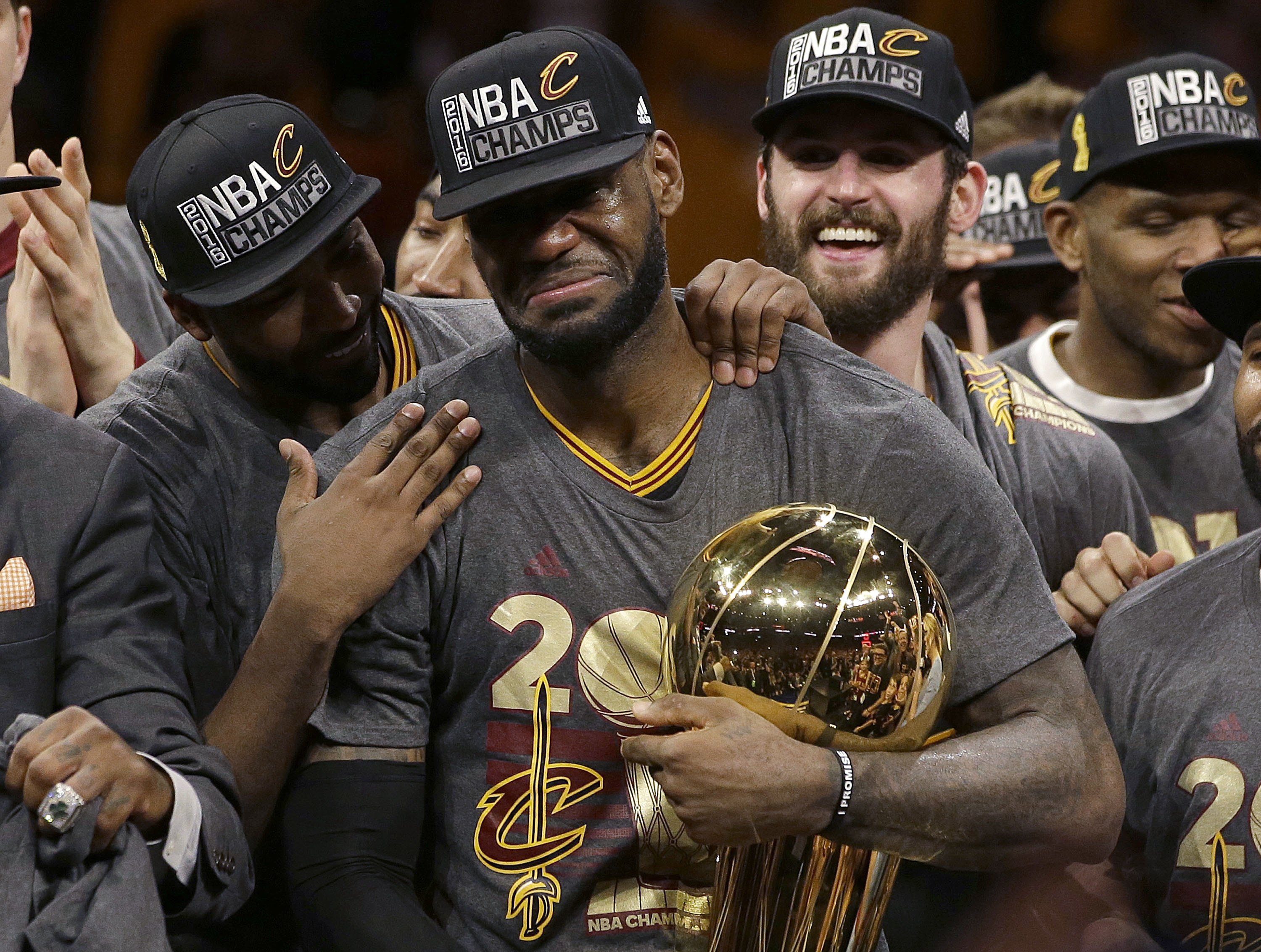
No team had previously recovered from a 3-1 deficit to win the NBA Finals. Cleveland, led by LeBron James and Kyrie Irving, nevertheless forced a seventh game by winning Games 5 and 6.
The decisive game in Oakland delivered one of the Finals' most memorable moments. James chased down Andre Iguodala for a crucial block late in the fourth quarter, while Irving hit a three-pointer over Stephen Curry with less than a minute remaining. Cleveland held on for a 93-89 victory.
James finished Game 7 with 27 points, 11 rebounds and 11 assists, earning Finals MVP honors. The championship ended Cleveland's 52-year drought without a major professional sports title and cemented the series as one of the defining achievements of James' career.
Utah Jazz overcome a 36-point deficit, 1996
On Nov. 27, 1996, the Utah Jazz produced the largest comeback in NBA regular-season history, recovering from a 36-point deficit against the Denver Nuggets to win 107-103.
Utah trailed 70-34 late in the second quarter but gradually chipped away at the lead before completing the turnaround. The performance demonstrated how quickly momentum can shift in basketball, even when one team appears firmly in control.
The Clippers' playoff rally, 2019
The Los Angeles Clippers made NBA playoff history on April 15, 2019, when they overturned a 31-point deficit to beat the Golden State Warriors 135-131 in Game 2 of their first-round series.
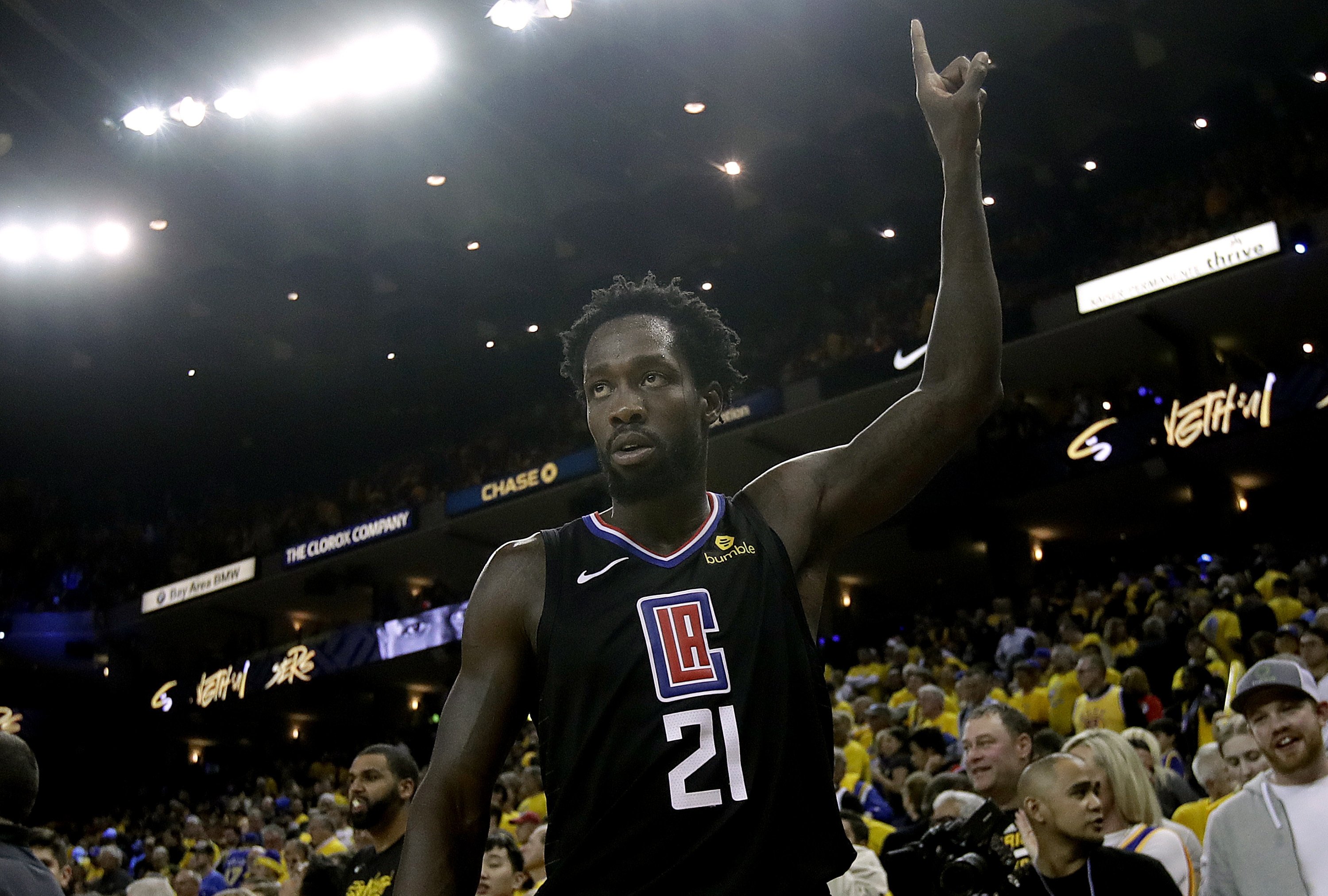
The Clippers' recovery remains the largest comeback in NBA postseason history. Against a Warriors team featuring Curry, Kevin Durant and Klay Thompson, Los Angeles refused to concede, turning a seemingly hopeless position into a landmark victory.
Tennis comebacks demand a different kind of resilience. Players must recover without the support of teammates on the court, often while facing physical exhaustion, mounting pressure and opponents who are just points away from victory.
Nadal's Australian Open triumph, 2022
Rafael Nadal produced one of the greatest comebacks in Grand Slam history when he defeated Daniil Medvedev in the 2022 Australian Open final.
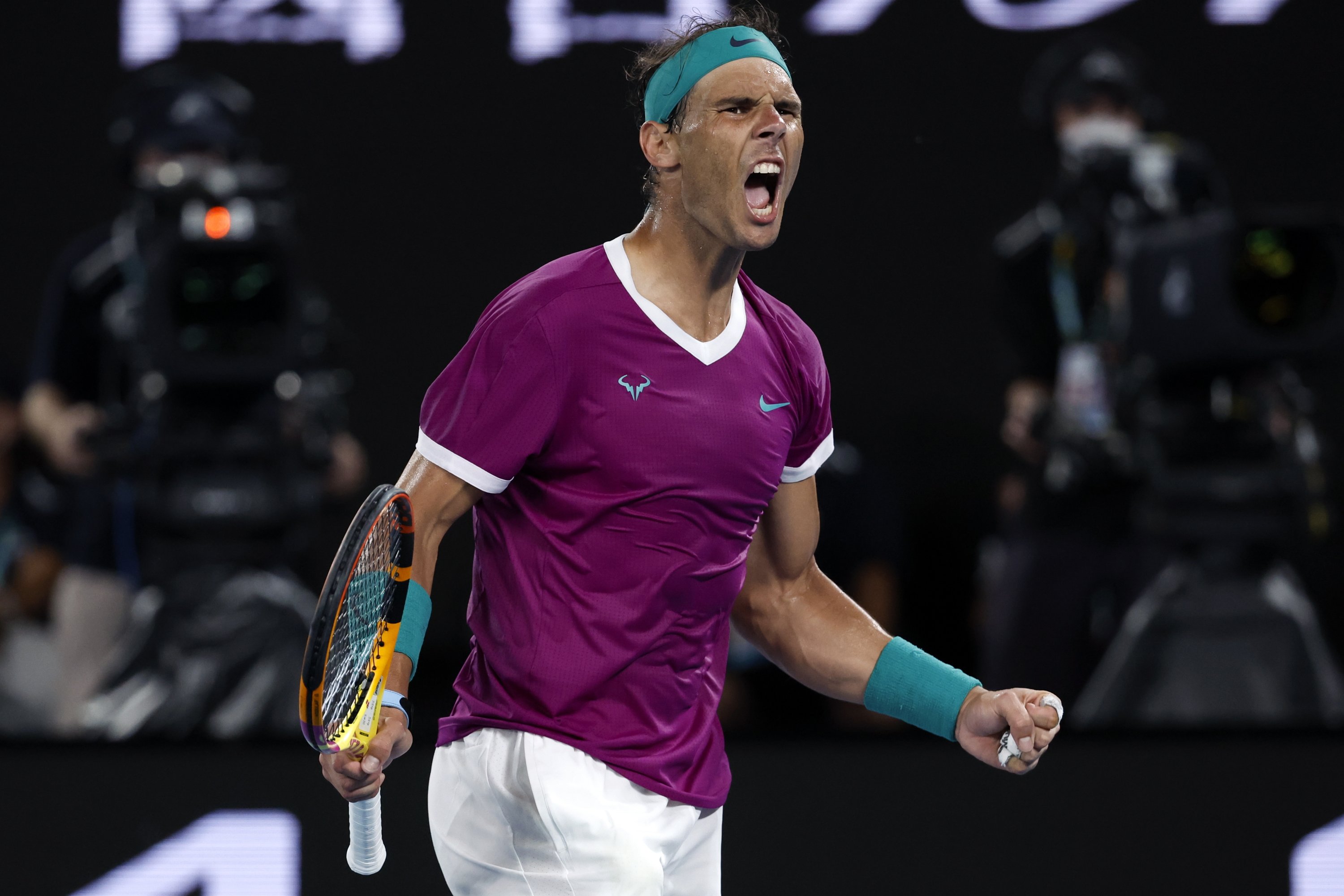
Nadal lost the opening two sets 6-2, 7-6 (5) and appeared to be heading toward defeat against the younger Russian. Instead, he gradually regained control, taking the next three sets 6-4, 6-4, 7-5 in a contest lasting 5 hours and 24 minutes.
The victory made Nadal the first man to win 21 Grand Slam singles titles, moving him ahead of Roger Federer and Novak Djokovic in the race for the men's major record at the time. It was also his second Australian Open title, 13 years after his first.
Beyond the record, the final demonstrated Nadal's ability to adapt under pressure and sustain his intensity through one of the longest and most demanding matches of his career.
Agassi completes the career Grand Slam, 1999
Andre Agassi's victory over Andrei Medvedev in the 1999 French Open final combined a match comeback with a defining career achievement.
Agassi lost the first two sets 6-1, 6-2 before recovering to win 6-4, 6-3, 6-4. The victory made him only the fifth man in the Open era to complete the career Grand Slam by winning all four major tournaments.
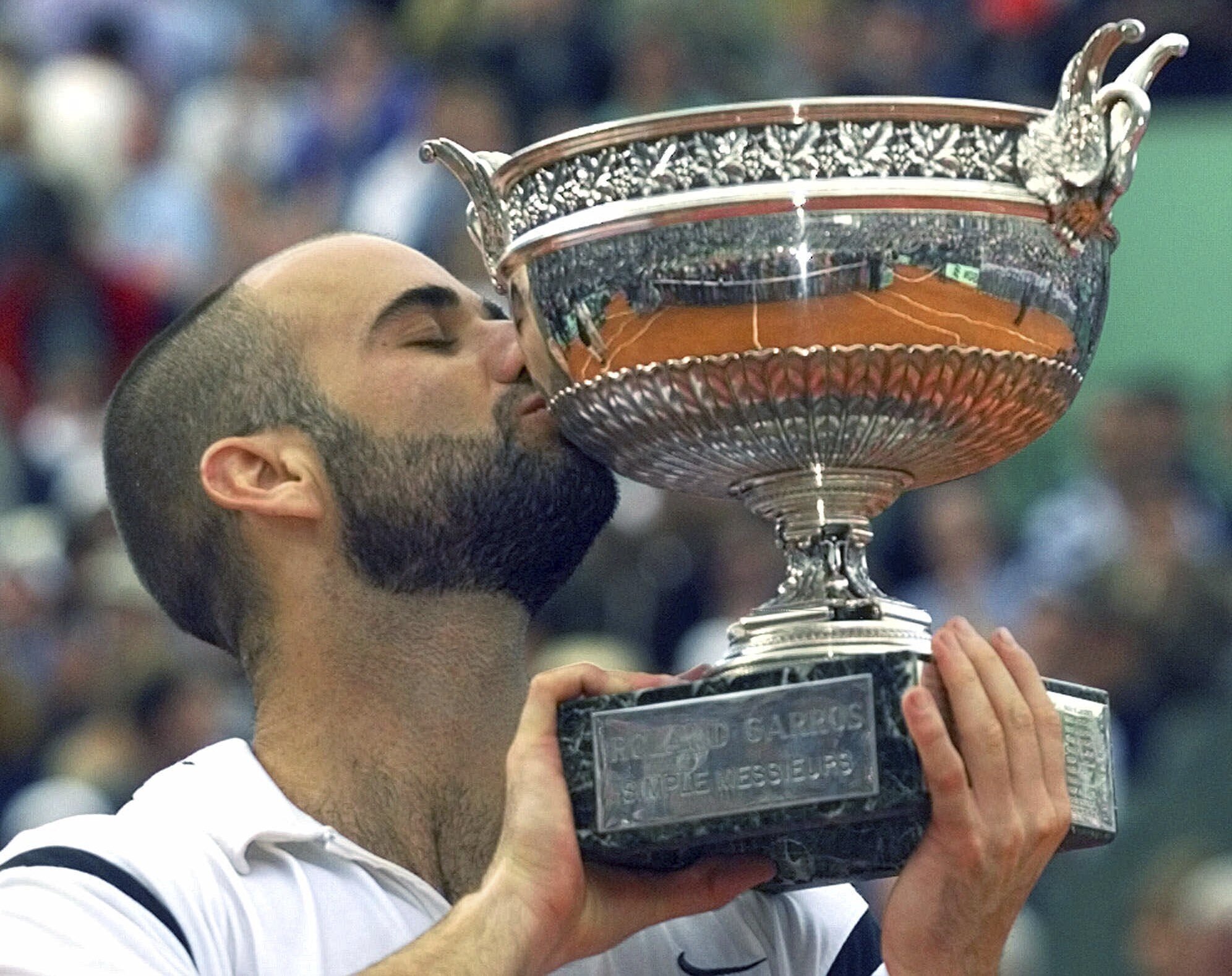
For Agassi, who had endured difficult years earlier in his career, the title at Roland Garros marked a remarkable personal and professional resurgence.
Ivanisevic's unlikely Wimbledon title, 2001
Goran Ivanisevic's Wimbledon victory in 2001 stands as one of tennis' great underdog stories. Ranked 125th in the world and competing as a wild card, the Croatian had previously lost three Wimbledon finals.
He finally claimed the title by defeating Pat Rafter in five sets, winning 6-3, 3-6, 6-3, 2-6, 9-7. His victory made him the first wild-card entrant to win the Wimbledon men's singles championship.
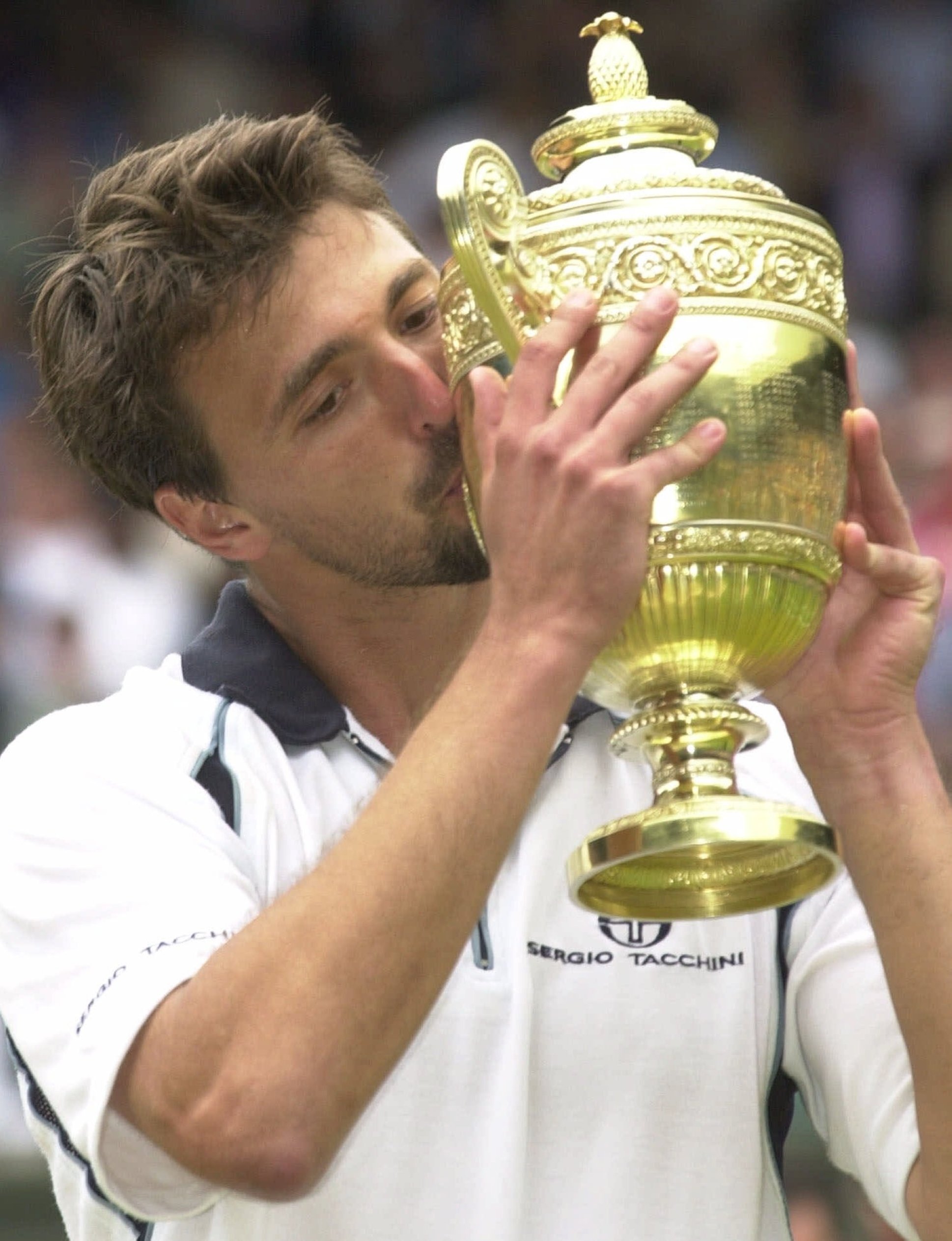
Ivanisevic's triumph was the culmination of years of disappointment at the tournament, making it a comeback in the broader sense of a player finally overcoming a long-standing career obstacle.
Sinner's breakthrough in Melbourne, 2024
Jannik Sinner announced himself as a Grand Slam champion by recovering from two sets down to defeat Daniil Medvedev in the 2024 Australian Open final.
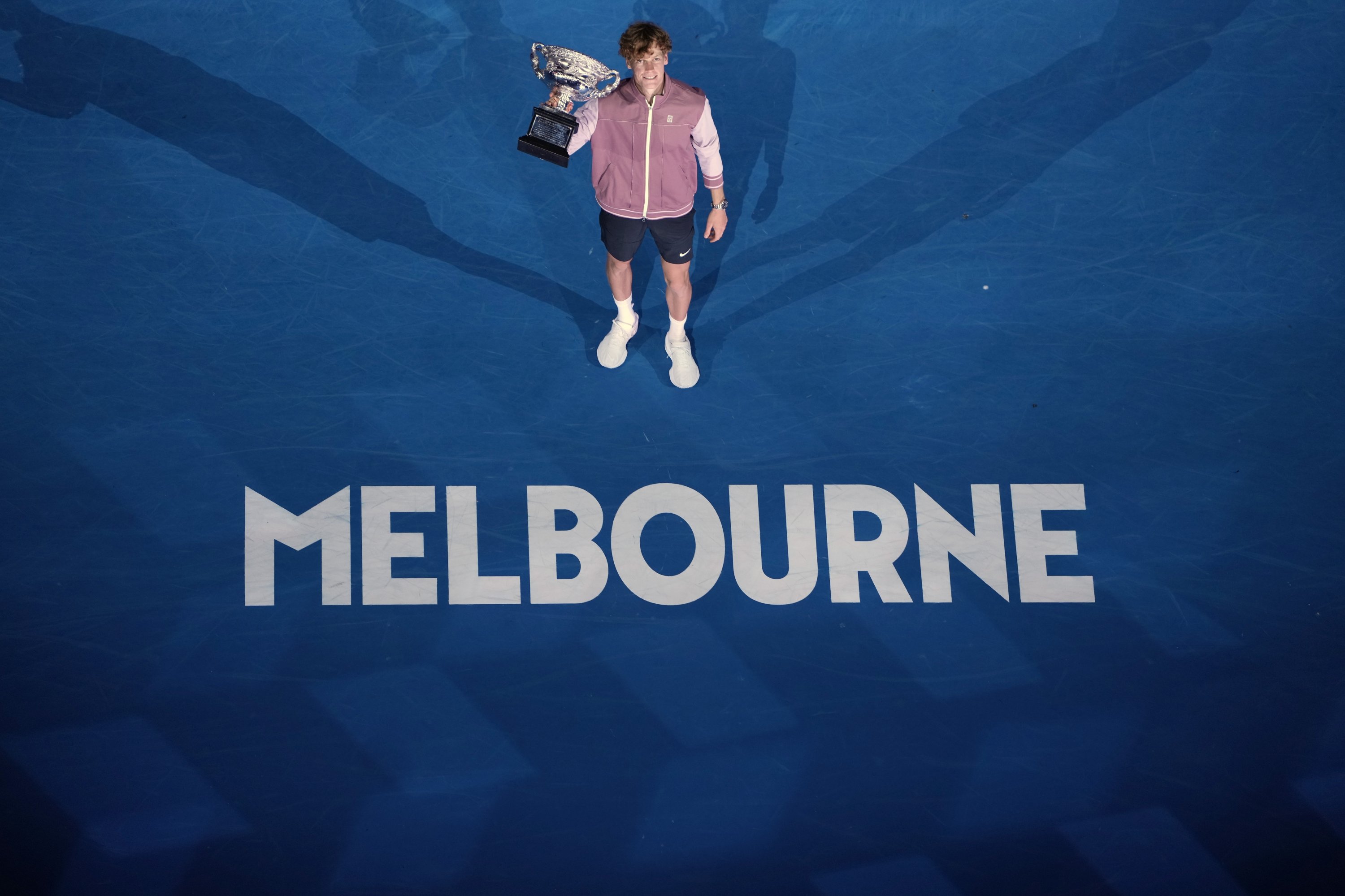
Medvedev won the opening two sets 6-3, 6-3, but Sinner responded with increasingly aggressive tennis to take the next three 6-4, 6-4, 6-3.
The Italian's victory secured his first major title and marked a significant breakthrough for one of the sport's leading young players.
Boxing comebacks can unfold within a single fight or over years of absence, physical decline and professional uncertainty. Few stories in sport illustrate the power of a second chance more clearly than those of Muhammad Ali and George Foreman.
Ali's return to the heavyweight summit, 1974
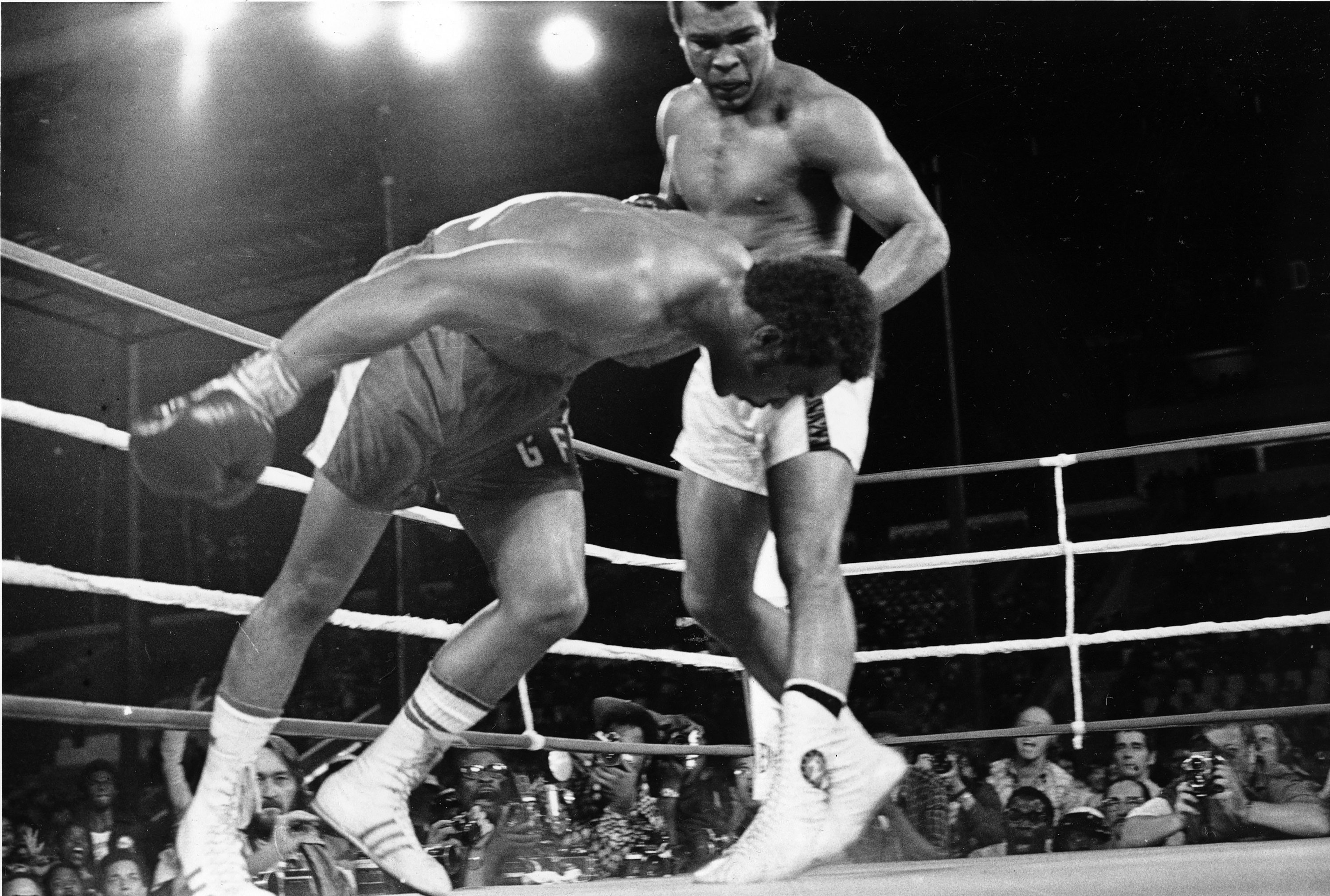
Muhammad Ali's victory over George Foreman in the 1974 "Rumble in the Jungle" followed years of enforced absence from the sport.
Ali was stripped of his heavyweight title and sidelined from boxing after refusing induction into the U.S. military during the Vietnam War in 1967. He returned to the ring in 1970, but rebuilding his career and reclaiming the championship would take years.
On Oct. 30, 1974, Ali faced Foreman in Kinshasa, Zaire, now the Democratic Republic of the Congo. Foreman was the defending champion and a formidable puncher, having demolished Joe Frazier and Ken Norton, both of whom had defeated Ali.
Ali adopted a strategy later known as "rope-a-dope," leaning against the ropes, protecting himself and allowing Foreman to expend energy throwing punches. In the eighth round, Ali unleashed a series of blows that knocked Foreman out.
The victory restored Ali as heavyweight champion and became one of the most celebrated fights in boxing history. His later achievements would include becoming the first three-time lineal heavyweight champion.
Foreman's extraordinary late-career revival, 1994
Foreman experienced a remarkable comeback of his own. After retiring in 1977, he returned to professional boxing in 1987, initially facing doubts about whether he could compete at the highest level in his late 30s and 40s.
On Nov. 5, 1994, at age 45, Foreman faced Michael Moorer for the WBA and IBF heavyweight titles. Moorer was younger, undefeated at the time and favored to win.
Foreman remained patient before landing a decisive right hand in the 10th round, knocking Moorer out and reclaiming the championship. He became the oldest recognized heavyweight champion in boxing history, a record that has endured as one of the sport's most extraordinary achievements.
The Olympic Games provide a global stage for comebacks that can carry significance beyond sport. Some become national milestones, while others are remembered for the determination of athletes who overcame physical setbacks or seemingly impossible competitive situations.
Viren rises after a fall to win Olympic gold, 1972
Finnish distance runner Lasse Viren produced one of the most memorable performances of the 1972 Munich Olympics in the men's 10,000 meters.
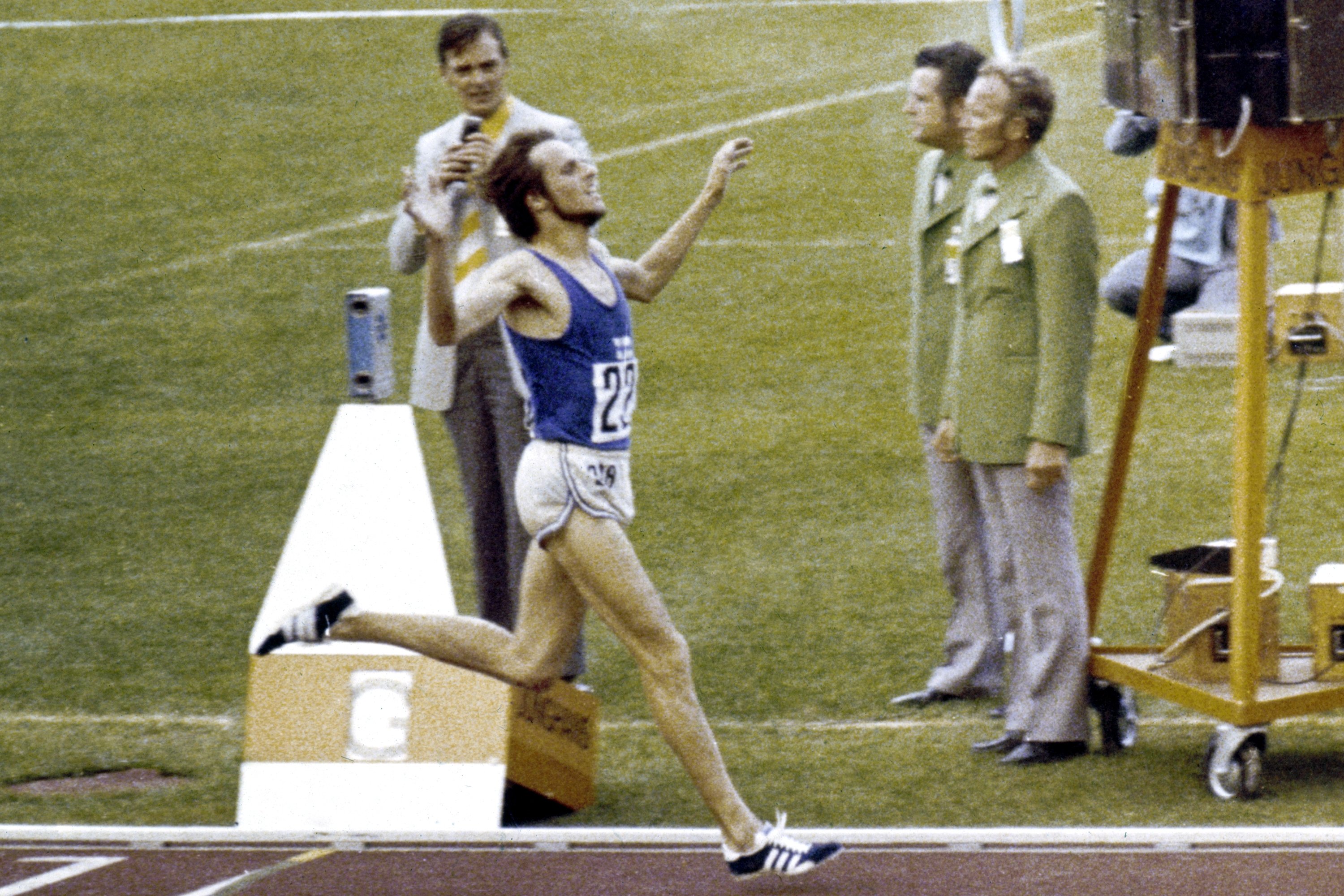
After falling during the race, Viren recovered, rejoined the leading group and eventually pulled away to win gold in a world-record time of 27 minutes, 38.4 seconds.
The victory was remarkable not simply because Viren recovered from the fall, but because he went on to dominate the distance events. He also won the 5,000 meters in Munich and successfully defended both Olympic titles at the 1976 Montreal Games.
His performance became a lasting example of how composure and determination can overcome an unexpected setback on the biggest sporting stage.
The Miracle on Ice, 1980
The United States men's Olympic ice hockey team's 4-3 victory over the Soviet Union at the 1980 Winter Olympics in Lake Placid, New York, remains one of the most celebrated upsets in sporting history.
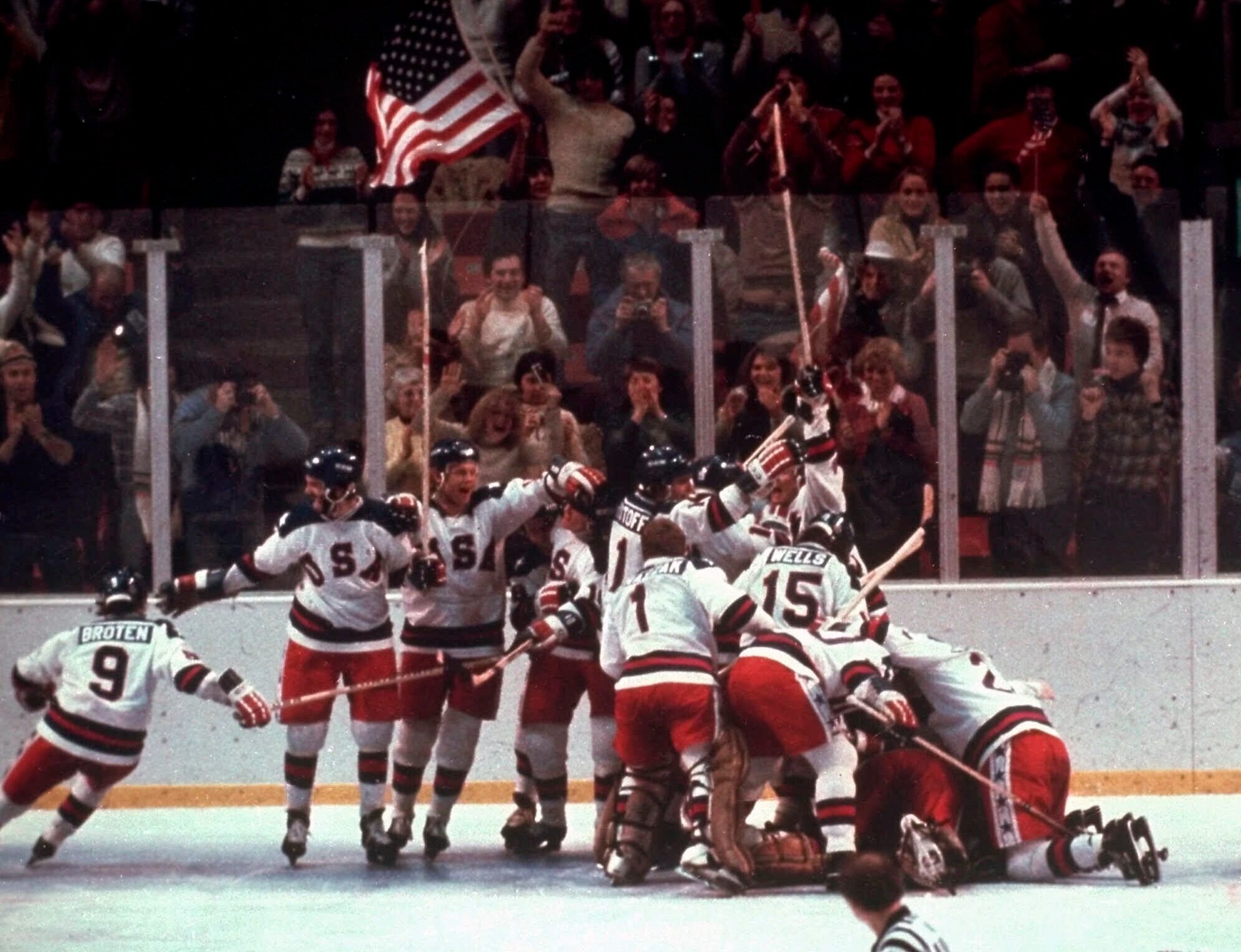
The American team consisted largely of college players, while the Soviet Union fielded an experienced side that had dominated international hockey for years. The Soviets were widely favored, making the Americans' victory in the semifinal particularly unexpected.
After falling behind, the United States fought back and secured the win through a combination of disciplined defense, timely scoring and determined goaltending. The team subsequently defeated Finland to claim the gold medal.
The victory took place against the backdrop of Cold War tensions, giving the result political and cultural significance beyond the rink. It became known as the "Miracle on Ice" and remains a defining moment in American Olympic history.
Lezak's remarkable relay anchor, 2008
American swimmer Jason Lezak delivered one of the most dramatic finishes of the 2008 Beijing Olympics during the men's 4x100-meter freestyle relay.
Swimming the anchor leg, Lezak entered the water behind France's Alain Bernard, who had established a significant lead. Lezak steadily closed the gap before touching the wall just 0.08 seconds ahead of Bernard.
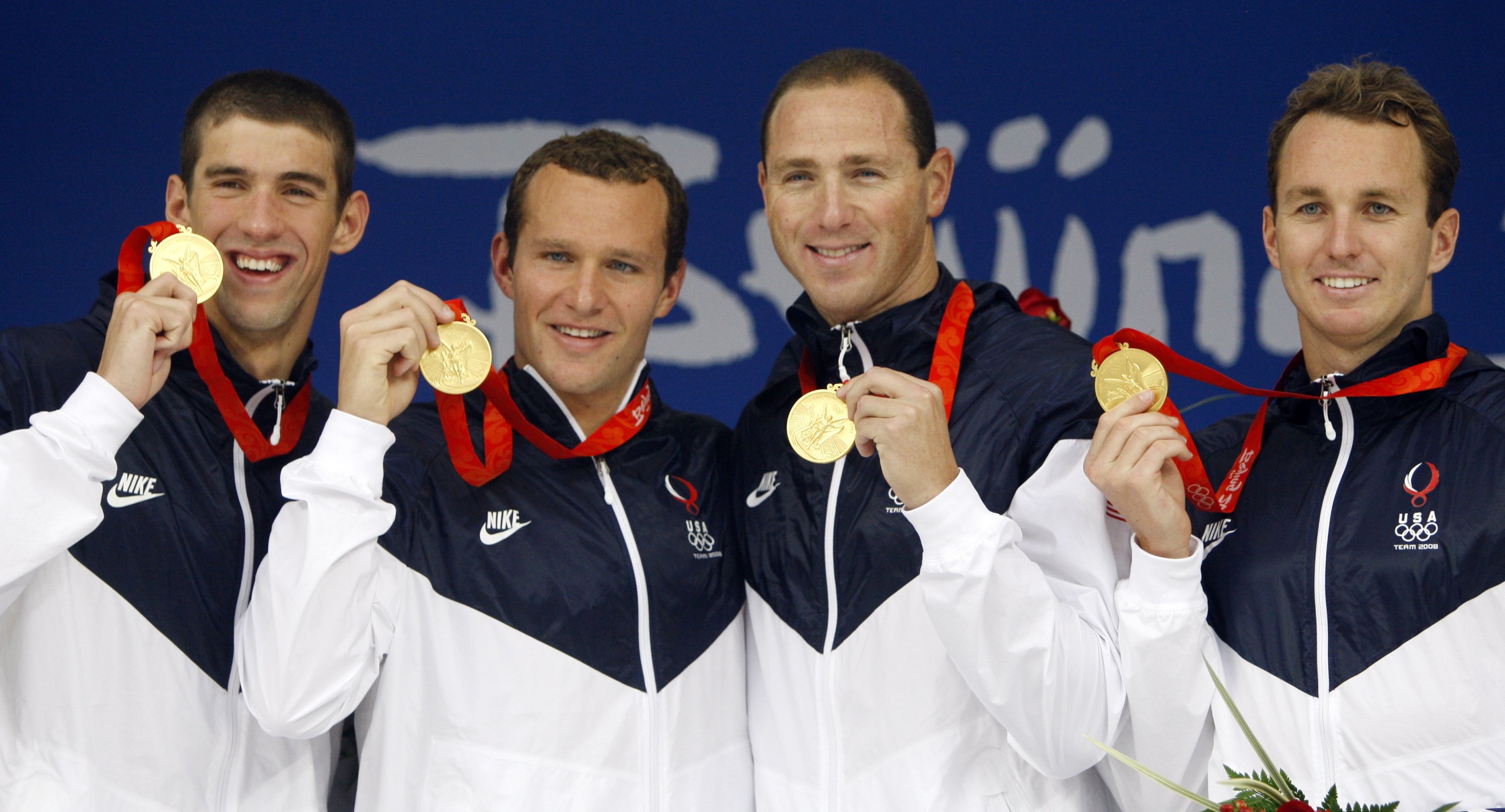
The United States won in a world-record time of 3 minutes, 8.24 seconds, with Michael Phelps among the four swimmers. The victory was crucial to Phelps' pursuit of a record eight gold medals at a single Olympics.
Lezak's final leg became one of the defining relay performances in Olympic swimming, demonstrating how a race can change in its closing seconds.
Motorsports comebacks demand exceptional physical recovery and mental resilience. Drivers face high speeds, demanding machinery and the constant risk of serious injury, making returns from major accidents particularly striking.
Lauda's return after a near-fatal crash, 1976
Niki Lauda's comeback after his devastating crash at the 1976 German Grand Prix remains one of Formula One's most remarkable stories.
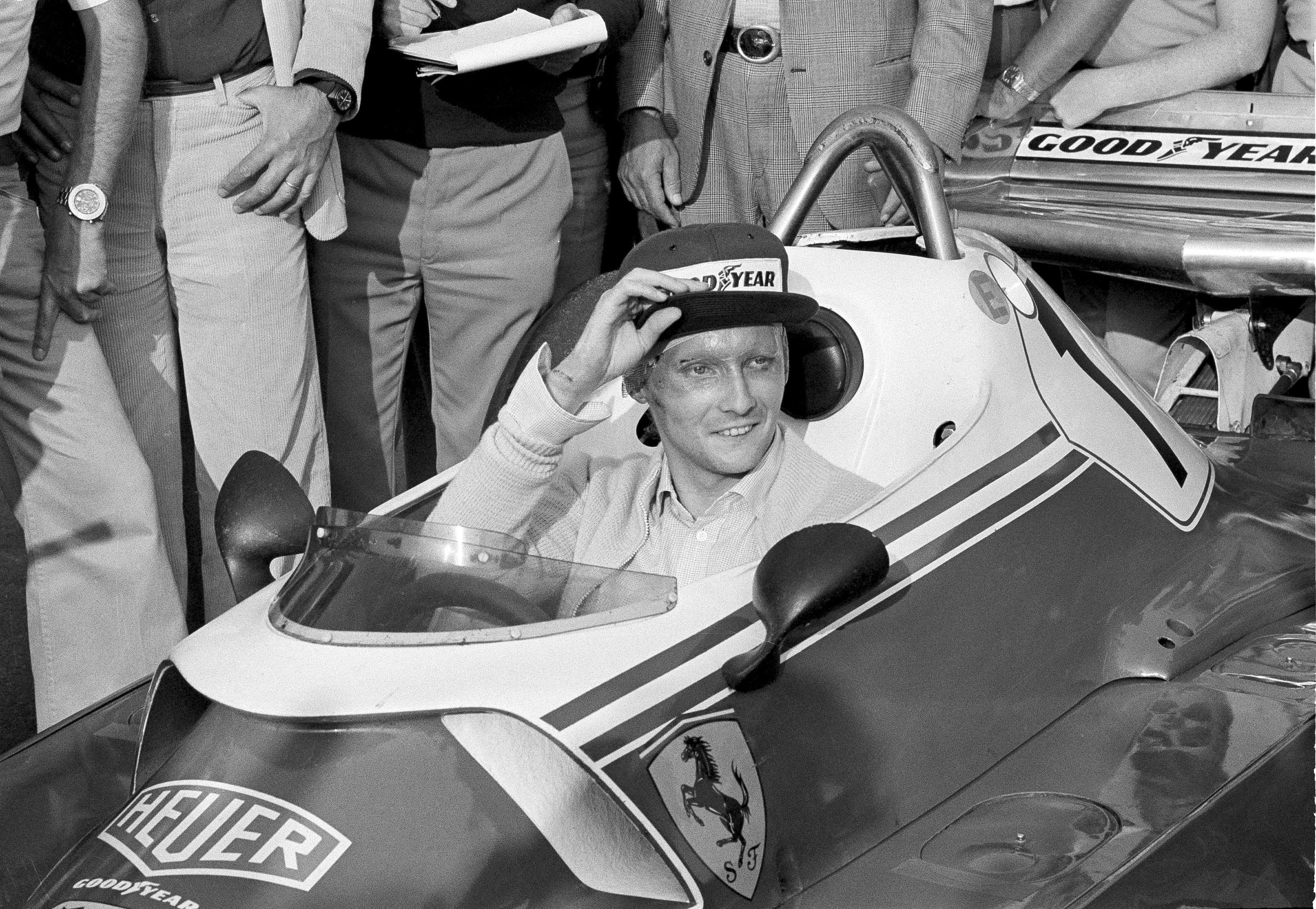
On Aug. 1, Lauda lost control of his Ferrari at the Nürburgring, crashed and became trapped in the burning wreckage. He suffered severe burns and serious lung injuries, and his condition was so critical that he received the last rites.
Yet Lauda returned to racing just 42 days later at the Italian Grand Prix in Monza, finishing fourth despite his injuries. His comeback was all the more remarkable because he remained in contention for the championship against British rival James Hunt.
Lauda ultimately lost the 1976 title by one point after withdrawing from the rain-soaked Japanese Grand Prix at Fuji because he considered the conditions too dangerous. He reclaimed the championship in 1977 before retiring in 1979.
He later returned to Formula One with McLaren and won a third world title in 1984, beating teammate Alain Prost by just half a point. His career demonstrated an unusual combination of courage, discipline and strategic judgment, with his recovery from the 1976 crash remaining central to his legacy.
The greatest comebacks share a common element: they unfold at the point when defeat appears more likely than victory. Liverpool's recovery in Istanbul required a rapid change in momentum, while Cleveland's NBA championship depended on sustaining belief across several games. Ali and Foreman demonstrated that a comeback can also mean rebuilding a career after years of absence.
These stories endure because they involve more than a final score. They reveal how athletes respond to pressure, how teams adapt when their original plans fail and how a single moment can change the course of a career or an entire sporting season.
Some victories arrive in the closing seconds. Others take years of work. Their lasting appeal lies in the same possibility: even when the odds appear overwhelming, the outcome is not always settled.