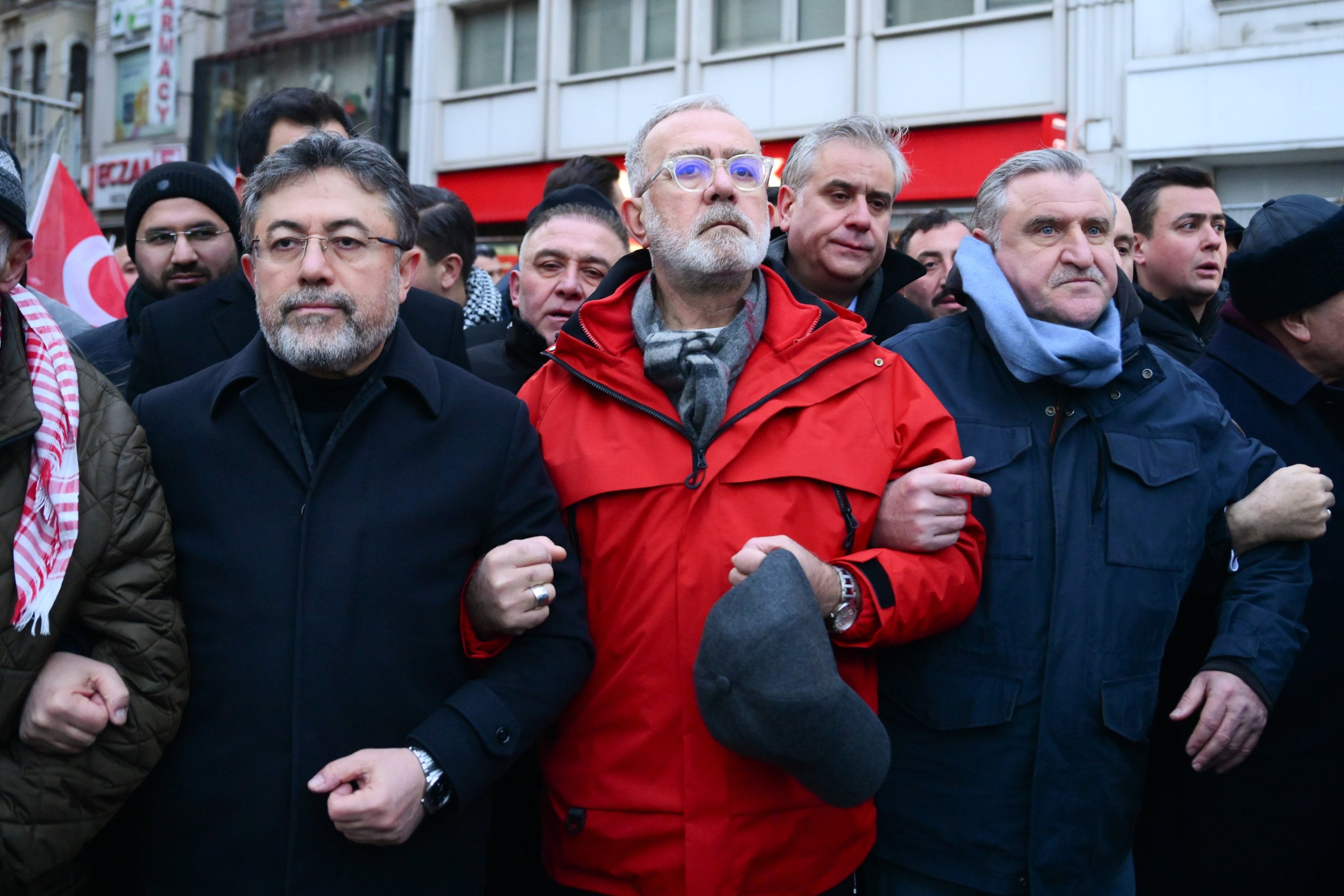
Türkiye’s sports community stepped out of arenas and boardrooms on Thursday, joining one of the country’s largest pro-Palestinian demonstrations as hundreds of thousands gathered on Istanbul’s Galata Bridge to demand an end to the violence in the occupied territories.
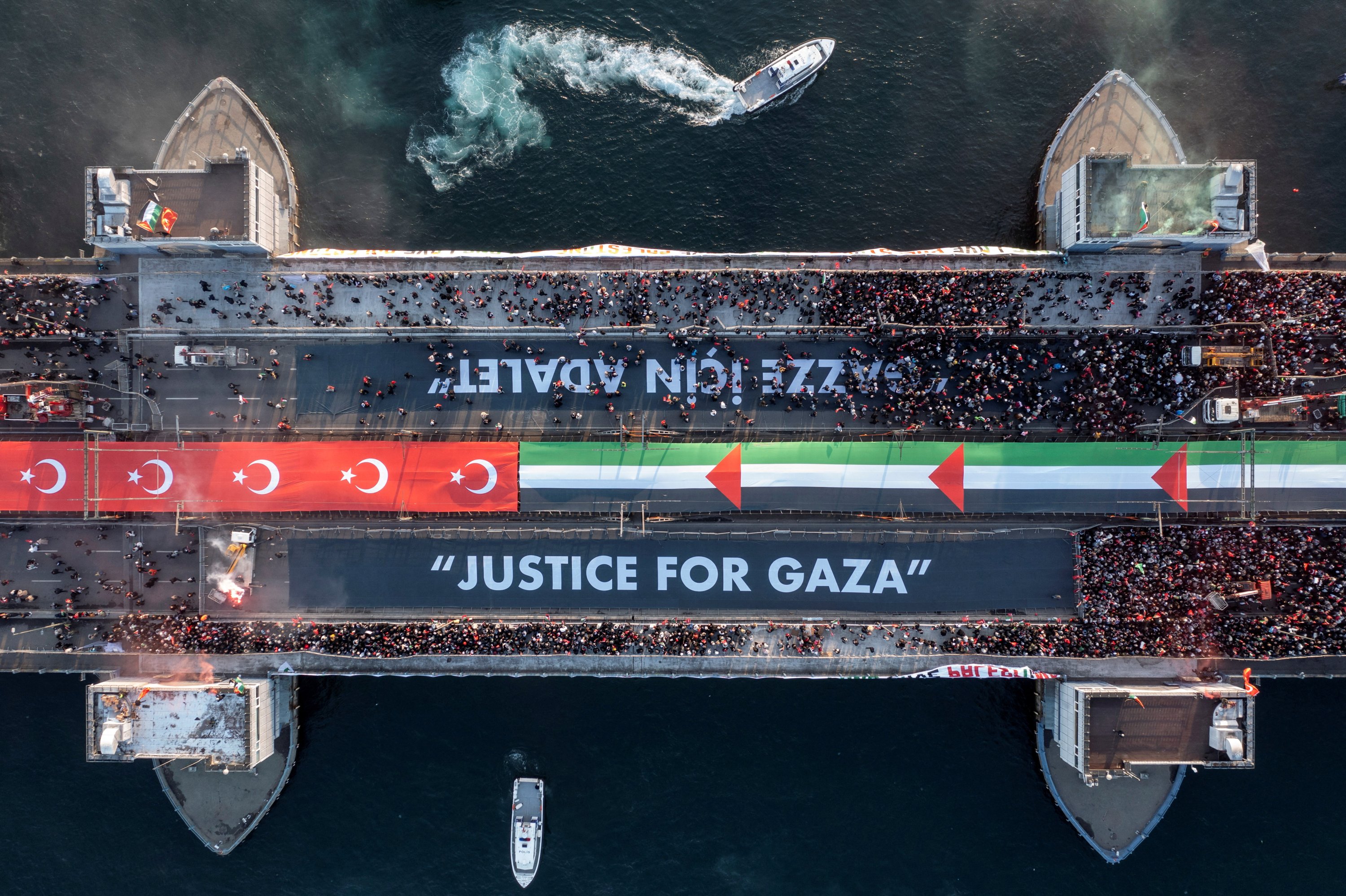
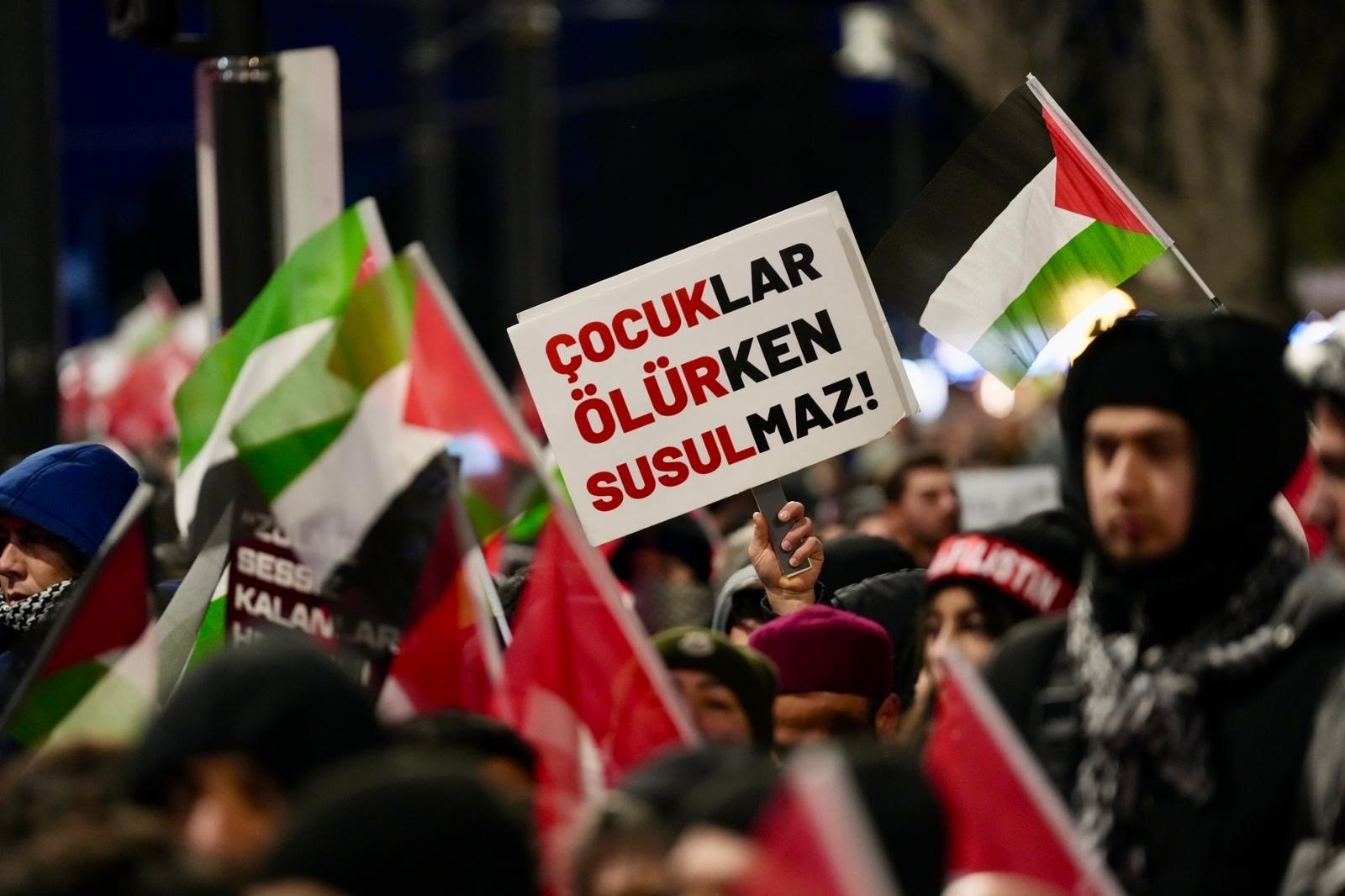
The rally, organized by the Alliance of Humanity and the National Will Platform under the slogan “We won’t cower, we won’t keep quiet, we won’t forget Palestine,” brought together athletes, club executives and federation leaders in a rare show of unity that cut across club rivalries and sporting disciplines.
Led by the Türkiye Youth Foundation (TUGVA), the event underscored how sport, often a mirror of national identity in Türkiye, has become a visible channel for collective moral protest amid the deepening humanitarian crisis in Gaza and the West Bank.
The sports presence was striking both in scale and symbolism.
Among those attending were Youth and Sports Minister Osman Aşkın Bak, Turkish Wrestling Federation President and Olympic champion Taha Akgül, Turkish Karate Federation President Ercüment Taşdemir, Beşiktaş President Serdal Adalı, Fenerbahçe board members Ertan Torunoğulları, Adem Koz, İlker Alkun and Taner Sönmezer, Galatasaray Sportif AŞ Deputy Chairman Abdullah Kavukçu, Galatasaray head coach Okan Buruk, and national wrestling legend Rıza Kayaalp.
Executives and athletes from numerous other federations and clubs joined them, transforming the bridge into a rare space where colors, crests and rivalries were set aside in favor of a shared message of solidarity.
For a country where football allegiances often divide cities and households, the sight of Beşiktaş, Fenerbahçe and Galatasaray figures standing shoulder to shoulder carried weight far beyond sport.
Addressing the crowd, Minister Bak said Türkiye has consistently stood with oppressed peoples and noted that President Recep Tayyip Erdoğan has repeatedly raised the situation in Gaza at the United Nations and other international platforms.
“The sensitivity shown by our people toward Gaza is extremely important,” Bak said. “Citizens from across the country have come together to make their voices heard.”
Bak highlighted the role of sport as a unifying social force, praising clubs and athletes for their visibility and influence. “Our youth taking ownership of this cause matters greatly,” he said, pointing to the large turnout of young people mobilized through sports networks and youth organizations.
Akgül framed the rally as a moral stand rather than a political one.
“All of Türkiye is coming together for Palestine, and the sports community is part of this,” he said. “This is not only a test for the world, but a test of conscience. Even if we can do nothing else, we must at least raise our voices.”
Taşdemir said sport carries ethical responsibilities alongside competition and achievement.
“Sport is not just about winning medals,” he said. “Standing against injustice and standing with the innocent is a human responsibility.”
Kayaalp, one of Türkiye’s most decorated wrestlers, delivered one of the rally’s most emotional messages, focusing on the human cost of the conflict.
“While we sleep comfortably, children there are left out in the cold,” he said. “Everyone is trying to help, but more must be done. We came here so they can see better days as soon as possible.”
Buruk emphasized the emotional bond between the Turkish public and Palestinians, noting the significance of unity among rival fan bases.
“The Turkish people have always stood with Palestine,” he said. “We share their pain. Seeing supporters of different teams gathered here is deeply meaningful.”
Kavukçu said Galatasaray’s participation aimed to draw sustained attention to what he described as ongoing injustice. “We are here to call for this oppression to come to an end,” he said.
Held on New Year’s Day, the rally carried added resonance, turning the iconic bridge, which links Istanbul’s European and Asian sides, into a powerful metaphor for unity and continuity.
For Türkiye’s sports world, the demonstration marked a moment where visibility, influence and public trust were consciously leveraged for advocacy. It reflected a growing belief among athletes and clubs that their responsibilities extend beyond competition, into the broader moral conversations shaping society.