

Daily Sabah logo

Politics
Diplomacy Legislation War On Terror EU Affairs Elections News Analysis
TÜRKİYE
Istanbul Education Investigations Minorities Expat Corner Diaspora
World
Mid-East Europe Americas Asia Pacific Africa Syrian Crisis Islamophobia
Business
Automotive Economy Energy Finance Tourism Tech Defense Transportation News Analysis
Lifestyle
Health Environment Travel Food Fashion Science Religion History Feature Expat Corner
Arts
Cinema Music Events Portrait Reviews Performing Arts
Sports
Football Basketball Motorsports Tennis
Opinion
Columns Op-Ed Reader's Corner Editorial
PHOTO GALLERY
JOBS ABOUT US RSS PRIVACY CONTACT US
© Turkuvaz Haberleşme ve Yayıncılık 2025

Daily Sabah - Latest & Breaking News from Turkey | Istanbul

  • Politics
    • Diplomacy
    • Legislation
    • War On Terror
    • EU Affairs
    • Elections
    • News Analysis
  • TÜRKİYE
    • Istanbul
    • Education
    • Investigations
    • Minorities
    • Expat Corner
    • Diaspora
  • World
    • Mid-East
    • Europe
    • Americas
    • Asia Pacific
    • Africa
    • Syrian Crisis
    • Islamophobia
  • Business
    • Automotive
    • Economy
    • Energy
    • Finance
    • Tourism
    • Tech
    • Defense
    • Transportation
    • News Analysis
  • Lifestyle
    • Health
    • Environment
    • Travel
    • Food
    • Fashion
    • Science
    • Religion
    • History
    • Feature
    • Expat Corner
  • Arts
    • Cinema
    • Music
    • Events
    • Portrait
    • Reviews
    • Performing Arts
  • Sports
    • Football
    • Basketball
    • Motorsports
    • Tennis
  • Gallery
  • Opinion
    • Columns
    • Op-Ed
    • Reader's Corner
    • Editorial
  • TV

Antalya beachgoers should watch out for nomad jellyfish, Turkish expert warns

by Daily Sabah

ISTANBUL Mar 11, 2019 - 7:04 pm GMT+3
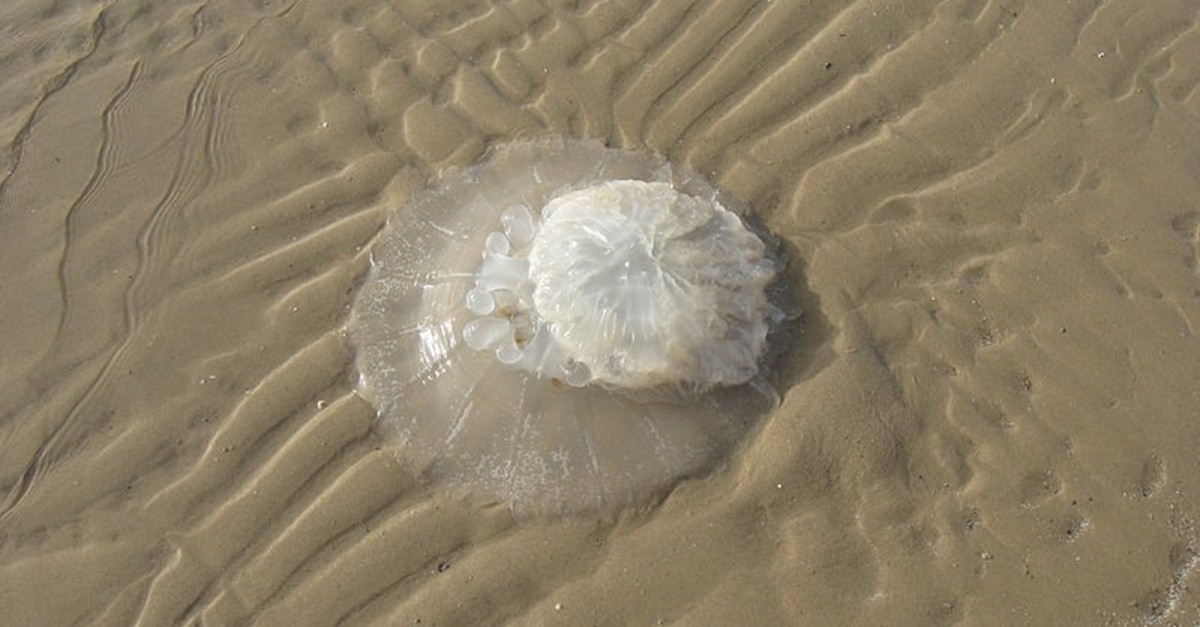
Photo dated Feb. 19, 2010 shows a Rhopilema nomadica washed up on a beach. (Photo courtesy of Ori~ / WIKIMEDIA COMMONS Photo)
by Daily Sabah Mar 11, 2019 7:04 pm

Beachgoers in southern Antalya should be on the lookout for the nomad jellyfish, a species that can cause very painful injuries to humans, as they recently been spotted off the coast of the Mediterranean province.

Mehmet Cengiz Deval, dean of Akdeniz University's Faculty of Aquaculture, said that westward surface currents can sweep the nomad jellyfishes (Rhopilema nomadica) to the coasts of Antalya from their breeding grounds in the Gulf of Iskenderun.

"During this temporary period, swimmers, divers, amateur or professional fishermen and lifeguards must be cautious and avoid any contact with the jellyfish," Deval said, adding that the sea creatures should not be touched even if they have washed ashore and died.

The jellyfish have vermicular filaments covered in venomous stinging cells called nematocysts, Deval explained. When a human comes in contact with a jellyfish, these venomous cells attach to the skin.

Deval noted that nematocysts' sting becomes much worse if they burst open and therefore, "nematocysts that have not yet been opened should be removed as soon as possible or prevented from opening."

He said that the most secure way to remove nematocysts from the skin without breaking them open is to use sea water, adding, "Tentacles that cannot be removed by sea water can be removed by using ammonia or by grasping with a blunt-edged object or by gently plucking with tweezers."

People should avoid scrubbing or scratching their skin or washing the area with fresh water if they touch a jellyfish, since these actions cause nematocysts to burst and the effects of their venom to worsen, Deval said.

"If you touch the jellyfish with your hands, you must keep your hands away from your face. Otherwise, it will irritate your eyes," Deval said, adding, "It's good to go to the hospital in case of high risk."

Nomad jellyfish are indigenous to tropical warm waters of the Indian and Pacific Oceans. However, since the 1970s, they have also been found in the Mediterranean Sea, including off the coasts of Israel and Turkey, and in the Aegean Sea off the coast of Greece. The European Union lists nomad jellyfish as one of the worst invasive marine species in European waters.

  • shortlink copied
  • KEYWORDS
    life
    The Daily Sabah Newsletter
    Keep up to date with what’s happening in Turkey, it’s region and the world.
    You can unsubscribe at any time. By signing up you are agreeing to our Terms of Use and Privacy Policy. This site is protected by reCAPTCHA and the Google Privacy Policy and Terms of Service apply.
    No Image
    Russia: Thousands detained amid rallies for Navalny
    PHOTOGALLERY
    • POLITICS
    • Diplomacy
    • Legislation
    • War On Terror
    • EU Affairs
    • News Analysis
    • TÜRKİYE
    • Istanbul
    • Education
    • Investigations
    • Minorities
    • Diaspora
    • World
    • Mid-East
    • Europe
    • Americas
    • Asia Pacific
    • Africa
    • Syrian Crisis
    • İslamophobia
    • Business
    • Automotive
    • Economy
    • Energy
    • Finance
    • Tourism
    • Tech
    • Defense
    • Transportation
    • News Analysis
    • Lifestyle
    • Health
    • Environment
    • Travel
    • Food
    • Fashion
    • Science
    • Religion
    • History
    • Feature
    • Expat Corner
    • Arts
    • Cinema
    • Music
    • Events
    • Portrait
    • Performing Arts
    • Reviews
    • Sports
    • Football
    • Basketball
    • Motorsports
    • Tennis
    • Opinion
    • Columns
    • Op-Ed
    • Reader's Corner
    • Editorial
    • Photo gallery
    • DS TV
    • Jobs
    • privacy
    • about us
    • contact us
    • RSS
    © Turkuvaz Haberleşme ve Yayıncılık 2021