Daily Sabah logo

Politics
Diplomacy Legislation War On Terror EU Affairs Elections News Analysis
TÜRKİYE
Istanbul Education Investigations Minorities Expat Corner Diaspora
World
Mid-East Europe Americas Asia Pacific Africa Syrian Crisis Islamophobia
Business
Automotive Economy Energy Finance Tourism Tech Defense Transportation News Analysis
Lifestyle
Health Environment Travel Food Fashion Science Religion History Feature Expat Corner
Arts
Cinema Music Events Portrait Reviews Performing Arts
Sports
Football Basketball Motorsports Tennis
Opinion
Columns Op-Ed Reader's Corner Editorial
PHOTO GALLERY
JOBS ABOUT US RSS PRIVACY CONTACT US
© Turkuvaz Haberleşme ve Yayıncılık 2026

Daily Sabah - Latest & Breaking News from Turkey | Istanbul

  • Politics
    • Diplomacy
    • Legislation
    • War On Terror
    • EU Affairs
    • Elections
    • News Analysis
  • TÜRKİYE
    • Istanbul
    • Education
    • Investigations
    • Minorities
    • Expat Corner
    • Diaspora
  • World
    • Mid-East
    • Europe
    • Americas
    • Asia Pacific
    • Africa
    • Syrian Crisis
    • Islamophobia
  • Business
    • Automotive
    • Economy
    • Energy
    • Finance
    • Tourism
    • Tech
    • Defense
    • Transportation
    • News Analysis
  • Lifestyle
    • Health
    • Environment
    • Travel
    • Food
    • Fashion
    • Science
    • Religion
    • History
    • Feature
    • Expat Corner
  • Arts
    • Cinema
    • Music
    • Events
    • Portrait
    • Reviews
    • Performing Arts
  • Sports
    • Football
    • Basketball
    • Motorsports
    • Tennis
  • Gallery
  • Opinion
    • Columns
    • Op-Ed
    • Reader's Corner
    • Editorial
  • TV
  • TÜRKİYE
  • Istanbul
  • Education
  • Investigations
  • Minorities
  • Expat Corner
  • Diaspora

Killer bees from China worry Turkish honey producers

by Daily Sabah with DHA

ISTANBUL May 27, 2020 - 1:12 pm GMT+3
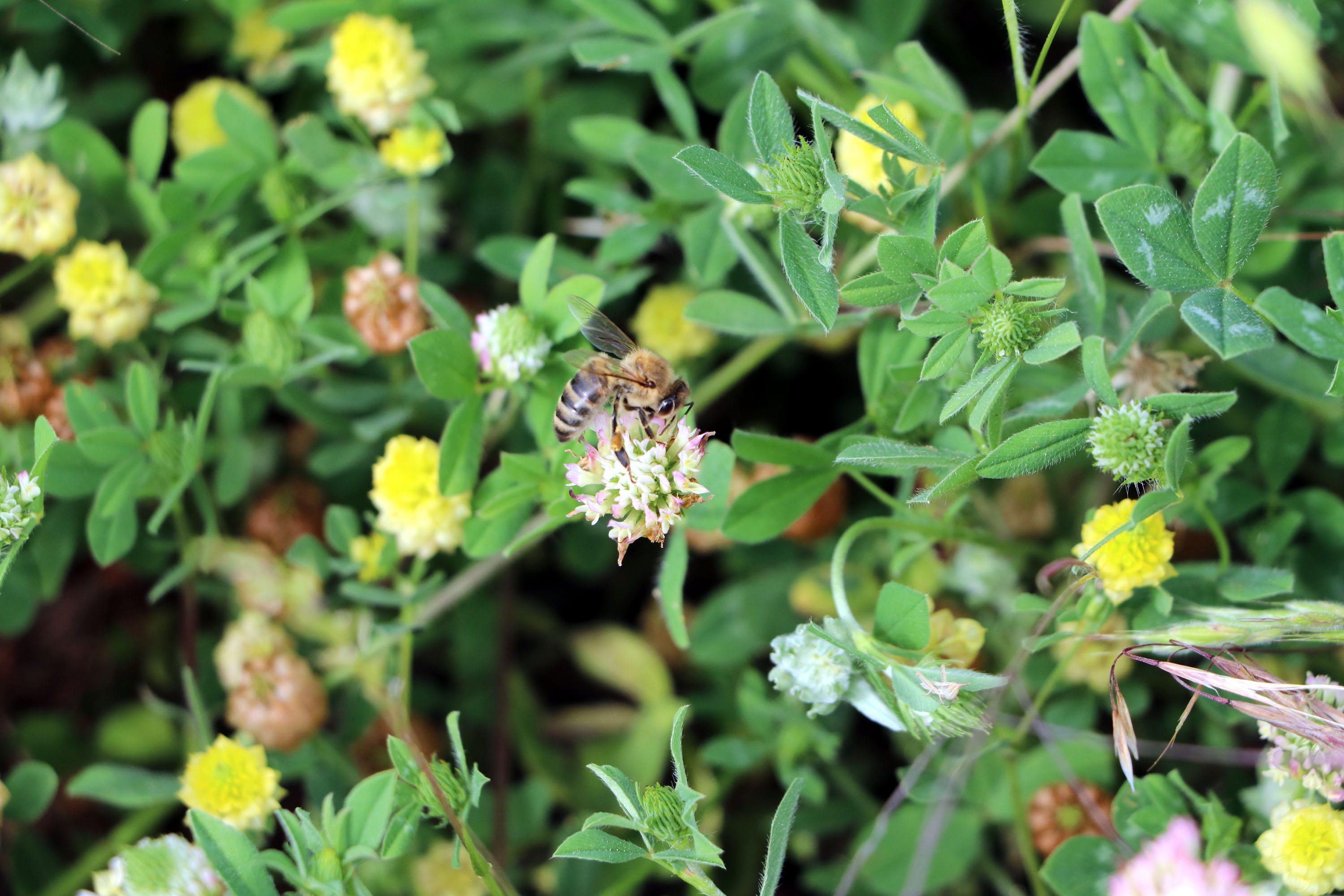
A bee forages inside a flower in a field in western Çanakkale province, May 20, 2020. (AFP Photo)
by Daily Sabah with DHA May 27, 2020 1:12 pm

Dryocosmus kuriphilus, a species of gall wasps also known as the Oriental chestnut gall wasp, is threatening honey production in the northern province of Düzce, as it prevents chestnut trees from blooming and causes them to wither over time.

Originally from China, gall wasps appeared in the western Yalova and Bursa provinces initially in Turkey. The pest nestles in the buds of the chestnuts and prevents them from blossoming. Now, they have been sighted in Düzce and have become a concern for honey producers in the province.

Aykut Keleş, Düzce head of the Turkish Agriculture and Beekeeping Solidarity Platform, told Demirören News Agency (DHA) that crops of chestnuts will dry up if an effective strategy is not be applied. “Gall wasps decrease productivity, and we will soon not able to find even chestnuts to eat. We heard that a beetle species is being cultivated to fight against them,” he said.

Dean of Düzce University’s Faculty of Agriculture, Sevcan Öztemiz, said gall wasps cause significant economic losses for honey producers. “It originated in China. In 1941, they were seen in Japan, Korea and Nepal, and in America in the 1970s. In our country, it was sighted for the first time in 2014. They have already spread in Bursa and Yalova, and there is a great risk of them spreading all over the country," she stated.

Noting that gall wasps cause a productivity loss of between 50% and 75%, Öztemiz added that they especially harm the buds of flowers.

“It is hard to control them because gall wasps spawn inside buds and thus larvas emerge mature in May after spending the winter inside the buds. We are considering chemical options as a last resort. There is a possibility for a biological struggle,” she said.

“Another bee species, Torymus sinensis, is the most effective tool against gall wasps. They are being used in Italy, Japan and Korea. We also brought them from Italy and released them in Bursa and Yalova,” Öztemiz added.

The rapid invasion of pests is a worldwide problem and is creating substantial economic and ecological damage in many countries, especially for the chestnut sector. They shrink ripening and nut yield, suppress the vigor of trees and can even cause the death of trees.


  • shortlink copied
  • Last Update: May 27, 2020 5:08 pm
    KEYWORDS
    animal archives gall wasps bees honey production
    The Daily Sabah Newsletter
    Keep up to date with what’s happening in Turkey, it’s region and the world.
    You can unsubscribe at any time. By signing up you are agreeing to our Terms of Use and Privacy Policy. This site is protected by reCAPTCHA and the Google Privacy Policy and Terms of Service apply.
    No Image
    Beautiful fall destinations in eastern Turkey
    PHOTOGALLERY
    • POLITICS
    • Diplomacy
    • Legislation
    • War On Terror
    • EU Affairs
    • News Analysis
    • TÜRKİYE
    • Istanbul
    • Education
    • Investigations
    • Minorities
    • Diaspora
    • World
    • Mid-East
    • Europe
    • Americas
    • Asia Pacific
    • Africa
    • Syrian Crisis
    • İslamophobia
    • Business
    • Automotive
    • Economy
    • Energy
    • Finance
    • Tourism
    • Tech
    • Defense
    • Transportation
    • News Analysis
    • Lifestyle
    • Health
    • Environment
    • Travel
    • Food
    • Fashion
    • Science
    • Religion
    • History
    • Feature
    • Expat Corner
    • Arts
    • Cinema
    • Music
    • Events
    • Portrait
    • Performing Arts
    • Reviews
    • Sports
    • Football
    • Basketball
    • Motorsports
    • Tennis
    • Opinion
    • Columns
    • Op-Ed
    • Reader's Corner
    • Editorial
    • Photo gallery
    • DS TV
    • Jobs
    • privacy
    • about us
    • contact us
    • RSS
    © Turkuvaz Haberleşme ve Yayıncılık 2021