Daily Sabah logo

Politics
Diplomacy Legislation War On Terror EU Affairs Elections News Analysis
TÜRKİYE
Istanbul Education Investigations Minorities Expat Corner Diaspora
World
Mid-East Europe Americas Asia Pacific Africa Syrian Crisis Islamophobia
Business
Automotive Economy Energy Finance Tourism Tech Defense Transportation News Analysis
Lifestyle
Health Environment Travel Food Fashion Science Religion History Feature Expat Corner
Arts
Cinema Music Events Portrait Reviews Performing Arts
Sports
Football Basketball Motorsports Tennis
Opinion
Columns Op-Ed Reader's Corner Editorial
PHOTO GALLERY
JOBS ABOUT US RSS PRIVACY CONTACT US
© Turkuvaz Haberleşme ve Yayıncılık 2025

Daily Sabah - Latest & Breaking News from Turkey | Istanbul

  • Politics
    • Diplomacy
    • Legislation
    • War On Terror
    • EU Affairs
    • Elections
    • News Analysis
  • TÜRKİYE
    • Istanbul
    • Education
    • Investigations
    • Minorities
    • Expat Corner
    • Diaspora
  • World
    • Mid-East
    • Europe
    • Americas
    • Asia Pacific
    • Africa
    • Syrian Crisis
    • Islamophobia
  • Business
    • Automotive
    • Economy
    • Energy
    • Finance
    • Tourism
    • Tech
    • Defense
    • Transportation
    • News Analysis
  • Lifestyle
    • Health
    • Environment
    • Travel
    • Food
    • Fashion
    • Science
    • Religion
    • History
    • Feature
    • Expat Corner
  • Arts
    • Cinema
    • Music
    • Events
    • Portrait
    • Reviews
    • Performing Arts
  • Sports
    • Football
    • Basketball
    • Motorsports
    • Tennis
  • Gallery
  • Opinion
    • Columns
    • Op-Ed
    • Reader's Corner
    • Editorial
  • TV
  • TÜRKİYE
  • Istanbul
  • Education
  • Investigations
  • Minorities
  • Expat Corner
  • Diaspora

Turkish researchers spot most mutated genes of SARS-CoV-2

by Anadolu Agency

ANKARA Aug 28, 2020 - 5:47 pm GMT+3
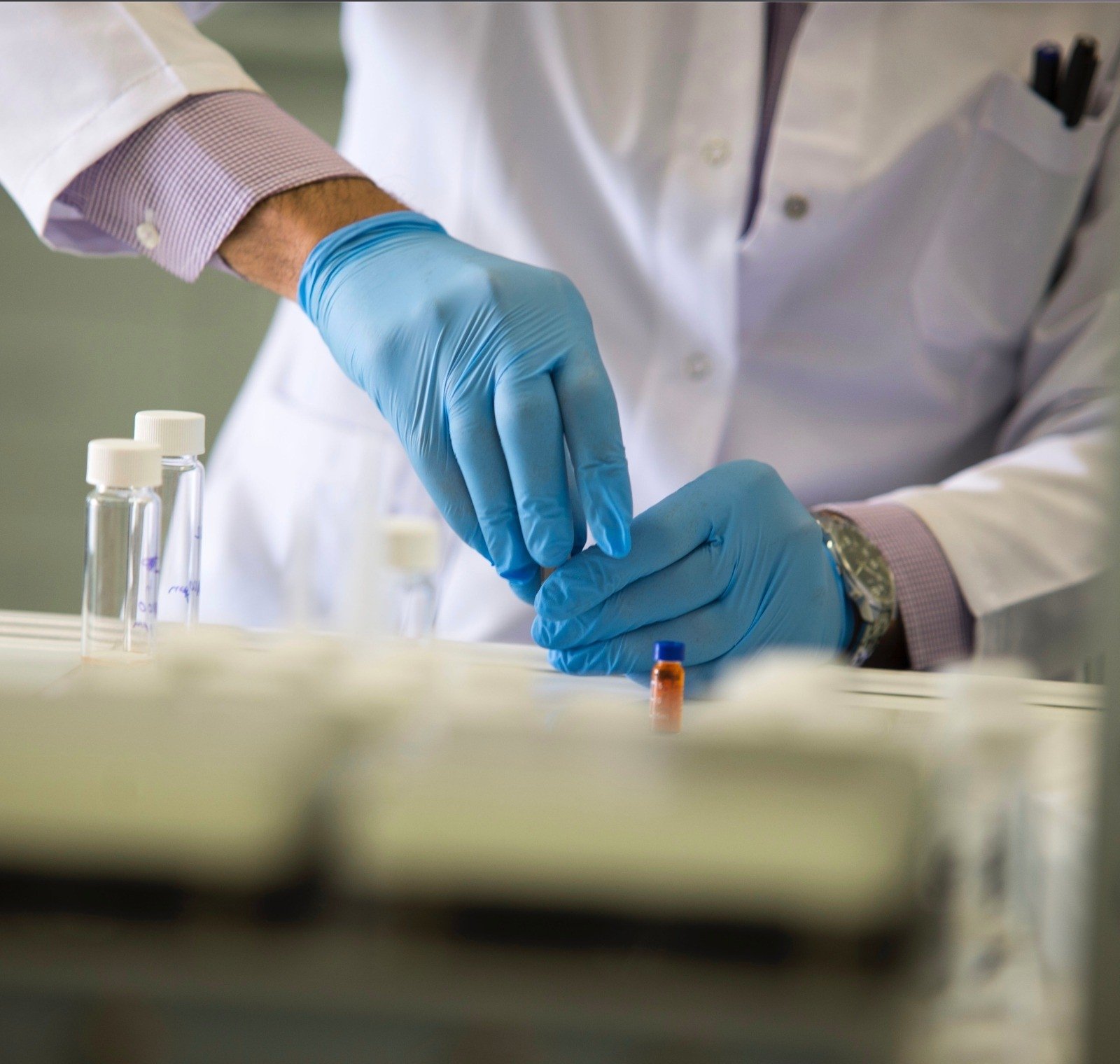
Group of Turkish researchers from Ege University in the western Turkish city of Izmir, along with  experts from Izmir Biomedicine and Genome Center (IBG), carried out studies on the Global Initiative for Sharing All Influenza Data (GISAID), which included a total of 30,000 coronavirus genome data collected from patients in different countries in this undated picture. (IHA Photo)
Group of Turkish researchers from Ege University in the western Turkish city of Izmir, along with experts from Izmir Biomedicine and Genome Center (IBG), carried out studies on the Global Initiative for Sharing All Influenza Data (GISAID), which included a total of 30,000 coronavirus genome data collected from patients in different countries in this undated picture. (IHA Photo)
by Anadolu Agency Aug 28, 2020 5:47 pm

A group of Turkish researchers have identified the most mutated genes of the novel coronavirus, said a Turkish university on Friday.

Dr. Aslı Suner Karakülah from the Faculty of Medicine at Ege University in the western Turkish city of Izmir, along with a group of experts from Izmir Biomedicine and Genome Center (IBG), carried out studies on the Global Initiative for Sharing All Influenza Data (GISAID), which included a total of 30,000 coronavirus genome data collected from patients in different countries.

In a statement, Karakülah said their research showed that the changes that were seen in the virus were not distributed on the virus genes at the same rate, as some genes of the virus changed more than others.

Noting how the changes over time in the coronavirus genome differs throughout the pandemic stages, Karakülah said the research team analyzed the mutations in the Spike protein and RdRp and Nsp14 genes, which play a role in the virus replicating itself.

"We anticipate that viruses carrying these mutations have a higher rate of propagation, and thus their infectiousness may be also higher. This allows us to predict the variability and possible infectious effects of the coronavirus,” she said.

She went on to say that if there are viruses carrying these mutations, the data will be able to provide warnings about contagiousness, like an early warning system.

If the viruses carrying mutations are found in hospital wastewater or on swabbing samples used in public transportation, Karakülah said, then it could be concluded that some of these viruses may be more contagious and spread faster.

Stating that their findings are based on statistical and bioinformatics analysis, she said: "We think that by integrating clinical data into these findings, the possible effects of mutations on the disease can be elucidated."


  • shortlink copied
  • Last Update: Aug 28, 2020 7:11 pm
    KEYWORDS
    covid-19 outbreak turkey mutated genes mutation coronavirus
    The Daily Sabah Newsletter
    Keep up to date with what’s happening in Turkey, it’s region and the world.
    You can unsubscribe at any time. By signing up you are agreeing to our Terms of Use and Privacy Policy. This site is protected by reCAPTCHA and the Google Privacy Policy and Terms of Service apply.
    No Image
    World marks 51st Earth Day with drought, floods and a pandemic
    PHOTOGALLERY
    • POLITICS
    • Diplomacy
    • Legislation
    • War On Terror
    • EU Affairs
    • News Analysis
    • TÜRKİYE
    • Istanbul
    • Education
    • Investigations
    • Minorities
    • Diaspora
    • World
    • Mid-East
    • Europe
    • Americas
    • Asia Pacific
    • Africa
    • Syrian Crisis
    • İslamophobia
    • Business
    • Automotive
    • Economy
    • Energy
    • Finance
    • Tourism
    • Tech
    • Defense
    • Transportation
    • News Analysis
    • Lifestyle
    • Health
    • Environment
    • Travel
    • Food
    • Fashion
    • Science
    • Religion
    • History
    • Feature
    • Expat Corner
    • Arts
    • Cinema
    • Music
    • Events
    • Portrait
    • Performing Arts
    • Reviews
    • Sports
    • Football
    • Basketball
    • Motorsports
    • Tennis
    • Opinion
    • Columns
    • Op-Ed
    • Reader's Corner
    • Editorial
    • Photo gallery
    • DS TV
    • Jobs
    • privacy
    • about us
    • contact us
    • RSS
    © Turkuvaz Haberleşme ve Yayıncılık 2021