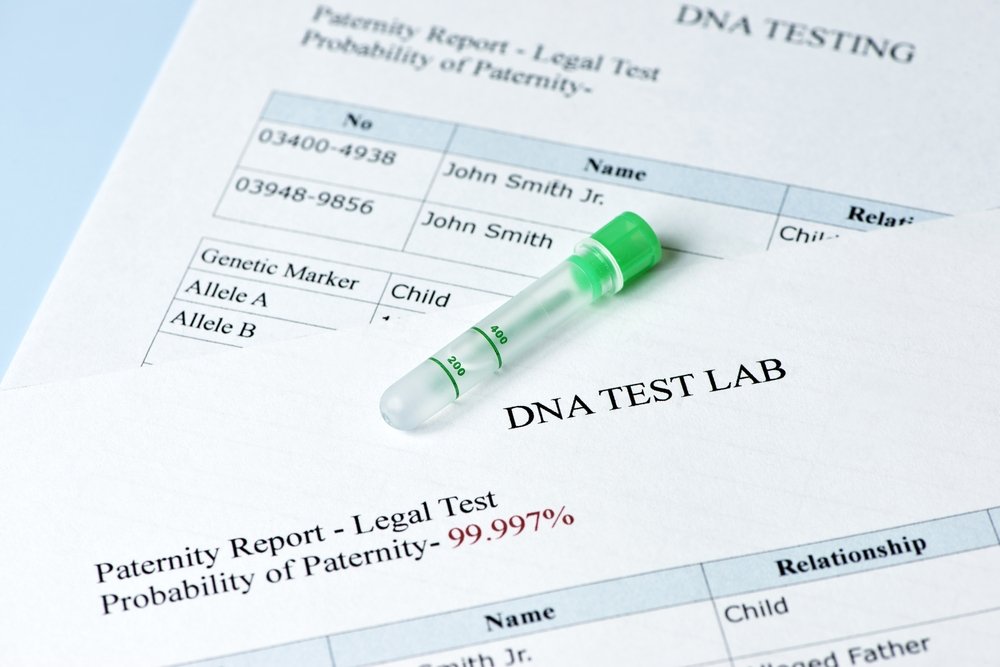
A Turkish court ordered a paternity test from a man living in the Netherlands, in the first such case in Türkiye in which someone living abroad has been mandated to supply a DNA sample.
Z.S., a businessperson from the western province of Izmir, was accused of fleeing Türkiye to the Netherlands to avoid formally adopting his two children that were born out of wedlock. Z.S. was in a relationship with A.Ç., mother of B.Ç. and T.Ç., from 1991 to 1998 but the two never officially married. When A.Ç. sought to formally marry, Z.S. left Türkiye where he owned a hotel. In the Netherlands, he started a new life and founded two companies there. The two siblings filed a paternity lawsuit years ago against their father, who has a fortune of 10 million euros (dollars). Z.S. skipped hearings and was able to avoid prosecution as he did not supply the DNA sample required to prove paternity.
However, an amendment in laws allowed authorities to track him down abroad. The court asked the Turkish Consulate in Rotterdam to reach out to Dutch police about the issue. Z.S. was detained last April by Dutch authorities and ordered to take a DNA test. Samples he supplied were sent to Türkiye and showed there was a “99.99%” chance he was the father of the siblings. The court issued a verdict to register the siblings as Z.S.'s children after 24 years, which will allow them to become legal heirs of the businessman.
Varol Turbay, the siblings' lawyer, told the Sabah newspaper on Wednesday that the process and verdict would set a precedent “for a parent avoiding paternity testing” and there would be “no escape from justice for them wherever they are." Turbay said his clients were now pursuing compensation from their father through another lawsuit.