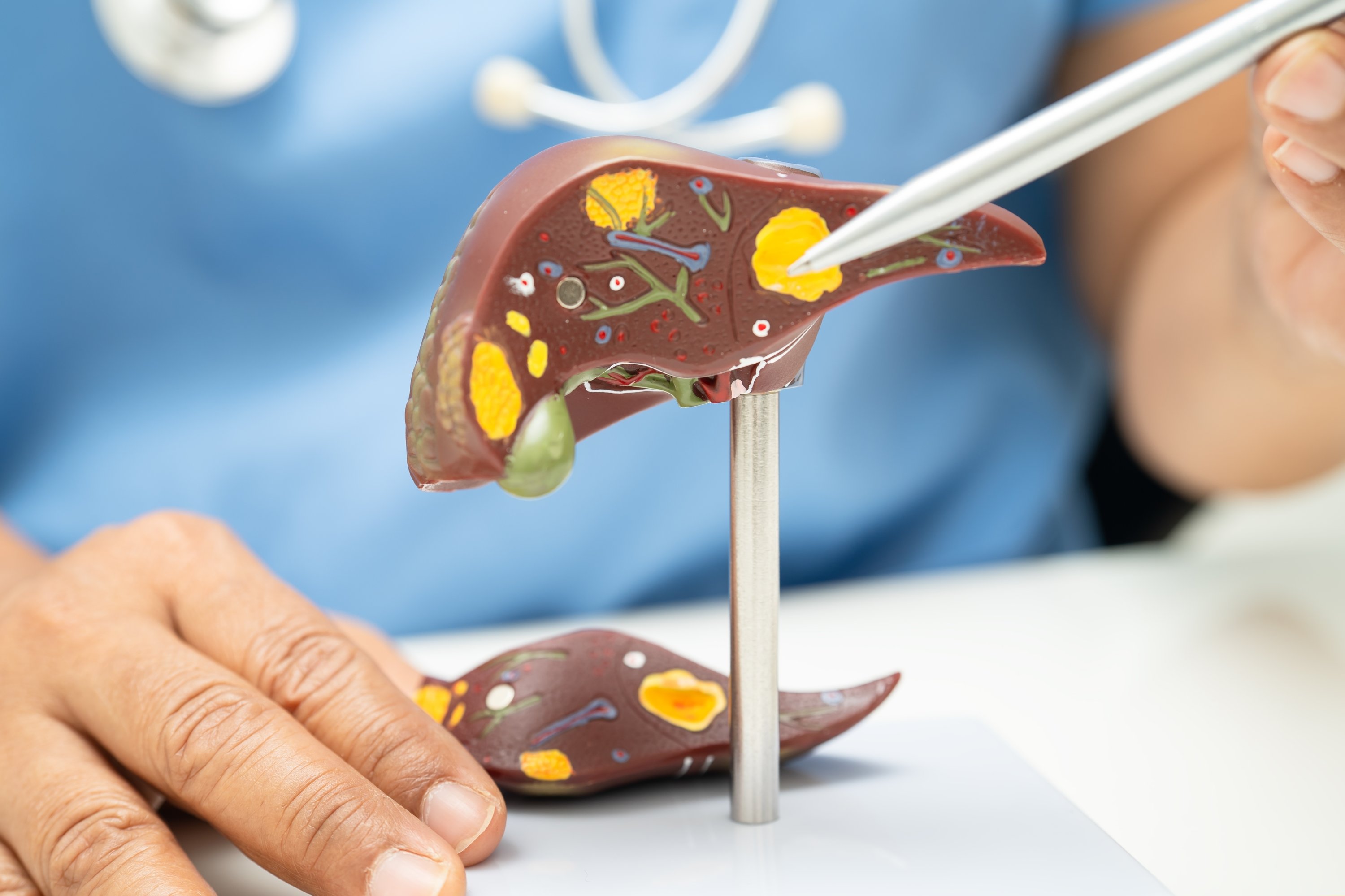
Fatty liver disease has become one of Türkiye’s most rapidly expanding metabolic conditions and is expected to be the leading cause of liver transplantation in the coming decade.
Gastroenterology specialist professor Gökhan Kabaçam stated, “The rate of fatty liver in Türkiye is 45%. One out of every two individuals experiences fatty liver. There is no medication for this condition. It can be treated with lifestyle modification.”
Kabaçam, who serves at Güven Hospital, spoke extensively on liver health. He said the primary disease groups threatening the liver are hepatitis and fatty liver. He emphasized that hepatitis carriage in Türkiye remains a significant public health concern.
According to Kabaçam, “Based on the latest studies, 4.5% of the Turkish population are active hepatitis B carriers. Hepatitis B is a virus that spreads easily. Therefore, it carries a significant risk for us. Through vaccination, the newer generations are more protected. Since vaccinations began in the 2000s, our children, our new generation, are more immune and secure in this regard. But this immunity does not apply to older generations."
He also noted that the hepatitis C rate is 0.8%. He added, "You must have heard in recent years that we have groundbreaking new treatments for hepatitis C, and with these treatments, we achieve 99% to 100% success. For hepatitis B, we suppress the virus and stop its progression. We prevent cirrhosis and cancer, but we do not yet have an approach that can eliminate the virus entirely. We are still waiting for that.”
Kabaçam stated that fatty liver disease will become the leading cause of liver transplantation over the next 10 years. He underlined that obesity is currently the most significant risk factor threatening liver health.
He said, “The main danger causing inflammation in the liver today is obesity, not only hepatitis viruses. According to recent studies, the fatty liver rate in Türkiye is 45%. One out of every two individuals experiences fatty liver."
He explained that not every fatty liver patient develops cirrhosis, nor does every case become inflamed. There are specific risk factors that lead to fatty liver inflammation, known as steatohepatitis. These include diabetes, high cholesterol, alcohol consumption, genetic predisposition and fat accumulation in the abdominal region.
According to projections, fatty liver will become the most significant cause of liver cancer, cirrhosis and liver transplantation within the next decade.
Kabaçam described fatty liver as a silent and slow-progressing condition. He said, “It progresses so quietly that a person can reach cirrhosis without noticing anything. It moves slowly, and biochemical indicators may not show it. Therefore, patients must be followed with imaging at an experienced medical center."
He noted that liver enzyme elevation lasting longer than six months is clinically defined as hepatitis, meaning liver inflammation. This also indicates increased risk of cirrhosis and cancer.
Speaking on Fibroscan, the measurement method that reduces biopsy necessity, Kabaçam said, “Fibroscan is a device that performs an ultrasonic measurement in five minutes. It does not harm the patient. Previously, we could only obtain numerical data on fibrosis and fat accumulation through biopsy. Now this device gives us those results and correlates 90% with biopsy.”
He said Fibroscan is highly beneficial in long-term follow-up. “If fat decreases and enzymes fall, we can measure whether fibrosis has regressed. Or if fibrosis and fat increase, we can determine that the risk of cirrhosis and cancer has risen.”
He added that the device is not widely available and is located only in specialized centers. It is not recommended for all patients due to cost-effectiveness. He advised patients to consult their physicians.
Kabaçam stressed that lifestyle modification is the fundamental approach in fatty liver treatment. “Discipline is required. There is no medication for this. It can be treated through lifestyle change,” he said.
He noted Türkiye’s access to Mediterranean nutrition as an advantage. He recommended vegetable and fruit-based nutrition, prioritizing white meat, lean red meat and reducing carbohydrate intake.
He suggested regular exercise and walking. “For example, 150 minutes per week of light sweating exercise provides significant benefit for liver health.”
If no gastric issue exists, he noted that drinking two cups of coffee a day is known to offer benefits. He said controlling diabetes, cholesterol or other metabolic disorders is also essential.