Turkish culture continues to thrive across the Balkans through language, literature, theater and the arts, with communities preserving their cultural heritage and passing it to younger generations, according to an International Organization of Turkic Culture (TÜRKSOY) official.
Sayit Yusuf, deputy secretary-general of TÜRKSOY, said that the Balkans are an integral part of the Turkic world and that the organization will continue expanding its cultural activities in the region.
Turkish culture, which took root in the Balkans during the Ottoman era, continues to maintain a presence centuries later through language, literature, theater, music and traditional arts.
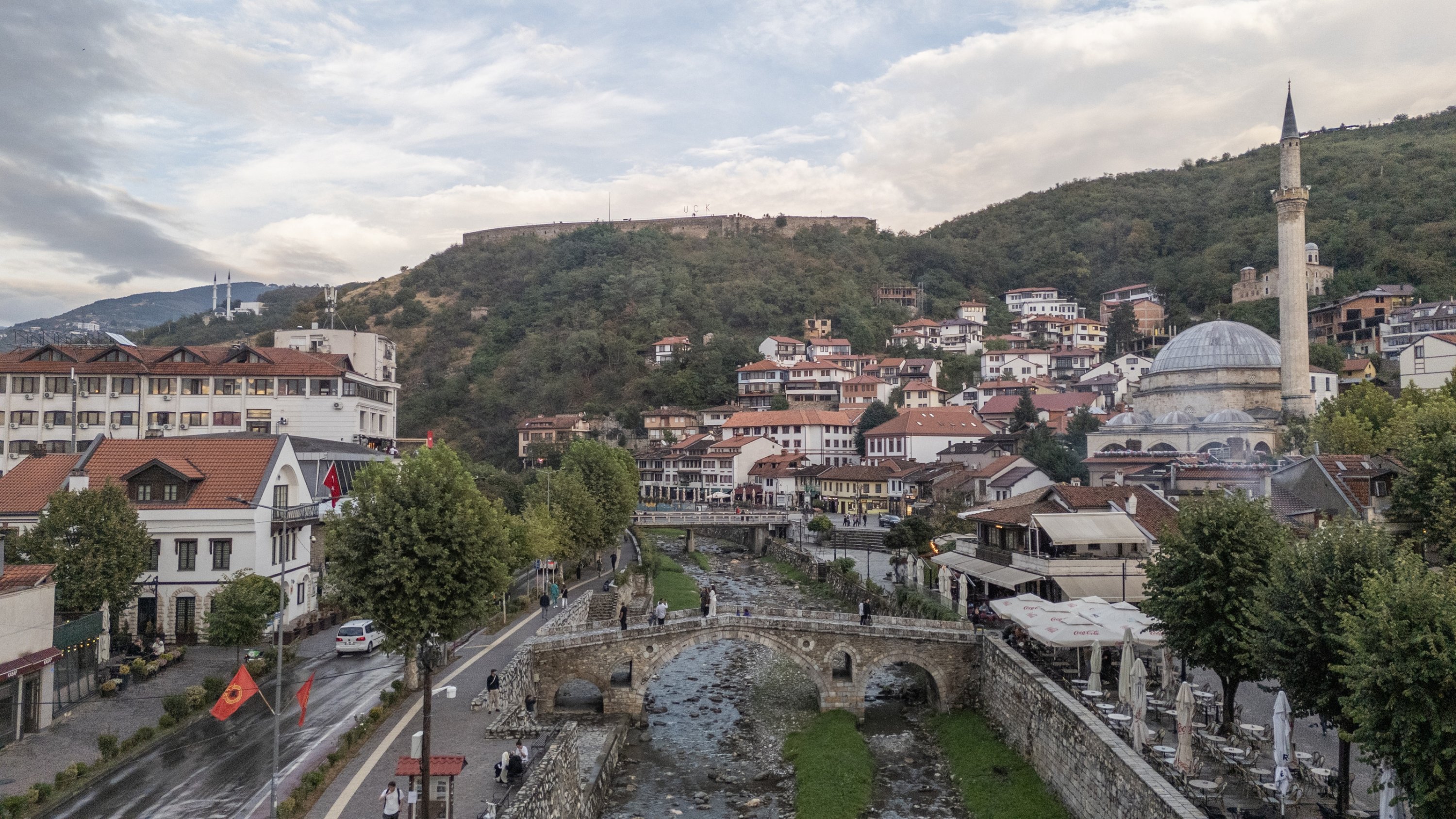
Prizren, one of the important centers of the Turkish presence in the Balkans, has a particularly important role in keeping Turkish language, literature and cultural identity alive, Yusuf said.
He described Prizren as a “cultural hub,” noting the strong involvement of local people in cultural and artistic activities.
“I have seen this in my own life for 30 to 35 years. I also know what came before. Almost any Turkish person you meet on the streets here is either a poet, novelist, theater practitioner or painter. In other words, there is almost no one here who is idle,” Yusuf said.
Yusuf said Prizren is also an example of a city where reading culture and the Turkish language remain strong, while the interest of children and young people in cultural and artistic activities provides confidence for the future.
He described the Balkans as an important center of Turkish culture and civilization.
“Just like the Caucasus, Central Asia, Turkestan, Northern Turkic peoples and Southern Turkic peoples, every place where Turkish is spoken is a heart. A great civilization lives in these places. If one of them suffers damage, the entire body suffers greatly,” he said.
“Therefore, the Balkans are a very important center and indispensable to the Turkic world,” Yusuf added.
He stressed that cultural and artistic activities in the Balkans should not be viewed simply as individual events or professional work.
According to Yusuf, theater, literature, performing arts and other cultural activities share the goal of preserving Turkish culture, language and identity.
“The common concern of the plays staged, the people who have produced literary works and those working at the Turkish Theater in Skopje is Turkishness, Turkish culture and Turkish identity. The struggle to preserve Turkishness and the Turkish language is being carried out here,” he said.
Yusuf said cultural activities have played an important role in preventing the loss of Turkish in the region.
“If these activities had not taken place, Turkish might have disappeared here by now. In other parts of the world, such degeneration and perhaps assimilation have taken place, but there is a very vibrant Turkish presence in the Balkans,” he said.
He attributed this vitality to the importance given to culture, theater and the arts.
Yusuf compared the relationship between Balkan Turks and the wider Turkic world to a family, stressing that preserving the Turkish presence in the region is important for the future of Turkish culture.
“As long as they exist, we will exist. As long as they breathe freely, we will breathe freely. If they live, we will live. If they do not exist, neither will we,” he said.
Yusuf said Balkan Turks have overcome significant challenges in the past and expressed confidence that their cultural presence would continue.
“If Balkan Turks stand strong, Turkish culture also stands strong,” he said.
“Turkish culture in the Balkans will continue forever. Turkishness is not something small enough to fit into a small container. Turkish culture in the Balkans is not merely the culture of ethnic Turks. It is the shared culture of everyone living in this geography,” Yusuf added.