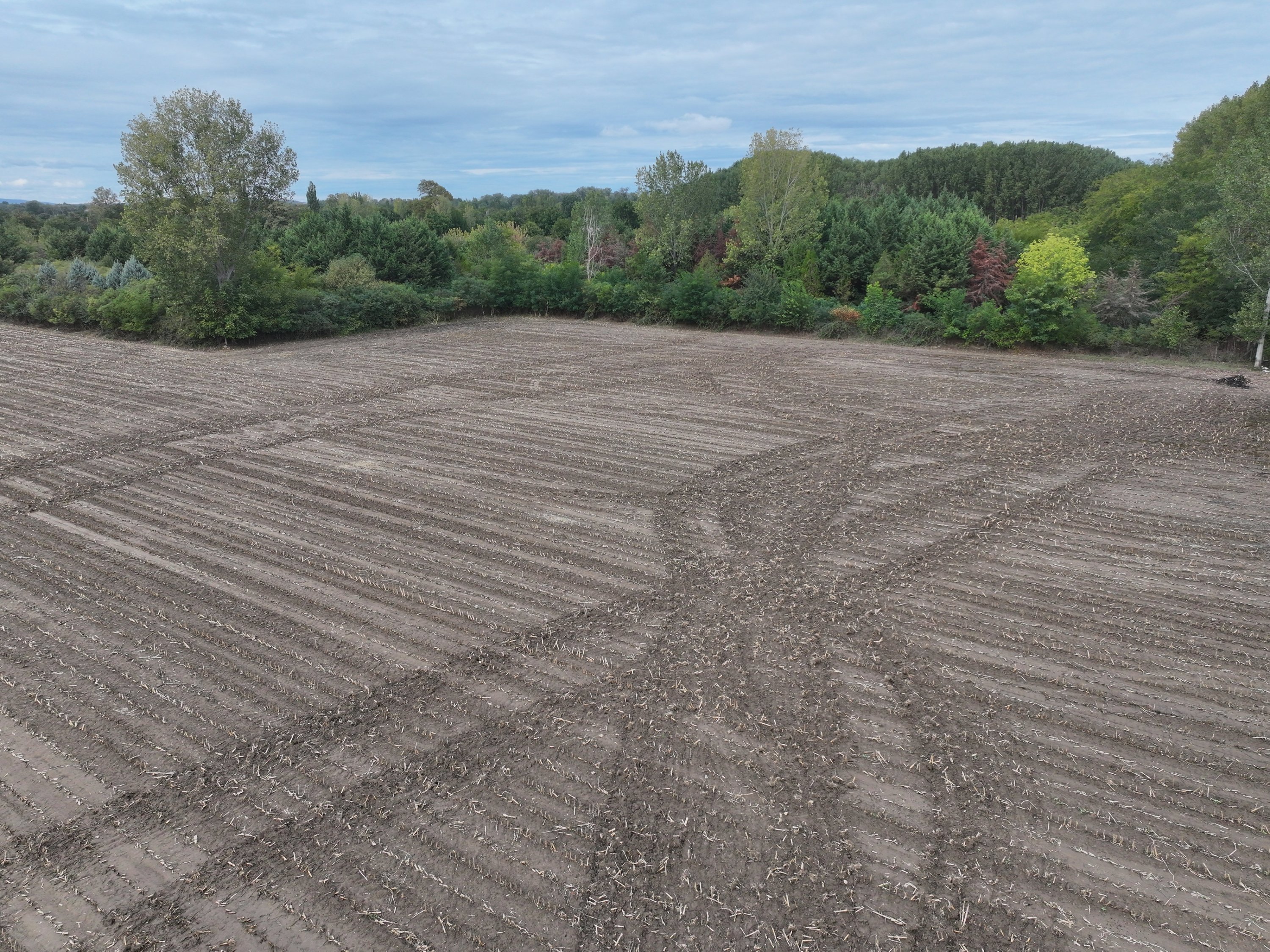
Educating farmers and providing practical training is the most crucial solution to drought, according to Ayşegül Selışık, deputy representative of the Food and Agriculture Organization (FAO) of the U.N. in Türkiye.
Selışık highlighted that climate change is affecting all sectors, with water scarcity in agriculture being one of the most urgent challenges. “75% of water resources are used in agriculture. Therefore, the greatest water savings must occur in this sector,” she said.
She emphasized the importance of modern irrigation techniques and digital solutions that tailor water to plants based on their growth stage and specific water needs. Unpredictable weather events, such as floods and agricultural frosts, are altering production conditions and directly impacting food supply.
Small farmers are among the most affected groups, facing about a 5% drop in income compared with larger farm owners. Women and young people in rural areas are also disproportionately impacted, with many young people moving to cities as agricultural livelihoods become more challenging.
Selışık emphasized that the FAO’s Farmer Field School Platform provides hands-on training to help producers apply effective agricultural practices. Planting drought-resistant crops and selecting varieties suitable for local geography and climate can increase yields even in water-scarce conditions.
“The most important solution to drought is knowledge,” Selışık said. “When farmers receive practical guidance and accurate information, they can make informed decisions independently. By integrating support packages, choosing suitable crops and delivering knowledge effectively, we can offer a sustainable solution.”