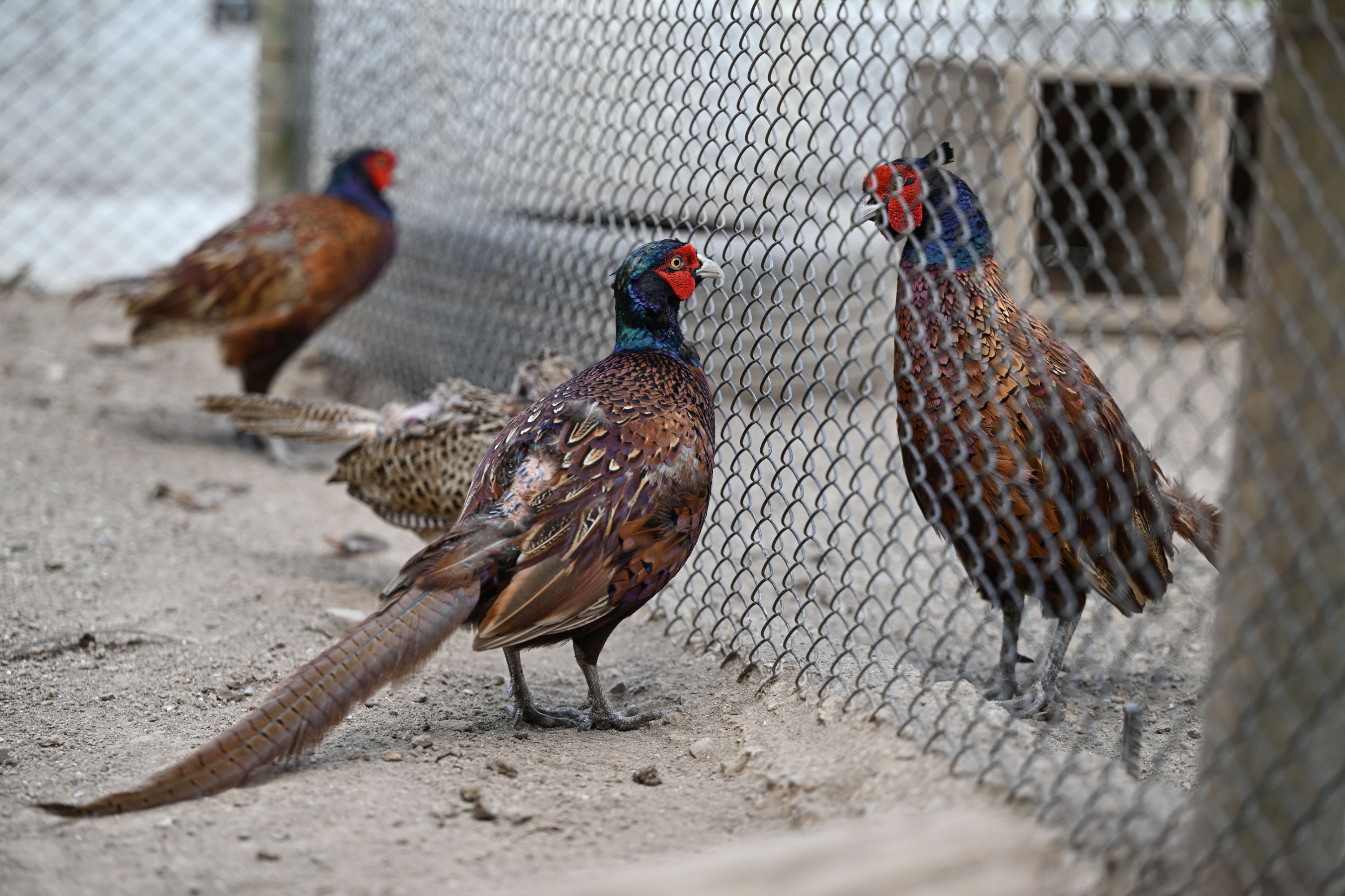
Pheasants bred at Istanbul's Polonezköy Pheasant Breeding Station are being released across Türkiye after several months of development to help naturally control harmful pests, including ticks and brown marmorated stink bugs, while supporting biodiversity and wildlife conservation.
The Polonezköy Pheasant Breeding Station, operated by the Istanbul 1st Regional Directorate of the General Directorate of Nature Conservation and National Parks (DKMP) under the Agriculture and Forestry Ministry, has been breeding and reintroducing the declining Caucasian pheasant into the wild since 2007.
The annual breeding season begins each spring and gains momentum in April, when eggs are collected and placed in incubators. The eggs are kept in specially designed machines where temperature and humidity are carefully monitored until the chicks hatch.
After hatching, the chicks are raised in temperature-controlled facilities before being transferred to larger enclosures, where they develop stronger leg muscles and gradually adapt to conditions similar to those they will encounter in the wild.
Once they complete approximately two and a half months of development, the pheasants are released from late July into suitable habitats across different provinces of Türkiye. To improve the birds' chances of surviving and reproducing naturally, hunting is prohibited in release areas for three years.
In addition to helping restore native wildlife populations, pheasants play an important ecological role by feeding on harmful insects. They help naturally reduce populations of brown marmorated stink bugs, an invasive pest that has caused significant damage to crops, particularly hazelnut orchards in the Black Sea region. They also prey on ticks, helping lower populations of the parasites that pose health risks during the summer months.
The Polonezköy station produced 4,700 pheasant chicks this year, while another 1,500 eggs remain in incubation before the breeding season concludes.
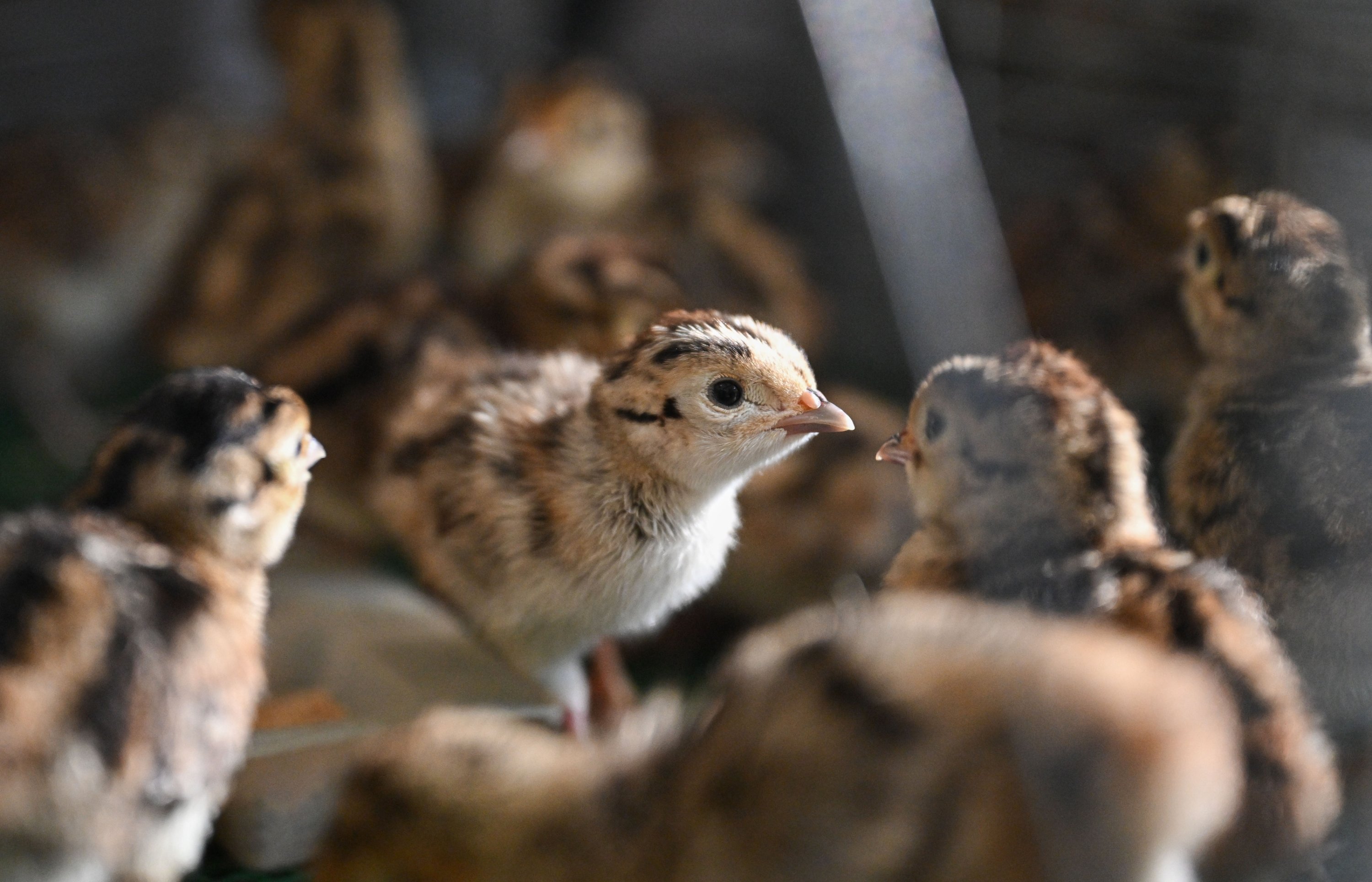
Since the facility opened in 2007, it has bred 134,784 pheasants, with 116,696 released into natural habitats across Türkiye.
Fahrettin Ulu, head of DKMP's Istanbul 1st Regional Directorate, said the station's primary objective is to protect biodiversity and strengthen wildlife populations by increasing the number of native Caucasian pheasants.
He noted that Türkiye also operates pheasant breeding stations in Samsun and Gümüşhane, while partridge breeding stations are located in Afyonkarahisar, Kahramanmaraş, Malatya, Yozgat and Gaziantep, forming part of a nationwide wildlife conservation network.
Describing pheasants as "guardians of nature," Ulu said the birds have become one of the country's most effective natural tools for controlling agricultural pests.
"Especially in the Black Sea region's hazelnut-growing areas, pheasants play an important role in combating the brown marmorated stink bug. They are also among the most effective natural weapons against tick populations that threaten public health during the summer," he said.
Ulu added that because pheasants prey on these insects naturally, they help reduce the need for chemical pesticides while also limiting environmental pollution caused by agricultural chemicals.
According to Agriculture and Forestry Minister Ibrahim Yumaklı, Türkiye plans to release 51,000 game birds into the wild this year under its 2026 wildlife program, including 39,250 partridges and 11,750 pheasants.
Ulu said great care is taken throughout every stage of the breeding process to ensure healthy birds are released into the wild.
The process begins with egg laying before the chicks are raised in breeding cages. They are later moved to enclosures where they strengthen their muscles and spend time in sand-covered areas to better adapt to natural ground conditions before being transferred to larger aviaries.
"Our goal is not only to release pheasants into nature but also to ensure they reproduce naturally," Ulu said.
He explained that areas where pheasants are released remain closed to hunting for three years, while additional measures are taken to protect the birds from predators and improve their chances of survival.
"We truly see pheasants as guardians of nature. They perform a very important role in maintaining ecological balance," he said.
As part of the 2026 release program, pheasants will be introduced into natural habitats in provinces including Sinop, Sakarya, Yalova, Bursa and Istanbul.
Ulu said Türkiye has so far released 1 million game birds into the wild, including 750,000 partridges and 250,000 pheasants, many of which are now living and reproducing naturally in different parts of the country.
To promote awareness of biodiversity and wildlife conservation, some of this year's releases will take place during public events involving children.
"Imagine a child releasing a pheasant into nature with their own hands. It is something they may remember for the rest of their lives," Ulu said.
He added that the Wildlife Promotion Center also organizes educational programs for children and young people to encourage greater appreciation of wildlife and the importance of protecting biodiversity.