The increasing population of houseflies in Izmir, western Türkiye, is being attributed to rising temperatures and ongoing waste management challenges, according to Specialist Dr. Yüce Ayhan, President of the Izmir Medical Chamber. He highlighted that climate change plays a significant role in the proliferation of these vectors by creating favorable conditions for their survival and reproduction beyond typical seasonal patterns.
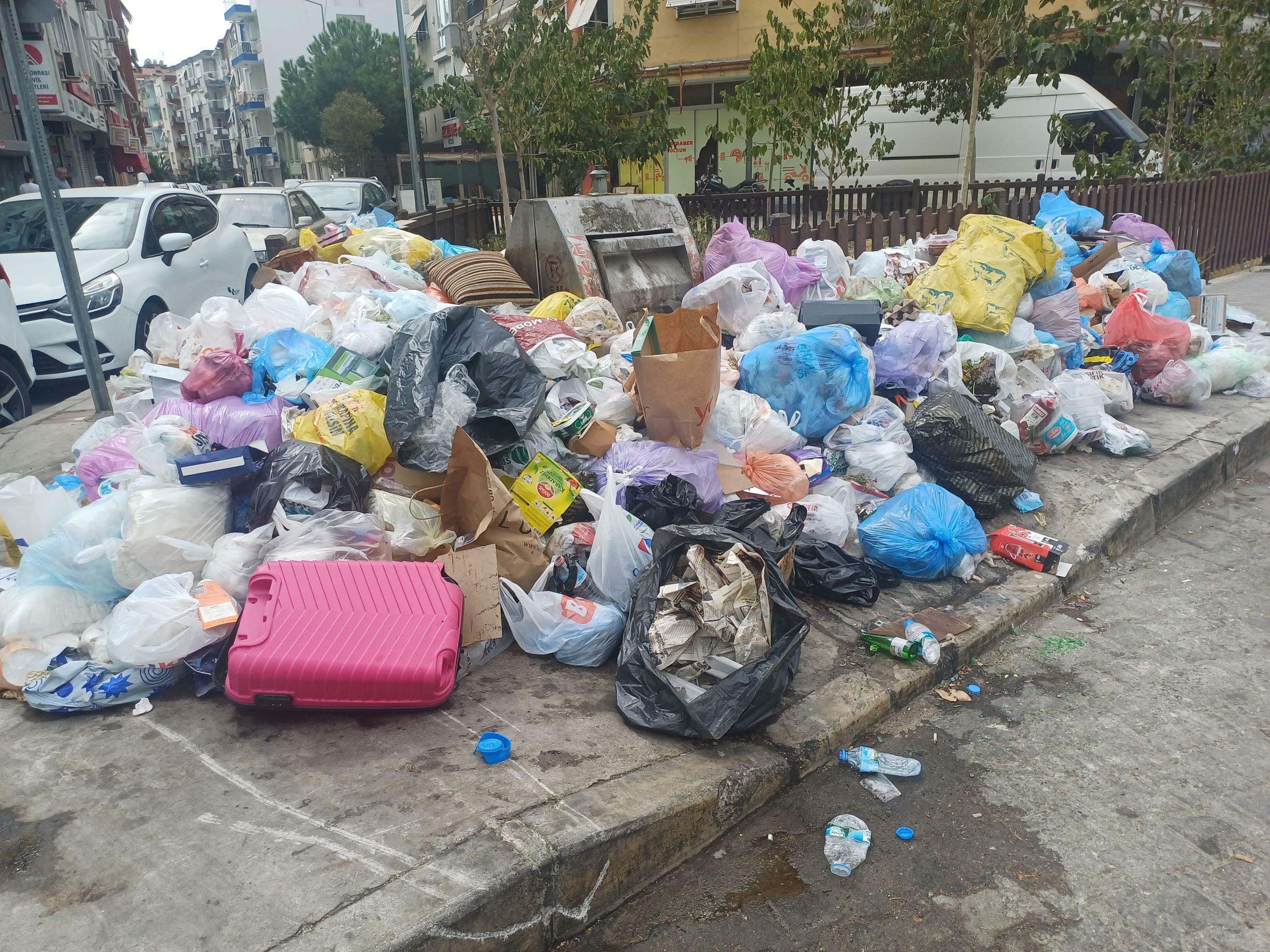
Despite reaching mid-November, temperatures in Izmir remain above seasonal averages, allowing houseflies to survive in periods when they would normally diminish. Ayhan emphasized that accumulated garbage in the city exacerbates the problem by providing ample breeding grounds for the insects. “As long as they find suitable environments to reproduce, their numbers increase. When temperatures drop and breeding conditions disappear, larvae cannot develop and die off,” he explained.
Beyond the climate and garbage issues, Ayhan pointed out additional risks arising from overflowing waste, leakage from garbage fluids, and animal feces in residential areas. He described houseflies as “mechanical vectors” capable of transmitting harmful microorganisms from contaminated sources directly to food within homes, posing a significant public health risk.
To combat the growing issue, Ayhan called for immediate action at the household level, emphasizing the importance of disposing food waste in leak-proof bags and promoting waste separation with a recycling focus. He also stressed the necessity of municipal support, including the provision of adequate recycling containers.
Although pesticide spraying is regularly conducted to control housefly populations, Ayhan noted that such measures are insufficient without addressing the root causes. “Spraying reduces the population temporarily, but if the source of breeding is not eliminated, flies will continue to multiply,” he warned.
In the past, the city has experienced significant challenges with waste management and municipal services that have adversely affected public sanitation and contributed to increased pest populations. Financial difficulties within the municipality led to strikes by garbage collection workers in several districts, resulting in the accumulation of uncollected trash and worsening hygiene conditions.
Additionally, the main opposition Republican People’s Party (CHP)-led municipality faced substantial fines for inadequate wastewater treatment and improper disposal practices, including illegal dumping and pollution of coastal waters, which further compromised environmental and public health. These ongoing issues with waste collection, recycling infrastructure, and sanitation management under the CHP administration have created favorable conditions for the proliferation of vectors such as houseflies.
The combination of accumulated waste, untreated wastewater, and delayed municipal action underscores the urgent need for improved waste management, stronger financial oversight, and coordinated public health and climate adaptation strategies in Izmir.