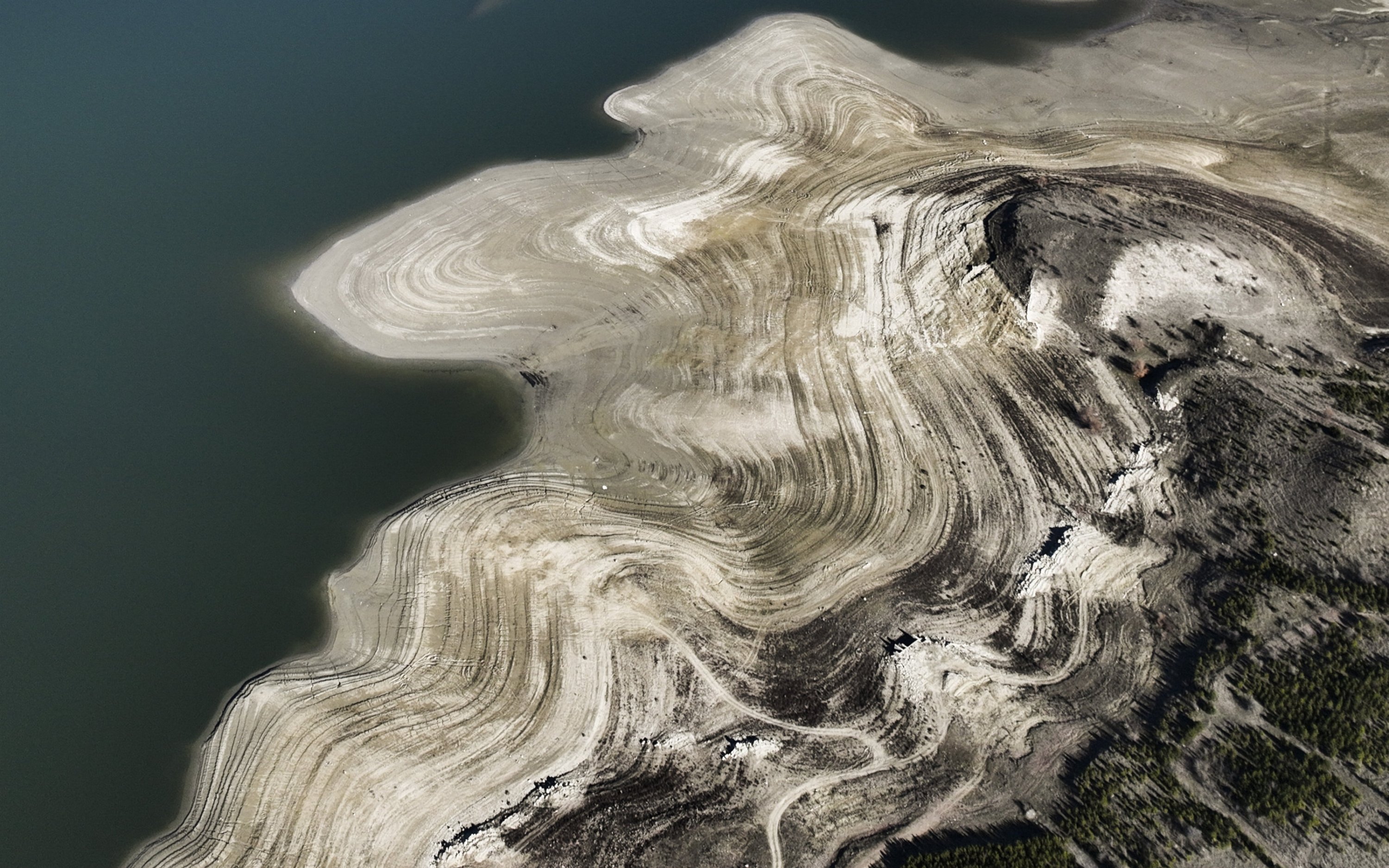
Ankara’s water crisis is worsening, with frequent outages and poor water quality disrupting daily life across the capital. Infrastructure failures and falling network pressure have left many districts without regular access to water, prompting mounting public anger and calls for a permanent solution.
The Ankara Water and Sewerage Administration (ASKI) announced that two districts would face a 12-hour water cut on Wednesday, adding to ongoing disruptions in several parts of the city.
President Recep Tayyip Erdoğan criticized the situation during his party’s parliamentary group meeting on Wednesday, accusing local authorities of incompetence. “We will not leave this nation at the mercy of those who made countless promises during the election season but have been unable to provide even water to the capital for weeks,” he said.
In the Elmadağ district, residents say water is cut at regular intervals and, when restored hours or even days later, flows muddy and discolored. Locals reported clogged household filters and cases of diarrhea after drinking the water, raising concerns about public health, particularly for children and the elderly.
Residents said they have repeatedly reported the problem to Ankara Metropolitan Municipality (ABB) and Elmadağ Municipality, but no lasting solution has been found.
Osman Süsener, who lives in Elmadağ, said the area has been struggling with water shortages for about a week. “It goes off at night and comes back in the morning, sometimes the other way around,” he said. “When it comes, it’s very muddy. Our children get diarrhea from drinking it. We’ve ended up in the hospital.”
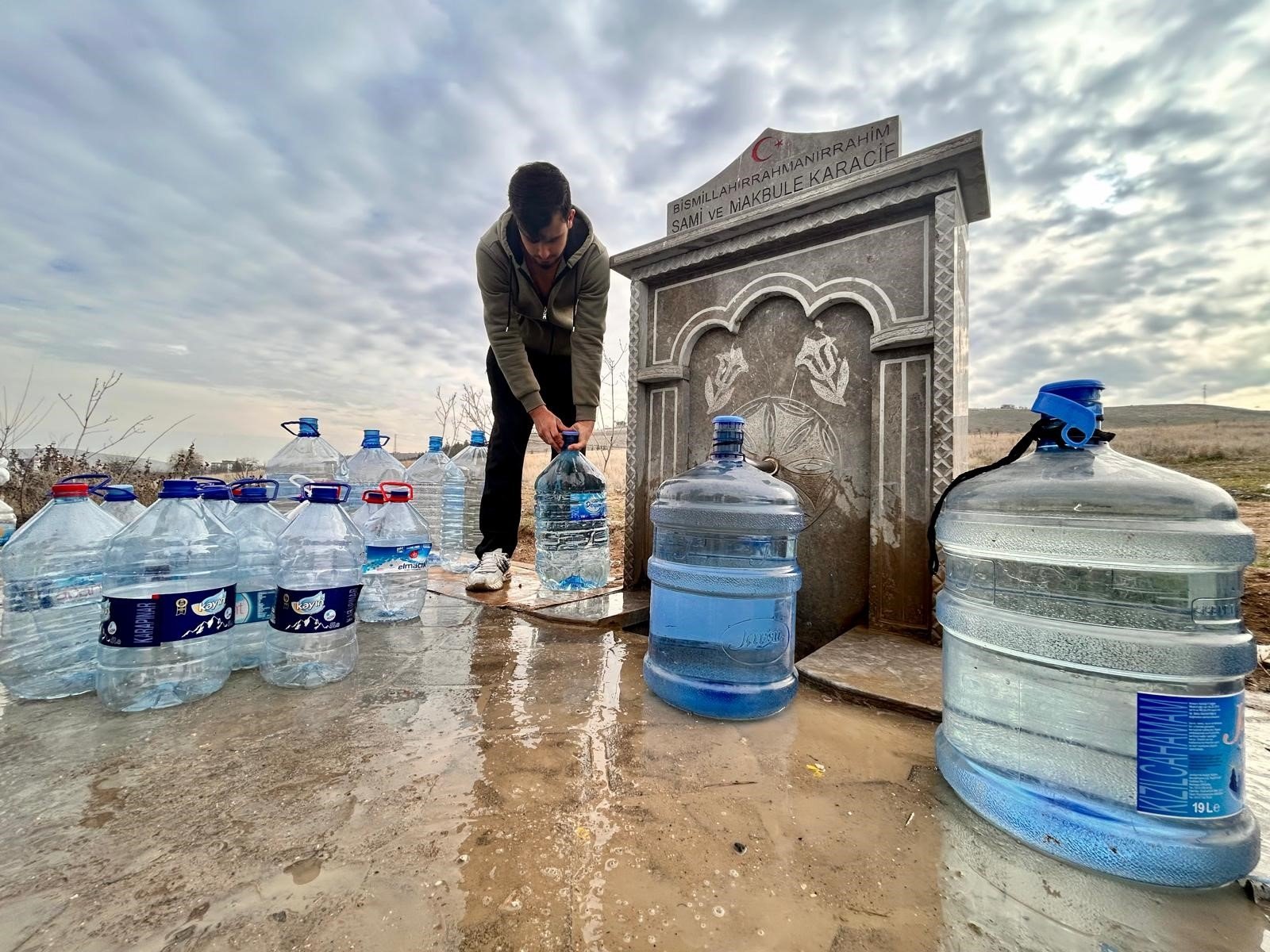
Süsener said families are forced to collect water from mountain springs several kilometers away. “Those with cars go to the mountains to fill containers. Those without cars have to walk. The nearest water source is four or five kilometers away,” he said. “This can’t continue. There are children, there is illness. We expect an urgent solution.”
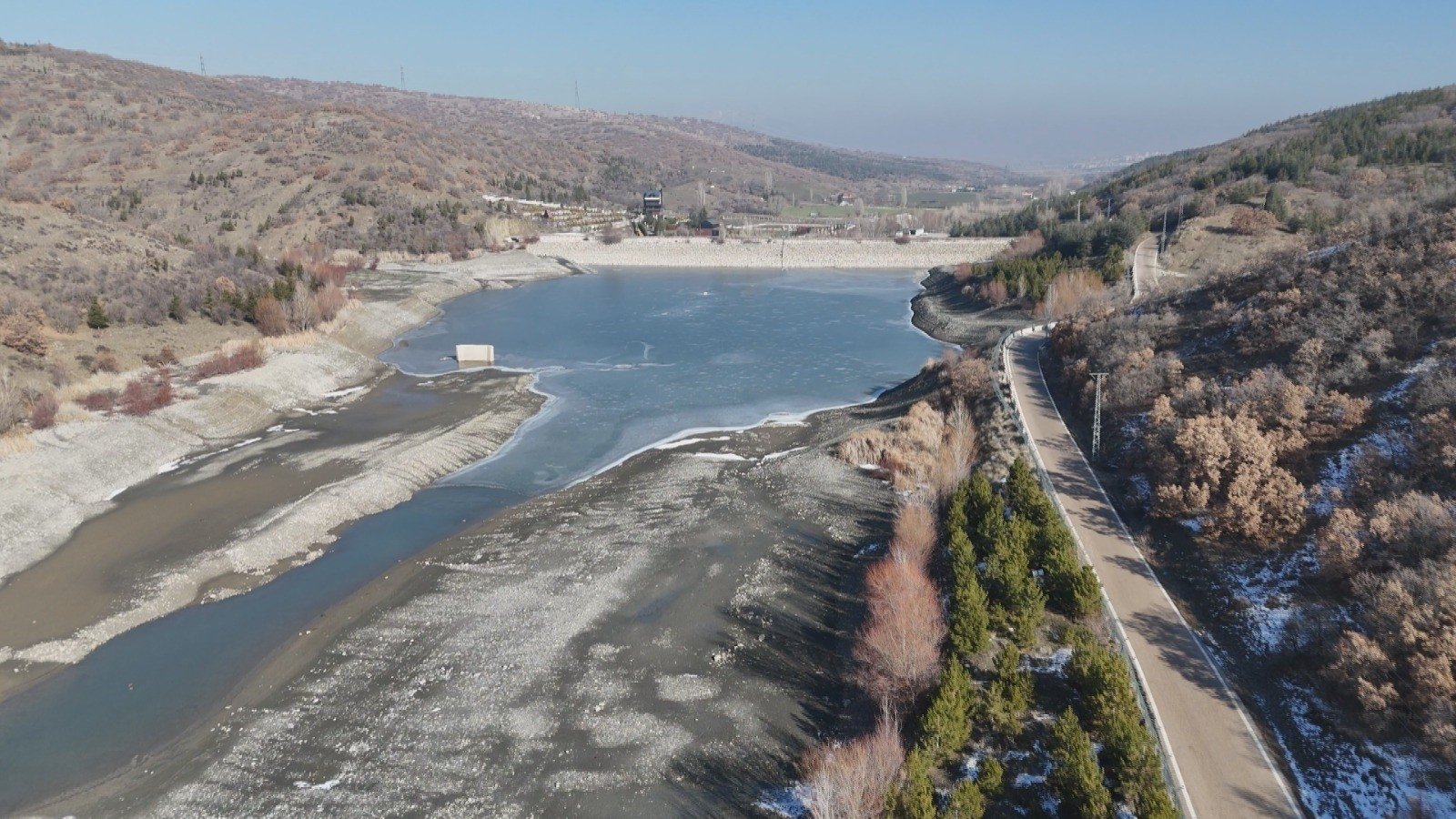
Meanwhile, the Kargalı Dam, which supplies water to the district, is reported to be close to drying up, with visibly murky water.
A.A., a resident of Bahçelievler who spoke to the journalists from the Turkish daily Hürriyet's website, said water is cut every other day in the neighborhood. “It usually goes off in the evening and comes back at night,” A.A. said. “We used to get SMS notifications, now we follow announcements on social media. No one answers when we call the hotline. We’re fed up.”
A university lecturer, A.A. said the lack of water forces them to wait until late at night to shower or use gym facilities instead. “We keep bottled water at home for cleaning and daily needs,” they said.
In Sincan, 61-year-old E.M. said uncertainty over outages has turned daily life into a constant state of preparation. “The kitchen is full of bottles,” E.M. said. “I stay up at night waiting to fill them. We’re a family of five and still struggle. We buy drinking water, but cleaning and toilet use are a big problem.”
ASKI General Manager Memduh Aslan Akçay said snowfall has not led to an increase in water supply from the Gerede system or the Çamlıdere Basin, urging residents to conserve water.
In a statement released by ABB, Akçay said rainfall has remained below seasonal averages. “There is currently no increase in the water we receive from Gerede or the Çamlıdere Basin,” he said. “Snow has fallen, but because it has not melted, there has been no increase in inflow to the dams. For this reason, we are calling on our citizens to be much more careful about water conservation.”
Akçay said efforts to secure water supply are ongoing, including projects to draw groundwater from wells that could meet the needs of about 500,000 residents. Work is also continuing on new transmission lines and improvements to existing infrastructure from Kesikköprü, he said.
Noting the risk that drought conditions could persist, Akçay said planning is based on the possibility that drought levels seen in 2025 could continue into 2026. “We have an action plan in place for that scenario, and all our work is being carried out accordingly,” he said.
Akçay said multiple measures have been implemented to reduce water consumption and urged residents not to use tap water for filling swimming pools, watering gardens or fields, washing cars or carpets.
He stressed that access to sufficient water for basic human needs is a fundamental right and said ASKI and the municipality are working around the clock, year-round, to ensure it.
The water crisis has also taken on political dimensions. Ankara is governed by the main opposition Republican People’s Party (CHP) and Erdoğan and senior government officials have repeatedly criticized opposition-run municipalities over infrastructure management and the delivery of basic public services.
Government figures argue that years of underinvestment have left major cities vulnerable to shortages, while opposition officials say climate change, prolonged drought and population growth are straining water resources nationwide.
Similar debates have emerged in Istanbul, Türkiye’s largest city and also governed by the CHP, where experts warn that declining dam levels and below-average rainfall are increasing pressure on the city’s water supply.
Climate scientists and water management specialists say the risk of prolonged shortages is growing as extreme weather events become more frequent, highlighting the need for long-term planning, conservation measures and infrastructure investment beyond short-term emergency responses.